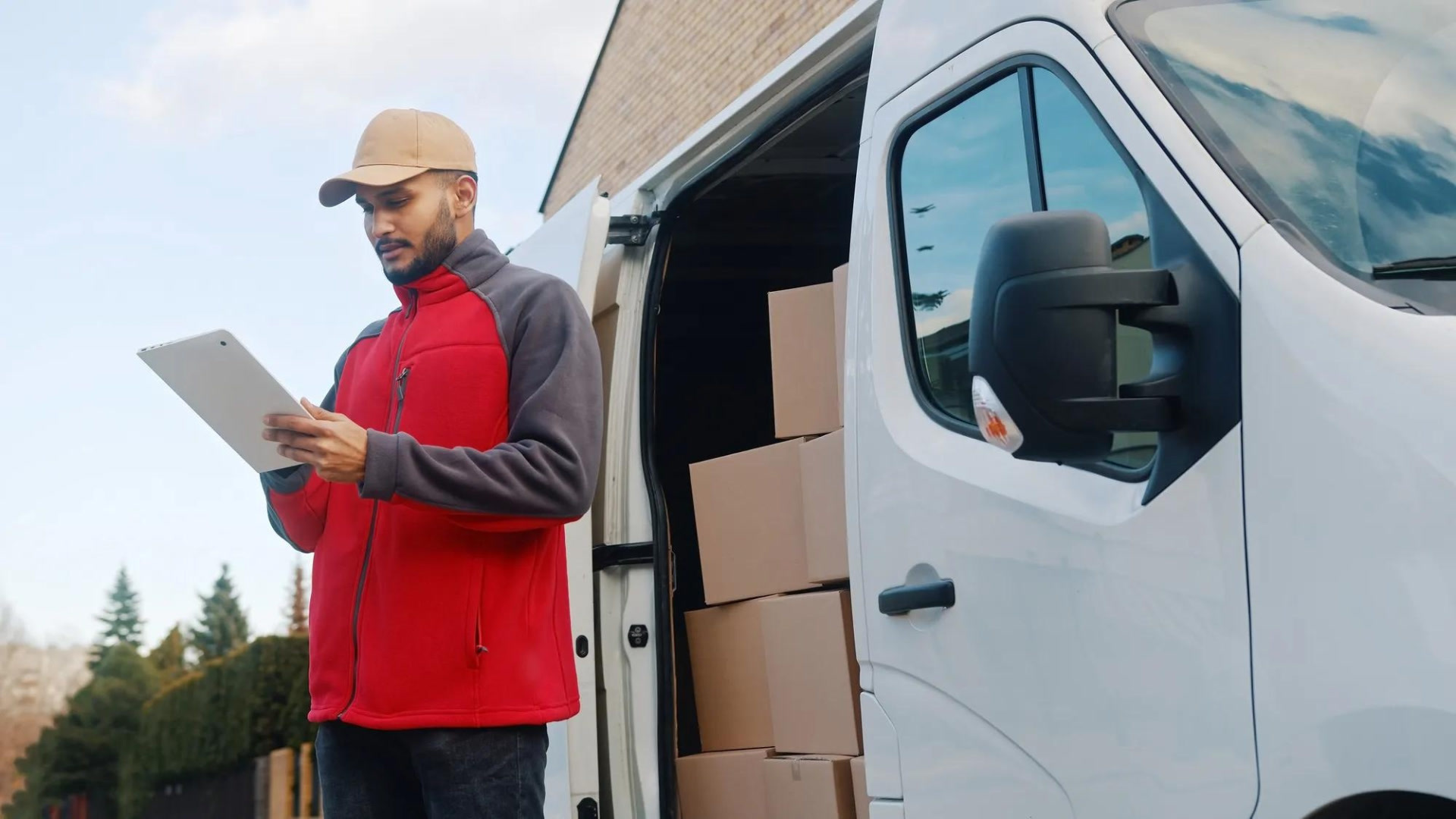
Complete guide: how to reduce your fleet operational costs
Through implementing route optimisation and telematics-driven strategies, fleet businesses can significantly reduce their overall operational costs by improving fuel efficiency, proactive maintenance, and productivity.

By Geotab Team
Mar 6, 2026

Key Insights
Fuel and mileage are your biggest levers for savings
Fuel is one of the largest fleet costs, so even small improvements make a big impact. Smarter route optimisation, reduced idling, and better driving behaviour can quickly cut fuel spend while improving delivery consistency.
Proactive maintenance prevents expensive downtime
Unexpected breakdowns are one of the most disruptive and costly events for fleets. Preventive servicing, telematics health alerts, and mileage-aware maintenance scheduling help extend vehicle life and reduce sudden repair bills.
Better planning boosts productivity without adding vehicles
Many businesses don’t need more drivers or vans. They need more efficient routes. AI-powered optimisers help increase delivery capacity per day, reduce failed stops, and keep customers updated with accurate ETAs, all while lowering overall operating costs.
Reducing fleet operational costs has become a top priority for businesses as fuel prices rise, regulations tighten, and customers expect faster, more reliable deliveries. The good news? Most of the savings opportunities are completely within your control, from improving routes to managing vehicle wear to increasing daily productivity. With the right tools, data, and optimisation strategies, fleets can reduce waste, control expenses, and operate more efficiently than ever.
Running a fleet isn’t easy today. Fuel prices rise overnight, cities keep adding new regulations, and customer expectations have never been higher. If you're like most companies, you’re trying to keep your fleet reliable, your customers happy, and your costs under control, all, at the same time.
Thankfully, there are a few key areas where you can make big improvements quickly. Let’s walk through each cost in a clear way so you know exactly where savings come from and how to achieve them.
1. Fuel consumption: the cost that hits you first
Fuel is the operational cost every fleet feels immediately. And with European fuel taxes and urban congestion, this becomes the biggest challenge for businesses
A friendly explanation of why fuel costs so much
When drivers spend time stuck in traffic, idle at customer locations, or take inefficient routes, your fuel budget takes the hit — not theirs. Even small inefficiencies multiply fast when you have multiple vehicles on the road every day. That’s why “fuel is often up to 30% of the total operational costs for fleets”.
What you can do and why it works:
- Optimise routes to avoid unnecessary driving
Think of route optimisation as giving your fleet a smarter GPS. It sends drivers on shorter, less congested, more logical routes — saving fuel automatically. - Cut down idling
Idling burns fuel for no reason. One hour of idling = litres lost depending on vehicle size. - Encourage smoother driving
Harsh acceleration and speeding can raise fuel use by 40% so coaching drivers gently on better habits saves money every day. - Right-size your vehicle to your jobs
Using a big van for a small job burns unnecessary fuel. Matching vehicle type to route size is an easy, quick win.
This is one area where small improvements positively impact your bottom line.
2. Vehicle maintenance and wear: the cost that sneaks up on you
Maintenance is an operational cost that isn’t always loud or dramatic. It’s usually the quiet cost that creeps in month after month.
Why maintenance gets expensive for businesses
Every unnecessary mile adds wear to your vehicles. Bad routes, heavy loads, or rough driving all increase the stress on engines, brakes, and tyres. And when SMBs run vehicles until something breaks, repairs become far more expensive.
How you can keep maintenance under control
- Use preventive maintenance instead of waiting for breakdowns
It’s always cheaper to replace something before it fails than to pay for roadside recovery. - Reduce miles driven
Route optimisation lowers wear because fewer miles = fewer repairs. It’s that simple. - Monitor engine health with telematics
Modern systems can detect problems early — misfires, overheating, low battery voltage — giving you time to take action before the bill gets huge. - Help drivers adopt good habits
Gentle braking, smooth cornering, and proper tyre pressure go a long way in extending vehicle life.
Good maintenance isn’t expensive, bad maintenance is.
3. Labour and time costs: the operational cost you can’t ignore
Labour is often the biggest fixed operational cost for businesses. And when time is wasted, costs rise fast.
Why labour inefficiencies cost you more than you think
If drivers spend hours in traffic, deal with poorly planned routes, or take longer shifts due to scheduling errors, your labour budget balloons. Manual planning alone can take fleet managers hours every day.
Simple ways to reduce labour waste
- Automate route planning
Many businesses spend 2–4 hours a day planning routes manually. Automation cuts this to minutes. - Increase stops per route
If each driver can handle 2–3 more jobs per day, productivity can improve considerably, without adding staff. - Reduce failed deliveries
Missed deliveries double your labour and fuel costs. Better ETAs and accurate routing fix this quickly. - Lower overtime with more efficient schedules
Smart routing avoids long detours and unnecessary delays that push drivers into overtime.
When your routes are smarter, your team becomes more productive and less stressed.
4. Customer service failures: the hidden operational cost most businesses overlook
Every missed delivery, every frustrated customer, and every "Where’s my order?" call cost money. Each failed delivery increases operational costs and results in customer dissatisfaction.
Why customer issues become expensive
A single failed delivery means:
- more fuel
- more labour
- more admin work
- more unhappy customers
And unhappy customers may never come back, hurting long-term revenue.
How to stop customer service issues before they start
- Improve ETA accuracy
When customers know exactly when to expect you, your first-attempt delivery rate increases. - Provide real-time tracking
This reduces phone calls and improves trust. - Use route optimisation to stay on time
Consistent punctuality is one of the strongest ways to retain customers.
Improving customer experience isn’t just good service, it’s operational cost reduction.
5. Insurance costs: the operational costs that you can actually influence
Insurance may feel fixed, but it doesn’t have to be. More and more insurers reward safe, data-driven fleets. According to research, “driving behaviour is 96% more predictive of risk than claims history. Therefore, by combining driver behaviour data with claims history, we can more accurately predict clients’ actual risk profiles and charge more appropriate premiums. This means that the better clients drive, the lower their long-term premium”.
Why insurers give discounts
Telematics data shows:
- Safer driving
- Fewer claims
- Reduced risk
- Faster claim resolution
This makes insurers more confident and more willing to reduce premiums.
How to lower your insurance costs
- Use driver scoring
Safer fleets get better pricing. - Install telematics and dashcams
Clear evidence resolves disputes quickly, often in your favour. - Reduce claims with better routing
Fewer accidents = lower premiums.
Insurance is one of the easiest operational cost areas to improve when your fleet is data-driven.
6. Route optimisation: The most important cost-saving tool you can adopt
If there’s one technology businesses continuously see the most value from, it’s route optimisation for reasons like safety but also for the potential of reducing fuel consumption and tear and wear of fleet vehicles.
Why route optimisation is a “force multiplier”
It simultaneously reduces:
- Fuel usage
- Miles driven
- Vehicle wear
- Labour hours
- Customer complaints
- Failed deliveries
- Compliance risk
All from one tool.
Why businesses love it
It gives them the efficiency of a big enterprise fleet — without needing enterprise-level resources. If you want one investment that can help you control fleet costs everywhere at once, this is it.
See how our fleet management technology can help you reduce your fleet operational costs and boost your profitability with ease.
The Geotab Team write about company news.
Table of contents
- 1. Fuel consumption: the cost that hits you first
- 2. Vehicle maintenance and wear: the cost that sneaks up on you
- 3. Labour and time costs: the operational cost you can’t ignore
- 4. Customer service failures: the hidden operational cost most businesses overlook
- 5. Insurance costs: the operational costs that you can actually influence
- 6. Route optimisation: The most important cost-saving tool you can adopt
Related posts
.jpg)
AI dash cams vs. traditional: which delivers better fleet safety?
March 10, 2026
4 minute read
.jpg)
How dash cams protect your drivers and your business: a practical guide
March 4, 2026
5 minute read
.jpg)
6 proven ways to reduce fleet costs and boost efficiency with GPS tracking
February 13, 2026
3 minute read
How route optimisation helps cut costs, boost efficiency and deliver more effectively
February 11, 2026
4 minute read