Fleet Insurance: How SMB fleets can stay insurable in a high-cost market
A new Geotab report indicates that 58% of small fleets face rising insurance premiums. The toolkit outlines data-driven measures to secure better coverage.
June 17, 2026
•3 minute read
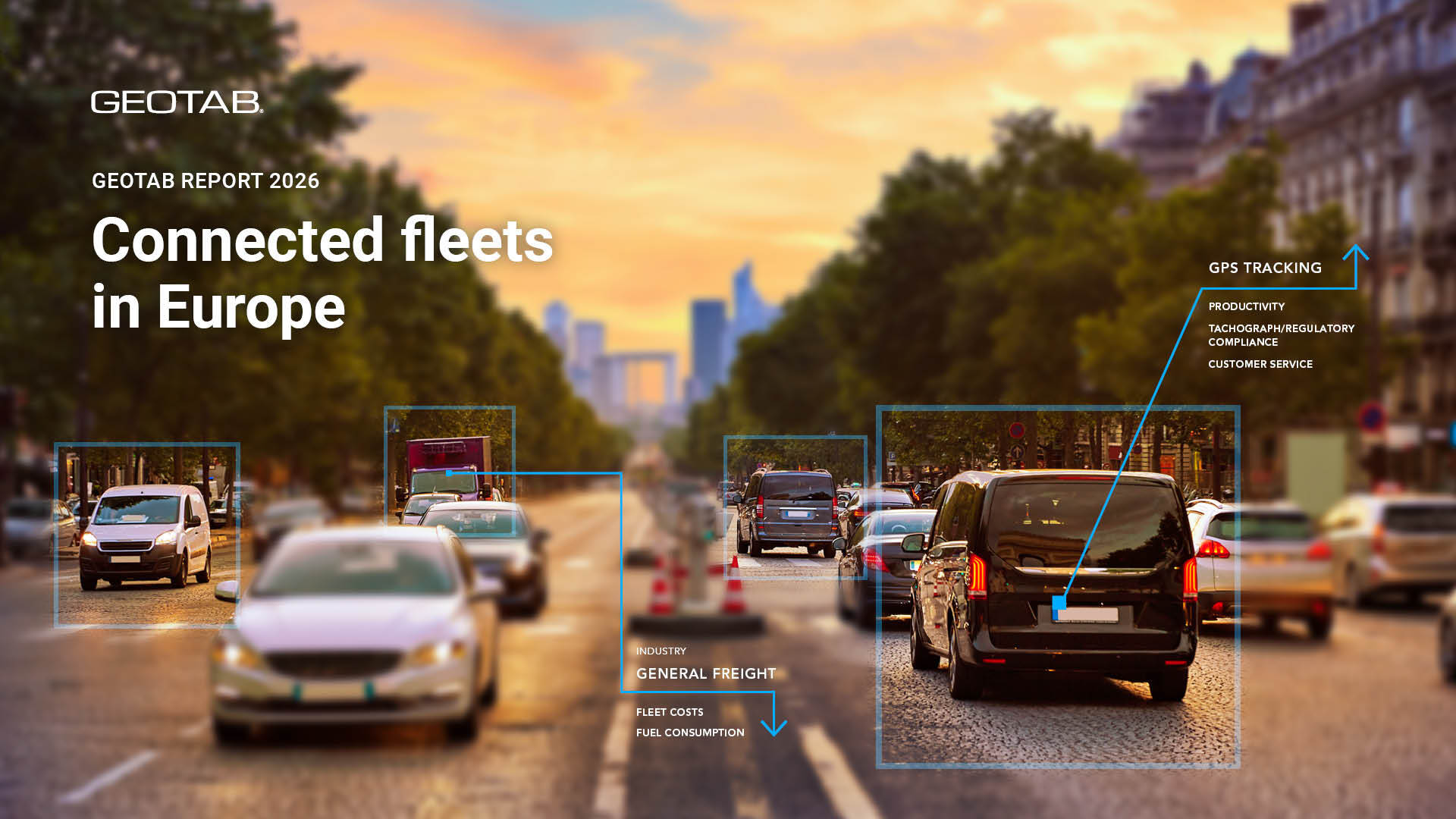
For small and medium-sized fleets across Europe, rising operating costs are an everyday reality. While fuel prices fluctuate, commercial fleet insurance has become a compounding, unavoidable pressure. In fact, according to a new Geotab Report* for small and medium-sized fleets, 58% of small fleets cite insurance premiums as one of their primary operational pressures.
As insurers face increased repair costs and higher claim frequencies, they are passing those costs directly onto operators. For many fleets, simply staying insurable in this high-cost market is becoming a strategic challenge. But the solution isn't found in reducing coverage, it lies in actively reducing risk and proving it with hard data.
By leveraging connected fleet technology and video telematics, businesses can protect their margins, exonerate their drivers, and fundamentally change their conversations with insurance providers.
Here is how data-driven fleets are surviving the insurance squeeze.
1. Eliminate the cost of false claims with visual context
One of the most frustrating drivers of high insurance costs is the "he-said, she-said" scenario of a collision. Without objective evidence, commercial fleets are often assumed to be at fault, leading to costly payouts and spiked premiums.
Integrating video telematics fundamentally shifts this dynamic. According to the survey, fleets that use in-cab video have seen a 68% reduction in false claims. By providing undeniable visual context paired with vehicle telemetry (speed, braking, steering), operators can quickly exonerate innocent drivers, expedite the claims process, and prevent unnecessary payouts from impacting their risk profile.
2. Move from reactive to predictive safety
Insurers price their premiums based on risk. The best way to lower your insurance costs is to stop incidents before they happen. Telematics systems record precise behavioral data, such as harsh braking, rapid acceleration, and speeding.
When paired with AI-powered cameras, fleet managers can detect driver fatigue and distraction in real-time, delivering proactive in-cab coaching that corrects behaviors before they lead to an accident. The results speak for themselves: surveyed fleets employing these predictive safety measures reported a 73% improvement in overall driver safety and a 63% reduction in safety incident costs.
3. Turn your safety record into a negotiating tool
When it comes time to renew your policy, insurers want to see evidence of a well-managed, low-risk fleet. Historically, small fleets have had to rely on a lack of claims as their only proof of safety.
Today, telematics allows operators to bring a verified, objective safety scorecard to the negotiating table. By demonstrating a proactive commitment to safety, continuous driver training, and the use of integrated risk-management platforms, fleets have serious leverage. The research shows that this data-backed approach works: businesses utilizing advanced video telematics reported up to a 45% reduction in their insurance costs.
The Adoption Gap: A Missed Opportunity
Despite these massive financial and operational benefits, a significant adoption gap remains. While 61% of surveyed enterprise fleets utilize in-cab video, only 47% of small fleets do the same. This means that the very tools proven to address false claims and sky-high insurance costs are still vastly underutilized by the businesses that need them the most.
Five steps to stay insurable
To navigate the high-cost insurance market, fleet operators should consider the following actions:
- Invest in visual intelligence: Deploy connected dashcams to eliminate ambiguity in accident claims and protect your drivers.
- Implement continuous coaching: Use telemetry and video data to identify risky behaviors and coach drivers proactively, rather than waiting for an incident to occur.
- Build a safety culture: Make safety a transparent, company-wide KPI using driver scorecards and gamification.
- Leverage your data at renewal: Don't wait for your insurance professional to set the price. Bring your telematics safety reports to the table to negotiate lower premiums based on proven risk reduction.
- Close the technology gap: Don't let enterprise fleets be the only ones benefiting from advanced telematics. Implement scalable solutions that protect your margins, regardless of your fleet size.
In a market where insurance costs threaten profitability, data is your strongest defense. By actively managing risk and leveraging connected technology, small fleets can not only survive the insurance squeeze but secure a lasting competitive advantage.
*About the Geotab SMB Fleet Survival Toolkit: Smaller fleets don't need more noise, they need clearer decisions. This article is the first in a six-part-series as part of the Geotab SMB Fleet Survival Toolkit, a field manual designed to help European small and medium-sized fleets manage rising costs and operational pressures. Based on data from the *Geotab Report 2026: Connect Fleets in Europe which surveyed over 1,800 fleet decision-makers, the toolkit delivers practical, data-backed guidance on insurance, safety, compliance, EV readiness, and ROI. To read the full Connected Fleets in Europe report, visit https://www.geotab.com/ie/resources/ebook/connected-fleets-2026/
Media Contact
pr@geotab.com
About Geotab
Geotab is a global leader in connected operations, video telematics and AI-powered insights. Trusted by more than 100,000 customers — from small and mid-size fleets to Fortune 500 enterprises and public-sector organisations, including the U.S. federal government, Geotab connects approximately 6 million vehicles and assets and processes 100 billion data points daily. With ISO/IEC 27001:2022, SOC2, FIPS 140-3 and FedRAMP authorisations, Geotab’s open platform and 700+ partner ecosystem unify safety, compliance and operations in a single system. Our mission: a safer, more efficient, and more sustainable world in motion. Learn more at www.geotab.com/ie and follow us on LinkedIn or visit our blog.
GEOTAB and GEOTAB MARKETPLACE are registered trademarks of Geotab Inc. in Canada, the United States and/or other countries.
Related News
.png)
Clearly Goes Live on the Geotab Marketplace Across Five Markets
October 5, 2026
2 minute read

Geotab launches Investigations and new safety capabilities to help fleets make every journey safer
September 14, 2026
3 minute read

Dublin trucks outperform passenger vehicles on urban road efficiency, Geotab data reveals
September 8, 2026
3 minute read

Europe's congestion is costing fleets millions in wasted fuel, new Geotab data reveals
July 14, 2026
3 minute read