Cork City Council Leads the Way In Electric Vehicle Adoption For Second Year in a Row But Majority of Local Authorities Still Remain Slow To Transition - Geotab Analysis
Cork City Council leads Irish local authorities in EV adoption by electrifying 25% of its fleet, but Geotab data reveals most councils lag behind.
July 17, 2025
•4 minute read
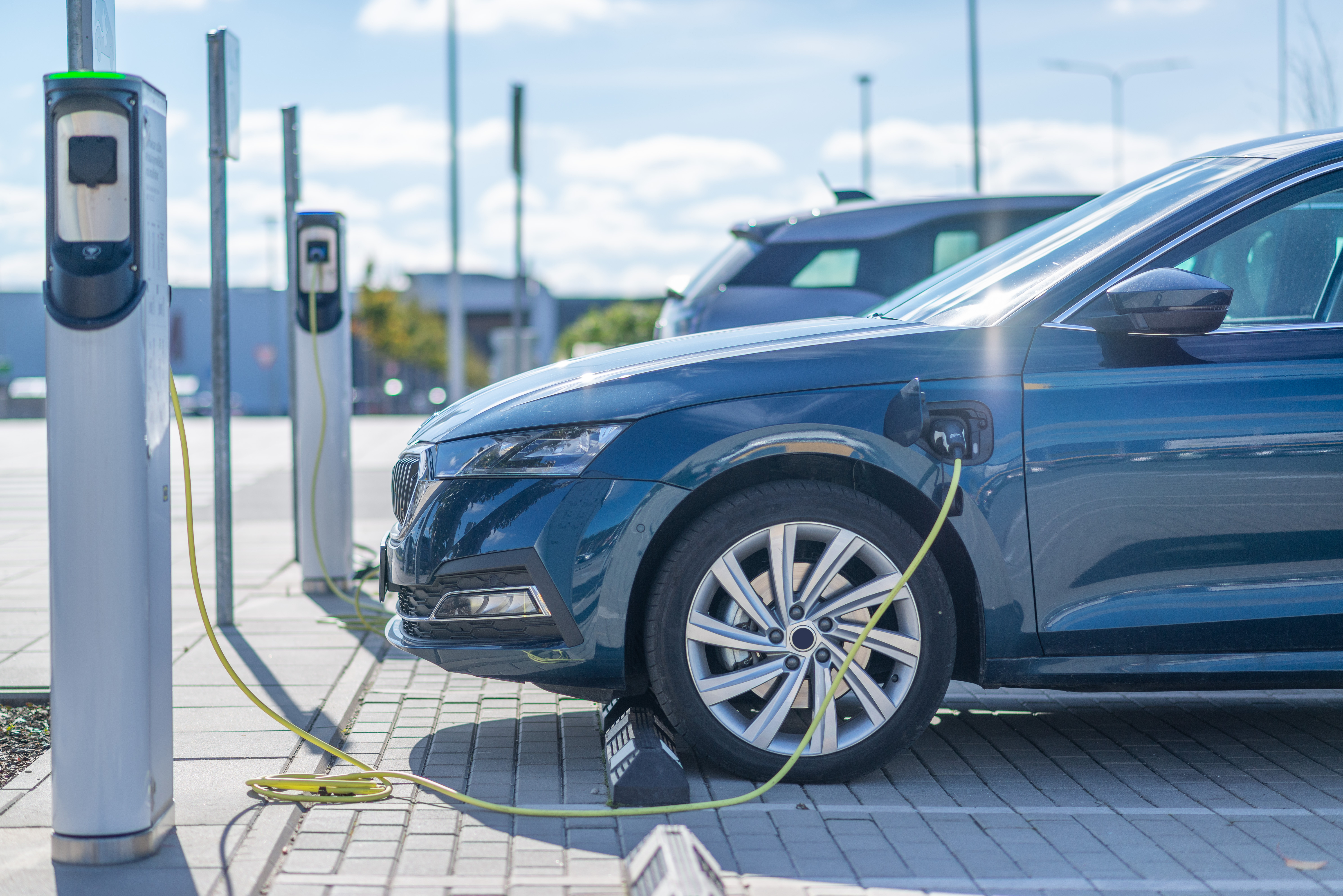
- One in four vehicles in Cork City Council’s fleet has been electrified
- Only six out of 31 local authorities in the country have electrified more than 8% of their fleets
- Study reveals significant usage of telematics which can help reduce carbon footprint by local authorities with 16 councils using the technology in at least 60% of their fleet
17 July, 2025 - Geotab, a global leader in connected transportation solutions, has today launched its third annual analysis into local authorities’ adoption rates of Electric Vehicles (EVs). This year’s research has revealed that Cork City Council has electrified more of its fleet (25%) compared to any of its peers across the country, with 80 of its 321-vehicle cohort being an EV.
However, the Geotab analysis also highlights that the majority of local authorities are making slow progress in the zero emissions transition, with only six out of the 31 organisations included in the analysis having electrified more than 8% of their fleets.
Following responses from all 31 local authorities, six stand out from the crowd in terms of their low emissions mobility strategy – Cork City Council, Fingal County Council (24% ; 86 EVs out of a fleet of 357 vehicles), Galway City Council (24% ; 20 EVs out of a fleet of 83 vehicles), Dún Laoghaire-Rathdown County Council (12% ; 33 EVs out of a fleet of 268 vehicles), Offaly County Council (9% ; 5 EVs out of a fleet of 56 vehicles) and Dublin City Council (8% ; 83 EVs out of a fleet of 1,035 vehicles). These figures show that while Cork City Council has electrified the highest proportion of its fleet, Fingal County Council is the council fleet with the most EVs in the country. According to the council, this is a result of adopting an EV-first procurement policy since 2018.
Despite the growing number of electric vehicles on Irish roads, there has been limited adoption by many local authorities, with 21 of the councils analysed having electrified 5% or less of their fleets. There are some positive signs of change, however, with a number of local authorities highlighting that orders for EVs had been placed or that an upgrade of their fleet was planned in the near future.
Geotab’s findings make for stark reading, as County and City Management Association analysis has shown that transport accounted for 21% of local authority energy use and 26% of all emissions in 2020, yet only 4% of the energy efficiency projects reported to date were in transport. This is despite the fact local authority fleet transport emissions need to get to net zero by the year 2050.
While cost is a key factor in slow levels of EV adoption, a separate Geotab study in 2024 - Taking Charge - On the road to the EV future - reviewed how EVs can transform fleets, using data insights from over 1.3M vehicles. According to the report, over a projected 7-year lifespan of a vehicle, the savings on switching from an internal combustion engine (ICE) vehicle to an EV could potentially save an average of €12,900 per vehicle.
While EV adoption by councils has been limited to date, there has been significant adoption of telematics by local authorities across Ireland. Telematics allows organisations to record data about their vehicles such as fuel consumption, with the potential to reduce their carbon footprint through more strategic use of their fleet based on the insights gleaned from the technology.
Donegal County Council, Longford County Council, Fingal County Council, Westmeath County Council, Cavan County Council, Roscommon County Council and Wexford County Council all recorded the highest level of usage of telematics with 100%, with their entire fleets using the technology. In contrast to the low adoption levels of EVs, 18 councils that shared details of their telematics usage had at least 60% of the fleet with devices embedded.
Commenting on the analysis, Oliver Holt, Geotab Sales Manager - Ireland & UK, said: “By electrifying one in four of its fleet vehicles, Cork has set the national benchmark for councils across the country and proven the viability of EV adoption at scale in the public sector. Fingal County Council is also to be commended for having more EVs in its fleet than any other council in Ireland.
Despite these highlights, the broader picture shows a pressing need for accelerated action. With just six out of 31 councils electrifying more than 8% of their fleets, and over two-thirds remaining below 5%, the pace of progress is not aligned with national emissions reduction targets. Given the scale of fleets operated by county and city councils across Ireland, they have a critical role to play in decarbonising public sector transport infrastructure.
While there is still more progress to be made in terms of EV adoption, it is really positive to see the widespread usage of telematics across local authorities in Ireland. This is the crucial tool for councils to reduce their carbon footprint as it enables fleet owners to reduce fuel consumption by making strategic decisions like more efficient route planning and eliminating bad practices like idling. By combining the insights from telematics with a commitment to electrification, councils can significantly cut their carbon footprint and operating costs,"
###
Notes to Editor
Geotab sent a standardised request for data to 31 Local Authorities, requesting information on their efforts to electrify their fleets. All of the Local Authorities responded with the necessary information to be included in the analysis as outlined in the table below.
| Local Authority | Size of fleet | Number of EVs | % of EVs as part of overall fleet | Number of vehicles with telematics | % of vehicles with telematics |
| Fingal County Council | 357 | 86 | 24% | 357 | 100% |
| Dún Laoghaire-Rathdown County Council | 268
| 33 | 12% | 210 | 78% |
| Galway City Council | 83 | 20 | 24% | 0 | 0% |
| Dublin City Council | 1,035 | 83 | 8% | 774 | 75% |
| Wexford County Council | 313 | 14 | 4% | 292 | 93% |
| Cork County Council | 769 | 10 | 1% | 681 | 89% |
| Waterford City & County Council | 206
| 11 | 5% | 53 | 26% |
| Clare County Council | 190 | 5 | 3% | 100 | 53% |
| South Dublin County Council | 287 | 9 | 3% | 253 | 88% |
| Donegal County Council | 247 | 5 | 2% | 247 | 100% |
| Monaghan County Council | 77 | 5 | 6% | 12 | 16% |
| Mayo County Council | 241 | 2 | 1% | 205 | 85% |
| Leitrim County Council | 109 | 1 | 1% | 13 | 12% |
| Laois County Council | 141 | 1 | 1% | 14 | 10% |
| Cavan County Council | 53 | 2 | 4% | 53 | 100% |
| Westmeath County Council | 91
| 2 | 2% | 91 | 100% |
| Cork City Council | 321 | 80 | 25% | 164 | 51% |
| Limerick City & County Council | 280 | 0 | 0% | 226 | 81% |
| Longford County Council | 54 | 1 | 2% | 54 | 100% |
| Galway County Council | 315 | 2 | 1% | 15 | 5% |
| Kerry County Council | 353 | 5 | 1% | 217 | 51% |
| Kilkenny County Council | 299 | 4 | 1% | 215 | 72% |
| Sligo County Council | 103 | 1 | 1% | 83 | 81% |
| Tipperary County Council | 280
| 9 | 3.21% | 210 | 75% |
| Louth County Council | 117
| 7 | 6% | 18 | 15% |
| Meath County Council | 144 | 5 | 3% | 15 | 10% |
| Offaly County Council | 56 | 5 | 8.90% | 56 | 100% |
| Roscommon County Council | 76 | 1 | 1% | 76 | 100% |
| Carlow County Council | 99 | 3 | 3% | 95 | 96% |
| Kildare County Council | 200 | 13 | 7% | 146 | 73% |
Media Contact
pr@geotab.com
About Geotab
Geotab is a global leader in connected operations, video telematics and AI-powered insights. Trusted by more than 100,000 customers — from small and mid-size fleets to Fortune 500 enterprises and public-sector organisations, including the U.S. federal government, Geotab connects approximately 6 million vehicles and assets and processes 100 billion data points daily. With ISO/IEC 27001:2022, SOC2, FIPS 140-3 and FedRAMP authorisations, Geotab’s open platform and 700+ partner ecosystem unify safety, compliance and operations in a single system. Our mission: a safer, more efficient, and more sustainable world in motion. Learn more at www.geotab.com/ie and follow us on LinkedIn or visit our blog.
GEOTAB and GEOTAB MARKETPLACE are registered trademarks of Geotab Inc. in Canada, the United States and/or other countries.
Related News

February 24, 2026
2 minute read

Data Privacy Day: What Do Modern Fleets Need to Consider When Navigating Data Stewardship
January 28, 2026
2 minute read
.jpg)
New Geotab data shows EV battery health remains strong as fast charging use increases
January 13, 2026
2 minute read

90% of Irish van and lorry drivers ready to embrace in-cab AI coaching - new survey
October 22, 2025
1 minute read