What is fleet management? A complete guide to fleet management systems (2026)
Discover how fleet management can streamline your operations and boost your bottom line.

By Geotab Team
Aug 11, 2026
Key Insights
- Fleet management is the process of overseeing and optimizing a fleet of vehicles.
- Fleet managers oversee all aspects of fleet management and handle tasks like vehicle maintenance, driver management, fuel optimisation and compliance.
- Fleet management systems give businesses across Southeast Asia — from car fleets in the Philippines to truck fleets in Malaysia — real-time visibility into vehicles, drivers and costs from a single platform.
Fleet management involves a series of diverse tasks for businesses that rely on transportation, aimed at controlling costs, productivity, efficiency and risks in vehicle acquisition, fuel management, compliance and more. It covers the scope of many industries from freight, to delivery, sales and service, oil & gas, and emergency services. From car fleet management for field sales teams to truck fleet management for logistics operators across the Philippines and Malaysia, the fundamentals remain the same: reduce costs, improve safety and maintain compliance. In this post, we answer: "What is fleet management?" and look at how the role has evolved.
Any business that owns or leases vehicles is engaged in some form of fleet management. The right fleet management system provides solutions for keeping operations running efficiently, remaining competitive and meeting budget goals — whether you operate five vehicles or five hundred.
With constant pressure to reduce the total cost of ownership, enforce driver safety policies, minimise risks and increase productivity, fleet managers are looking to fleet management systems and telematics technology that can help them confront the numerous business challenges they face.
What are the responsibilities of a fleet manager?
Fleet managers are tasked with a wide range of responsibilities, including:
- Vehicle Acquisition — Negotiating pricing and concessions with manufacturers, as well as engineering technical solutions (particularly with trucks and equipment) become an important part of reducing costs. Considering the job the vehicle has to do, the load it must carry, and the geography that the assets operate in is necessary in forecasting and planning fleet purchases.
- Design and Manage Fuel Programmes — Fuel is consistently one of the three greatest expenses in a fleet budget. Whether managing a preferred fuel network, fleet card programme and/or on-site fuelling, negotiated fuel programmes with suppliers can directly impact a fleet's cost per mile. Various tools including telematics, fuel reporting and gamification are used to influence drivers to purchase fuel according to their policy.
- Design and Manage Maintenance Programmes — Setting traditional preventive maintenance policies based on vehicle type, vocation and geography minimises wear and tear, saves repair costs and aides in optimising resale value. Maintenance programmes need to consider tyre programmes and policies, a glass programme that handles windscreen repairs and replacements, managing warranty recalls and goodwill, and roadside assistance for vehicles not covered by a manufacturer warranty programme.
- Support Corporate Safety Programmes — Most fleet managers are passionate about safety. When an accident occurs, potential negligent entrustment and brand damage come with staggering costs to organisations. Working with the executive team or a health and safety office, the fleet manager has a significant opportunity to limit a company's liability, improve safety within the communities they operate and positively impact the lives and well-being of their drivers. A programme that proactively improves driving behaviours and reduces accidents will also result in reducing fuel and maintenance costs.
- Track Fleet Metrics — To monitor fleet activities, fleet managers typically prepare and review daily, weekly and monthly reports measuring performance in the areas such as idling, fuel consumption and driver safety. See some examples of common fleet management reports here.
- Understanding and Managing Compliance — Keeping up to date with legislation changes and new regulations allows fleet companies to stay in compliance and avoid heavy fines. Vehicles that weigh heavier when loaded or towing, vehicles carrying hazardous materials and vehicles carrying food are all subject to specific compliance regulations. Many heavier commercial vehicles are required to perform driver vehicle inspections and report on them, and may also be required to keep an electronic driver log of their driving activities.
- Vehicle Remarketing — Managing a vehicle's condition, sales channel and the timing of the sale (when fixed and variable costs are at their lowest) is important in achieving optimal remarketing value. Keeping the vehicle in a clean, well-maintained condition, along with all accessories it was delivered with (extra key fobs, mats, headrests etc.) all help to realise a better sale price.
Skills and Key Competencies for Fleet Management
Fleet managers need extensive operational experience and skills to cope with their tasks, including:
- Business — Being up to date on regulations governing their fleet and its function, including ensuring compliance from their fleet with all current regulations.
- Financial — Creating the fleet budget, which requires careful analysis and benchmarking within their industry, as well as understanding current economic conditions.
- Technology and Data — Involvement in the request for proposal (RFP) process and review of new fleet technology vendors. The varied nature of automotive technology requires knowledge of components, connectivity, expandability, data security and privacy.
- Policy — Making recommendations and managing fleet policies to attain budget and compliance goals. Fleet managers will need to influence drivers to comply with policies that have been put in place to achieve fleet goals and objectives.
- Telematics — Telematics data can help predict mechanical failure, often avoiding a more expensive repair, minimising downtime and providing valuable insight into when an asset should be remarketed. Keeping on top of reports, understanding the software and following up on the insights provided are important in managing assets in today's fleet world.
- Security — Evaluating security requirements that can come into play when integrating data into a fleet management company's environment, including partnering with risk management stakeholders who will place security as a high priority.
The Evolving Role of Fleet Managers
By generating revenue, lowering costs and providing savings, fleet management will continue to be a valued and integral role in fleet management companies (FMCs). However, with the evolving technology utilised in fleet management, a different skill set will be required to keep up with the increasing demands involving fleet vehicles, alternative fuels, fleet data and analytics. The new fleet manager role will require the ability to:
- Be involved with analytics and make decisions based on the data.
- Be an excellent communicator who can communicate cross functionally with all departments in the company, from HR to risk management partners.
- Make insightful recommendations to minimise exposure or seize opportunities to capitalise on industry developments.
- Manage cross functionally with technology, telematics, sustainability, logistics and safety.
Consider how new legislation continues to impact fleet management companies. Legislation might begin to include taxes or penalties related to carbon footprint or fuel consumption, which, in turn, could impact the types of vehicles being purchased to comply with new standards for fuel consumption.
Fleet managers play a significant role in managing compliance for both vehicles and drivers, which will eventually impact the next evolution of types of vehicles being purchased and used, and the skill set of drivers that will be put on the road. The role will continue to be integral in FMCs because it combines data and analytics, providing value to any company in this increasingly technology-driven world.
Top three challenges facing fleet managers
- Cost Reduction — The call to reduce costs is in the forefront of most FMCs' operating plans, posing a considerable challenge to fleet managers who already run highly efficient fleet operations. The ability to analyse and make suggestions while taking into account fluctuating vehicle costs, a volatile fuel market and unexpected expenses that arise, will be increasingly important in helping FMCs reduce costs.
- Fuel Consumption — Among the most burdensome tasks for fleet managers is managing fuel costs and identifying ways to decrease this expense. Fuel prices are difficult to forecast and, as a result, make planning a budget challenging. Additionally, auditing fuel reports and making operational changes can place even higher demands on a fleet manager's already limited time and resources.
- Driver Safety/Productivity — Managers need to implement safety education programmes, understand current regulations and utilise predictive analytics in order to reduce preventable accidents and the associated repair costs, downtime and liability. Enabling driver productivity through technology can also lead to challenges with driver safety, making driver education on proper uses of technology imperative.
Telematics Vehicle Tracking Technology
Telematics can be broadly described as any integrated use of telecommunications, with information and communications technology. The technology is able to send, receive and store information relating to remote objects (such as vehicles) via telecommunication devices.
In the automotive industry, telematics describes the in-vehicle communication device, services and applications used in vehicles using Global Positioning System (GPS) receivers. Telematics can be used to help fleets improve driver safety, lower fuel consumption, reduce carbon emissions, reduce costs, increase uptime, improve asset utilisation and manage compliance.
Fleet Management Systems and Software
Fleet Management Systems (FMS) are cloud-based platforms that allow a person or team to manage all tasks associated with running a fleet of vehicles — from vehicle and driver tracking to incident management and compliance reporting. The purpose of a fleet management system is to simplify, streamline and improve the end-to-end management and automation of your fleet, regardless of size or vehicle type.
- Manage route optimisation
- Ensure driver safety and compliance
- Receive notifications for preventative maintenance
- Reduce fuel and maintenance costs
- Manage assets
- Help driver compliance with policies and regulations
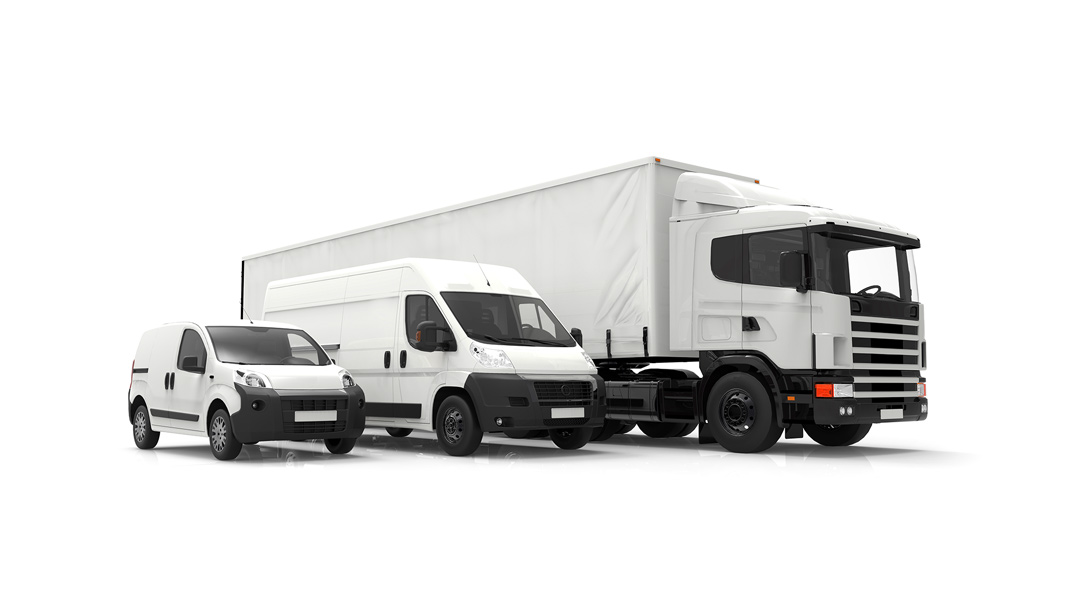
Car and truck fleet management in Southeast Asia
Fleet management systems are used across all vehicle types. In Southeast Asia, the two most common applications are:
- Car fleet management — Ideal for field sales teams, service technicians and leasing companies managing light vehicles. Key priorities include driver behaviour monitoring, route efficiency and fuel card integration.
- Truck fleet management — Built for heavy commercial vehicles transporting goods across the Philippines, Malaysia and the wider region. Key needs include load compliance, fuel management and delivery scheduling.
Whether you run a car fleet, a truck fleet or a combination of both, a unified fleet management system gives managers a single dashboard with consistent visibility across all asset types.
The Evolution of Fleet Tracking
Fleet management systems have evolved far beyond basic GPS tracking, now integrating data and technology through system integration, Internet of Things (IoT) and fleet connectivity.
Connectivity starts the moment a driver steps into the depot. With e-logs, drivers can access an app for Hours of Service, vehicle inspections and messaging right from a smartphone or tablet. Once the driver logs in and selects a vehicle, everything about the trip is recorded including date, time, location and odometer reading. The driver checks in only to update duty status, record vehicle inspection reports and report any potential defects. Minimal interaction is required so the driver can stay focused on the road.
With Software Development Kits (SDKs) and Application Programming Interfaces (APIs), fleets can link operations with the back office (human resources, finance and administration). They can automate processes, reduce the cost of doing business and get the most value from their data.
Fleets can streamline customer service through integration of telematics with navigation and transport management systems (TMSs). Carriers can track the progress of deliveries in real time and report more accurate arrival times to the customer.
Key Integrations for Fleet Management:
- Real-time navigation
- Route optimisation
- Vehicle diagnostics and maintenance
- Advanced collision prevention
- Safety and compliance reporting
- In-vehicle verbal feedback
- Driver ID system
- Benchmarking
With telematics and FMS, fleet managers have access to sophisticated vehicle diagnostic reporting, asset tracking and insight into driver behaviours. With this available data, fleet managers can gain new insight into their business, allowing for improvements and efficiencies to be made. The integration of telematics and FMS helps in all areas of a fleet manager's job such as managing finances, optimising logistics, increasing productivity and providing tools that allow for more in-depth analysis of available data.
Choosing the right fleet management solution for your business
The right fleet management solution depends on your fleet size, vehicle types and operational goals. Whether you manage cars or trucks, five vehicles or five hundred, look for a system that offers:
- Real-time GPS tracking and live vehicle data
- Driver behaviour monitoring and in-cab coaching
- Preventive maintenance alerts
- Fuel consumption and cost reporting
- Scalability as your fleet grows
Geotab's fleet management systems are trusted by businesses across the Philippines, Malaysia and Southeast Asia. Get a demo or visit our fleet management industries page to find the right solution for your industry.
Frequently Asked Questions
A fleet management system (FMS) is software that integrates with GPS and telematics devices to help businesses monitor, manage and optimise their vehicle fleets in real time. It covers vehicle tracking, driver safety, fuel management, maintenance scheduling and compliance — all from a single platform. Businesses across Southeast Asia, including the Philippines and Malaysia, use fleet management systems to reduce costs and gain full operational visibility.
Truck fleet management is the process of overseeing heavy commercial vehicles, covering route planning, load compliance, fuel monitoring and driver hours management. Fleet management systems for trucks provide real-time GPS tracking, fuel consumption reporting and automated maintenance alerts to keep trucks running efficiently and compliantly — whether you operate regionally or across borders.
Car fleet management refers to the monitoring and optimisation of light vehicles — such as sedans, vans and SUVs — used for business purposes. It typically covers GPS tracking, driver behaviour reporting, fuel card integration and vehicle maintenance scheduling. Businesses in the Philippines and Malaysia commonly use car fleet management systems to manage their sales, service and delivery fleets efficiently.
Fleet management is the process of overseeing, organising and optimising a company's fleet of vehicles to control costs, improve productivity, increase efficiency and reduce risk.
It covers vehicle acquisition, fuel management, driver safety, maintenance, compliance and remarketing — spanning industries from freight and delivery to field services, oil and gas, and emergency services.
Any business that owns or leases vehicles is engaged in some form of fleet management, with managers increasingly turning to telematics technology and software to confront the challenges of reducing total cost of ownership, enforcing safety policies and boosting operational performance.
A fleet management system (FMS) is software that allows a person to manage some or all of the tasks associated with running a fleet of vehicles, including vehicle tracking, driver management, incident management and compliance. It works by integrating with telematics devices installed in vehicles, which collect real-time data on GPS position, speed, fuel consumption, engine diagnostics and driver behaviour.
This data is transmitted to the cloud and presented through the FMS dashboard, enabling fleet managers to manage route optimisation, ensure driver safety and compliance, receive notifications for preventive maintenance, reduce fuel and maintenance costs, and help drivers comply with policies and regulations.
Through Software Development Kits (SDKs) and Application Programming Interfaces (APIs), fleets can also link operations with back-office systems such as human resources, finance and administration.
Fleet management software simplifies, streamlines and improves the end-to-end management and automation of a fleet. When combined with telematics, it enables fleet managers to:
- Manage route optimisation — plan more efficient routes to reduce fuel consumption and improve delivery times.
- Ensure driver safety and compliance — monitor driving behaviours, enforce policies and manage electronic logging and Hours of Service.
- Receive preventive maintenance notifications — schedule servicing based on vehicle diagnostics and usage data to minimise downtime and repair costs.
- Reduce fuel and maintenance costs — track idling, fuel consumption and driving habits to identify savings opportunities.
- Manage assets — monitor vehicle location, condition and utilisation in real time.
- Support compliance — handle vehicle inspections, driver log reporting and regulatory requirements.
Fleet managers also gain access to sophisticated vehicle diagnostic reporting, asset tracking and driver behaviour insights, allowing for improvements and efficiencies across all areas of fleet operations.
Fleet management delivers measurable benefits across six core operational areas:
- Cost reduction — Analyse and reduce expenses across vehicle acquisition, fuel, maintenance and remarketing by monitoring fleet metrics and benchmarking performance.
- Improved safety — Proactively improve driving behaviours and reduce preventable accidents through in-vehicle driver coaching, risk reporting, collision notifications and predictive analytics, reducing associated repair costs, downtime and liability.
- Fuel efficiency — Manage fuel programmes, track consumption patterns and use telematics data and gamification to influence driver behaviour, directly reducing cost per mile.
- Optimised maintenance — Set preventive maintenance policies based on vehicle type, vocation and geography to minimise wear and tear, save repair costs and optimise resale value.
- Regulatory compliance — Stay current with legislation changes, manage electronic driver logs, vehicle inspections and reporting requirements to avoid heavy fines.
- Better productivity — Use real-time GPS tracking, trip reporting, dispatching and route optimisation to improve customer service and streamline operations.
Fleet management also supports sustainability goals and helps businesses make data-driven decisions through analytics and performance benchmarking.
Fleet management software is used by any business that owns or leases vehicles and relies on transportation to operate. This includes organisations across a wide range of industries, such as:
- Courier and delivery companies
- Field sales and services (HVAC, plumbing, etc.)
- Trucking and transportation logistics
- Construction businesses
- Food and beverage companies
- Transit fleets (motor coach, public transit, taxi and paratransit)
- Oil, gas and mining industries
- Utilities
- Police, first responders and other public agencies
- Waste management fleets
- Car rental and leasing companies
From small businesses to large corporations, not-for-profit organisations and government agencies, fleet management software helps companies keep operations running efficiently, remain competitive and meet budget goals — with fleet managers using telematics and data analytics to reduce costs, enforce safety and increase productivity.
The Geotab Team write about company news.
Table of Contents
- What are the responsibilities of a fleet manager?
- Skills and Key Competencies for Fleet Management
- The Evolving Role of Fleet Managers
- Top three challenges facing fleet managers
- Telematics Vehicle Tracking Technology
- Fleet Management Systems and Software
- Car and truck fleet management in Southeast Asia
- The Evolution of Fleet Tracking
Related posts

What the Geotab and TAPA Webinar Reveals About Fleet Safety Management
October 2, 2026
2 minute read

How to maximise vehicle utilisation with a fleet management system in Southeast Asia
October 1, 2026
3 minute read

How Driver Safety Scorecards and AI Video Telematics Are Improving Fleet Safety in Southeast Asia
September 28, 2026
5 minute read
From punishment to performance: How Southeast Asia’s fleet operators are rethinking driver coaching
September 16, 2026
5 minute read

How to Choose the Best Dashcam in the Philippines for Fleet Insurance Protection
August 20, 2026
4 minute read