
Go Beyond the Dot: Why This Telematics Platform is the Future of Your Fleet Management System
With rising costs and safety pressures, basic GPS isn't enough. Geotab’s Ezanne Soh explains that integrated telematics platforms are vital, revealing not just where vehicles are, but how they perform, allowing fleets to make smarter, faster, data-driven decisions.

By Geotab Team
Mar 9, 2026
Key Insights
- Integrated telematics goes beyond GPS tracking to show not just where vehicles are, but how they are being driven and performing.
- Engine and vehicle data help fleets reduce fuel costs, enable predictive maintenance and improve uptime.
- Driver behaviour insights support targeted coaching, improving safety and overall fleet performance.
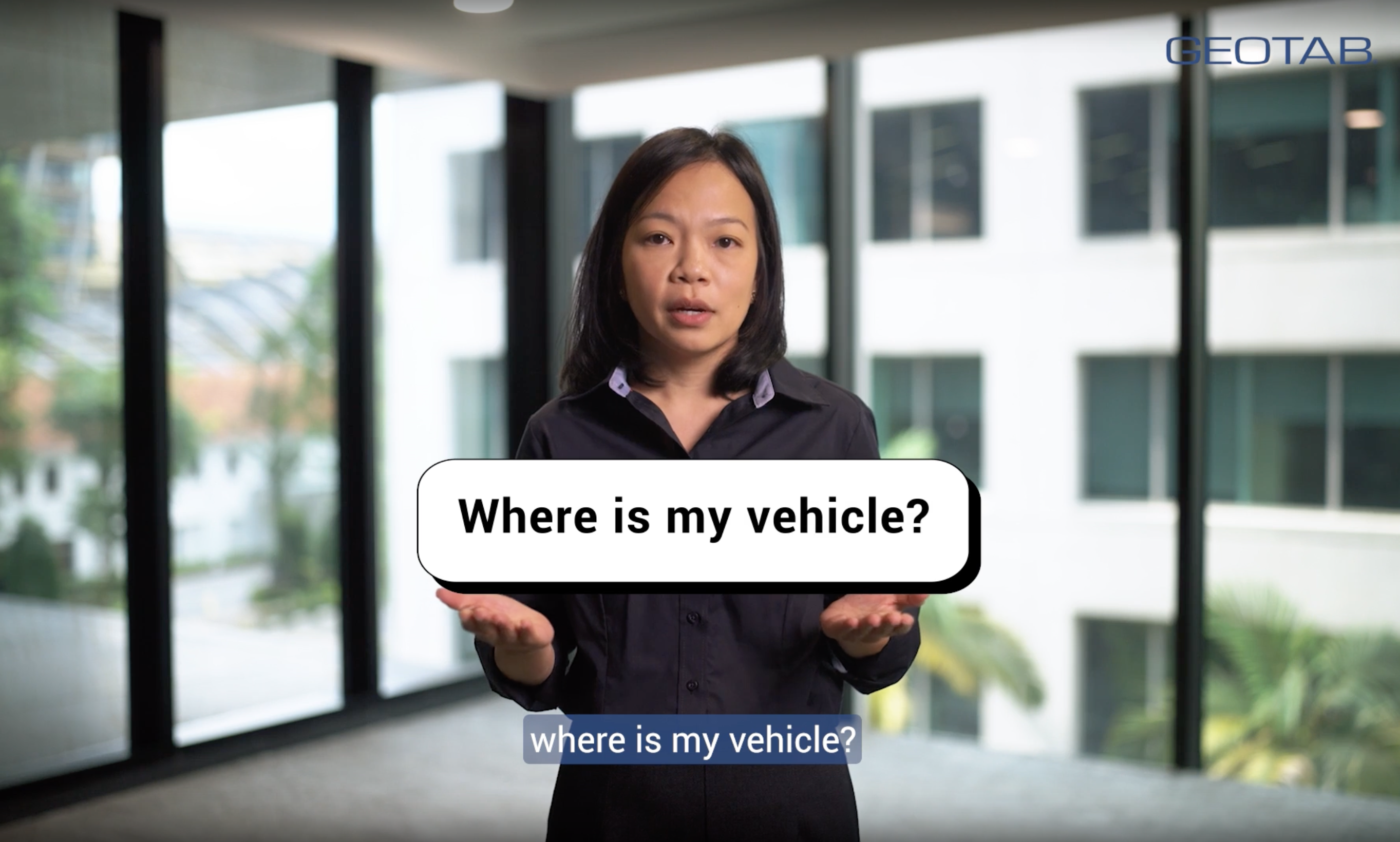
Moving beyond “where is my vehicle?”
For many years, fleet management began and ended with a simple question: where is my vehicle?
GPS tracking delivered reliable, real-time visibility on the road, and for a long time, that was sufficient. Today, fleet operators are navigating rising fuel costs, heightened safety expectations and increasing operational demands. Managing a fleet now requires deeper insight into vehicle performance, driver behaviour and operational outcomes.
Integrated telematics platforms connect vehicle data, driver inputs and operational intelligence into a single ecosystem, helping fleets understand not just where their vehicles are, but also uncover how and why they are operating the way they are.
Fuel efficiency: understanding the causes, not just the costs
Fuel remains one of the largest operating expenses for any fleet. While GPS can show routes taken, it cannot explain how those routes were driven. Integrated telematics systems connect directly to the vehicle engine to reveal the true causes of high fuel consumption, such as excessive idling or harsh acceleration.
This insight is not for monitoring or control. It allows fleets to provide drivers with meaningful, data-driven feedback that supports more efficient driving behaviours, ultimately helping to reduce fuel costs and improve overall performance.
Proactive fleet maintenance and uptime
Traditional fleet maintenance relies on fixed schedules or reacting to warning lights, which often results in unexpected breakdowns, higher repair costs and avoidable downtime. Telematics changes this by moving maintenance from reactive to proactive.
By reading engine diagnostic fault codes and detecting early warning signs, fleets can schedule preventive maintenance precisely when it is needed. This approach helps fleets remain on the road longer, boosts reliability and supports better asset utilisation.
Building safer drivers with comprehensive data
As telematics gathers more information, its role in improving driver safety becomes more significant - safety being the foundation of any fleet operation. Basic GPS tracking, which might only flag speeding, captures a limited view of safety. Integrated telematics offers a more comprehensive view of driver behaviour, pinpointing patterns like harsh braking or aggressive cornering.
The goal is driver development, not surveillance. These insights allow fleets to provide targeted coaching, proactively address risk and cultivate a stronger safety culture that protects drivers, assets and the wider community.
Looking ahead
The difference between GPS tracking and integrated telematics is profound. A GPS tracker shows a dot on a map. An integrated telematics platform reveals the full operation, from engine health and driver habits to the business intelligence that turns data into action
.
At Geotab, this is how fleets go beyond the dot, transforming information into insight and insight into performance. Watch the video below to learn more.
The Geotab Team write about company news.
Related posts
.png)
Fleet Management in Papua New Guinea: How Telematics Solves the Biggest Challenges
March 25, 2026
3 minute read
.jpg)
Telematics trends for 2026: What is changing and how Southeast Asia fleets can respond
February 23, 2026
6 minute read

Why Video Telematics is the Future of Fleet Safety in Southeast Asia
February 4, 2026
2 minute read

Unlocking Efficiency in Indonesia’s Logistics Sector: Why Fleet Management Systems Are Key
December 10, 2025
3 minute read