The asset black hole: Why your equipment disappears the moment it leaves your facility
Untracked equipment gets stolen, sits idle, and racks up detention fees that go uncollected. Here's what that costs – and how fleet asset tracking fixes it.

By Geotab Team
Nov 19, 2026
Key Insights
- Ghost assets cost more than the asset itself: equipment that's stolen, idle or lost still sits on the books, and the knock-on costs are usually bigger than the asset's value.
- Idle equipment drives up your real costs: commercial assets are active an average of just 186 days per year, so their full annual cost is recovered from about half a year of work.
- In Asia, most theft happens off the road: half of cargo theft incidents in the region happen at warehouses and production sites, with only 36% involving trucks. No proof, no detention fees: timestamped arrival and departure records turn a trailer left in a customer's yard into a charge you can collect.
- Asset tracking closes the gap: knowing where equipment is in hours instead of weeks cuts rentals, search time and losses.
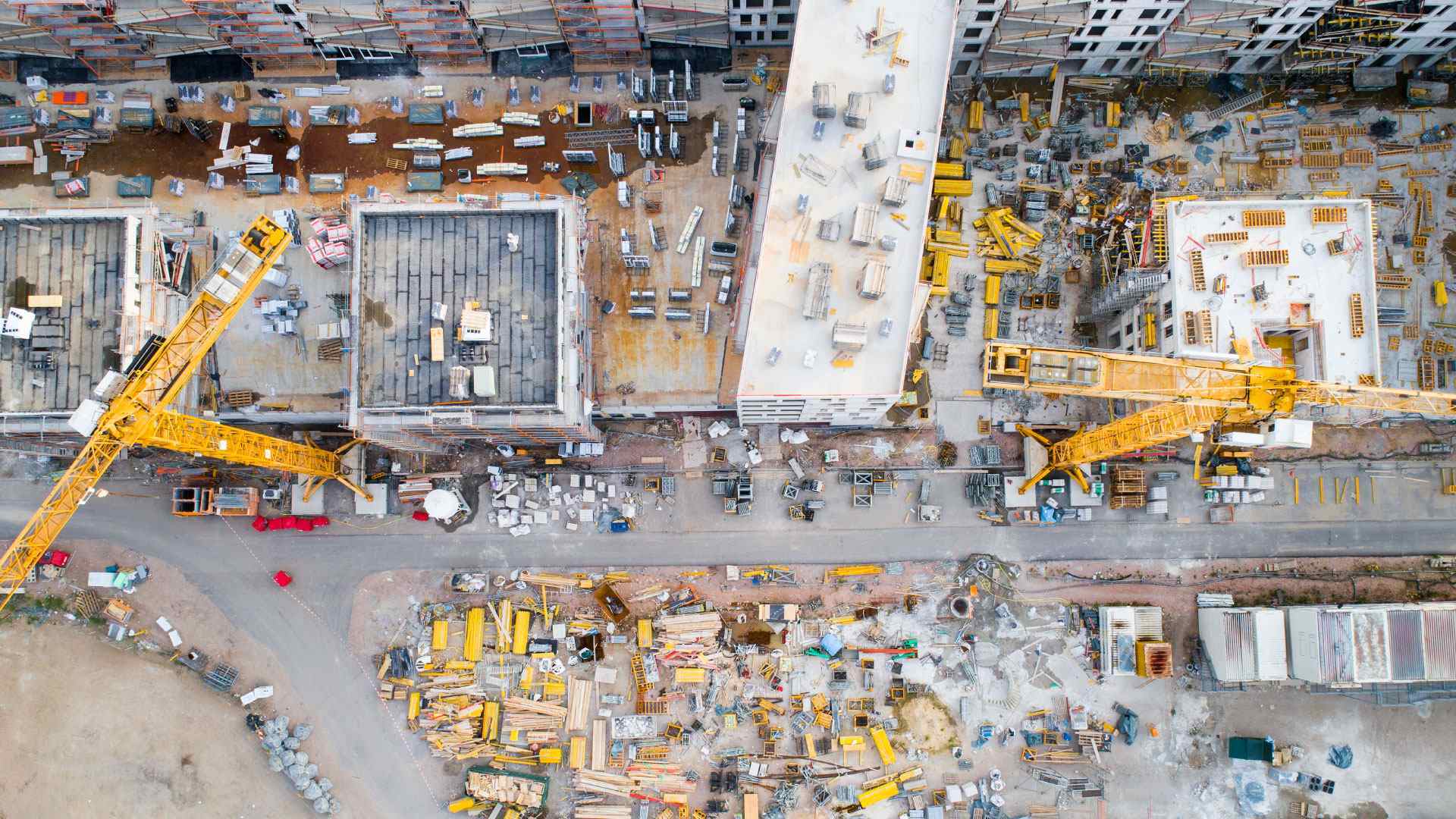
Commercial assets are active an average of just 186 days per year. That’s the finding from Geotab’s dataset of 6 million connected vehicles, meaning for roughly half the year, your trailers, generators and containers are sitting somewhere, costing money, earning nothing. Sometimes they don't come back at all.
Equipment that doesn't come back has a name: ghost assets. Still on the books, still covered by insurance, still showing up in depreciation schedules, but gone. Stolen, left on a job site, moved without documentation or written off years ago and never removed from the system.
Without asset tracking, the downstream cost is usually bigger than the asset itself.
You’re renting equipment you already own
Most fleet managers can tell you their cost per vehicle. Fewer can tell you their cost per productive hour, which is a very different number. Asset tracking with equipment utilisation data is how you find out.
When an asset is in use for only 186 days out of 365, you’re recovering its full annual cost, depreciation, insurance and storage, from half a year of productive hours. On equipment worth six figures, that maths is stark.
The reason fleets tolerate it is predictable. Site managers might hoard equipment because they don't trust it will be available when they need it. So the compressor stays on-site "just in case." Meanwhile, a dispatcher is getting calls from another crew looking for one, and eventually someone approves a rental – for equipment you already own, sitting idle, maybe two hours away.
The theft maths doesn't work out the way you think
Most fleets treat theft as an insurance problem, something that happens to trucks out on the road. In Asia, the data says otherwise. The BSI Consulting and TT Club 2025 Cargo Theft Report found that half of all cargo theft incidents in the region happened at warehouses and production sites, with only 36% involving trucks. Indonesia ranked fifth in the world for recorded cargo theft, and insiders were involved in 22% of thefts across Asia, often through slow pilferage enabled by weak inventory controls. Construction materials and manufacturing inputs were among the most targeted goods. Every loss also brings project delays, replacement lead times and the insurance claim process.
When theft happens inside a yard or on a site, how quickly someone notices decides whether the asset comes back. Equipment with documented location history and fast detection is far easier to recover. Equipment without that history mostly isn’t.
You can't collect detention fees without proof
This is the quiet version of the black hole. The asset came back. But the revenue it should have generated didn't.
Detention is the charge for time a trailer spends at a customer’s facility past the agreed free window, which is typically two hours after arrival. A driver drops the trailer and leaves. The trailer sits. Charging detention fees is one thing. Getting those invoices paid is another.
A trailer sitting in a customer's yard for three weeks is a billing conversation you can win when you have timestamped location records to back it up. Without them, it's a dispute you’ll likely lose.
Search time is eating your labour hours
A dispatcher logs a trailer as sitting at a yard across town. A driver shows up. It's not there. Ninety minutes of calls later, they track it to a different site. That's an hour and a half of paid time gone before the load moves an inch, and the driver's day is already behind.
Scale that to a crew. They show up ready to work and the compressor they were counting on is still at the last job site. No one marked it as unavailable or rerouted it. So they wait. Someone starts making calls and a rental gets approved. Three hours of crew time that went out at full rate before anyone touched anything.
It looks like a staffing problem when it's really a visibility problem. When you know where your assets are before anyone leaves, none of this happens.
Why these problems keep happening
All of the costs described above share a cause: the information teams are working with is stale.
Most asset management still runs on yard checks and spreadsheets. Someone walks the yard, records what's there, and reconciles against the asset register when something comes up missing. It works until it doesn't, and when it doesn't, the problem is usually weeks old by the time it comes to light.
That's how a compressor sits idle at a job site for two months while a dispatcher approves a rental for one two hours away. That's how a trailer racks up three weeks of detention charges before anyone realises it hasn't come back. And that's how a theft gets reported to insurance instead of the police, because no one knew it was gone until the next yard check.
The lag between when something happens and when someone finds out is where the money disappears.
What changes with asset tracking
Fleet asset tracking reports location and movement back to your fleet management platform. What that enables is the opposite of everything above.
Idle equipment becomes visible before the next audit instead of after. The compressor that hasn't moved in six weeks shows up in your data before anyone approves a rental for something you already own.
When an asset moves outside a designated zone or after hours, you get an alert. The window for acting is hours instead of weeks. And even when the alert comes too late, the location history is what police and insurers need to work with.
When a trailer is dropped at a customer's facility, the asset tracker logs the arrival. When it leaves, it logs the departure. That's your detention record built automatically without anyone having to write it down.
That matters most once an asset leaves your yard. TAPA APAC’s 2025 cargo crime data found that nearly 40% of incidents across Asia Pacific happened en route, and the association’s Trucking Security Requirements include tracking technology as part of in-transit security. Closing the lag is the point. When you know something is wrong early enough to act, you act.
What you can do when you have the data
Geotab’s GO Anywhere Plus fleet asset tracking solutions connect location, utilisation and movement data across your entire operation – powered equipment and non-powered assets – in a single platform alongside your vehicles. Knowing where your assets are is the starting point. Having that data early enough to act on it is what changes the outcome.
The Geotab Team write about company news.
Related posts

Beyond GPS: How All in One Video Telematics Are Reshaping Fleet Safety in Indonesia
October 28, 2026
5 minute read
What Is ADAS? A Guide to Driver Assistance Systems for Philippine Fleets
October 21, 2026
5 minute read
What Is a GPS Jammer? Detection and Protection in the Philippines
October 20, 2026
5 minute read

What the Geotab and TAPA Webinar Reveals About Fleet Safety Management
October 2, 2026
2 minute read

How to maximise vehicle utilisation with a fleet management system in Southeast Asia
October 1, 2026
3 minute read