The 'ghost fleet' crisis: how a fleet management system turns idle rental cars into revenue in South
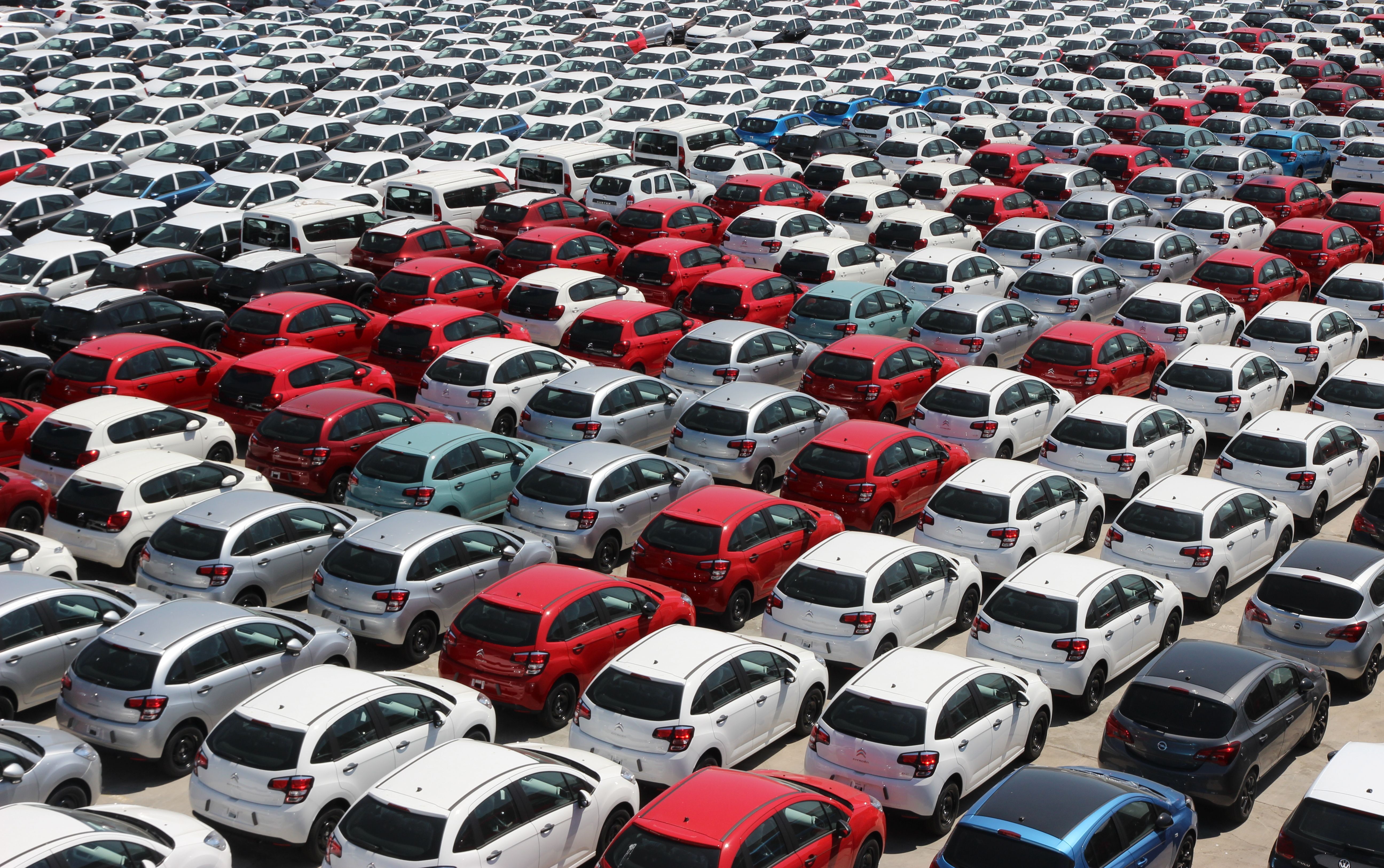
A ghost fleet is the collection of rental vehicles that sit idle, waiting for maintenance, a wash or a driver, instead of earning revenue. In Southeast Asia's fast-growing rental market, every idle car means lost revenue and depreciation. Real-time telematics data helps operators reactivate them.

By Geotab Team
Oct 9, 2026
Key Insights
- Idle cars are a structural liability: industry pressures are turning idle vehicles into lost revenue, not just a parked cost.
- Visibility is the core problem: Operators cannot manage what they cannot see, and repositioning fails without data.
- A fleet management system drives demand-based moves: Real-time vehicle utilisation data shows operators exactly which cars to move, and where.
- A booming SEA market raises the stakes: The ASEAN car rental market is worth around USD 2.97 billion in 2026 and growing, so every idle vehicle is lost upside.
A ghost fleet is the collection of rental vehicles that sit idle, waiting for routine maintenance, a quick wash or a driver to move them across town, instead of earning revenue. In Southeast Asia's fast-growing rental market, where peak-season utilisation is above 85%, every idle car represents lost revenue and continuing depreciation. A fleet management system with real-time telematics data is how operators find and reactivate those vehicles before the cost adds up.
The ASEAN car rental market is worth around USD 2.97 billion in 2026 and is forecast to keep climbing. In a market this competitive, you cannot afford to let your most expensive assets sit idle.
Why are rental vehicle costs rising in Southeast Asia?
Purchasing vehicles now requires significantly more capital than just a few years ago, with fleet acquisition and leasing costs rising by double digits globally — a pressure felt acutely across Southeast Asia, where import tariffs, currency depreciation and limited local manufacturing keep vehicle prices elevated. Industry sources estimate that each unused vehicle can forgo about USD $1,400 in monthly revenue, while carrying costs range from USD $8,000 to USD $15,000 annually. It is no surprise that 71% of fleets now rank cost-cutting as their top priority.
Moreover, vehicles depreciate over time, losing value daily whether they are driven or parked. In a region where diesel prices remain volatile — following fuel subsidy reforms in Indonesia and rising energy costs across Thailand and the Philippines — every idle vehicle compounds the loss. The bottom line is simple: in Southeast Asia's high-demand, high-cost operating environment, keeping vehicles earning is the difference between a profitable fleet and a fleet of liabilities.
How do labour shortages create ghost fleets?
Skilled-labour shortages are a growing challenge across the region's automotive sector, with around 37% of businesses in Asia reporting labour shortages. The shortage in qualified auto technicians is only one part of the problem. Rental operators also struggle to find reliable car washers, detailers and transport drivers. These labour gaps create a compounding series of delays.
A car might be mechanically sound but sitting in a lot because you lack the cleaning staff to prep it. Another car might be clean and ready but waiting days for a driver to move it from a suburban depot to an airport terminal. These seemingly small delays add up, turning perfectly good assets into unprofitable ghost fleet vehicles.
Why do rental vehicles end up in the wrong locations?
Even during periods of high demand for rental cars, vehicles often end up in the wrong locations. Factors like one-way rentals, seasonal travel surges and cross-border trips, such as Singapore-Malaysia routes, can shift inventory away from your most profitable hubs.
Without real-time fleet visibility, repositioning becomes a reactive and inefficient process, with fleet managers relying on outdated methods such as having staff walk through sprawling parking areas with clipboards to count available cars. This approach is not only time-consuming but also prone to human error and a poor use of resources.
Operating without clear fleet insights leads to costly repositioning mistakes. For instance, you might pay to move a vehicle to an airport, only to discover later that a ready-to-go car was just a few kilometres away. These blind spots in inventory management leave revenue on the table and hinder operational efficiency.
Three ways a fleet management system gets more from a smaller team
Reactive management can be costly: wasting time, money and your customer's goodwill. The damage is done the moment a car is not available to a customer, potentially stranding them. To stay ahead, you need the ability to anticipate demand and reposition your assets before shortages occur.
Anticipating demand, however, depends on having accurate, real-time data. Without knowing exactly where your vehicles are right now, it is impossible to plan effectively for where they need to be tomorrow.
While you cannot solve a regional labour shortage overnight, you can transform how you manage your existing staff and fleet through fleet management. When labour is limited, better data empowers you to make smarter, more efficient decisions with fewer resources. Here are three actionable solutions you can implement today.
1. Unlock real-time location and vehicle utilisation data
Real-time location and vehicle utilisation data can eliminate the inefficiencies of a ghost fleet. With telematics, your operational awareness is completely transformed. No more relying on clipboards or manual audits; instead, your fleet management software gives you instant visibility into the exact status and location of every vehicle, all from a single, intuitive dashboard.
This level of telematics-driven visibility provides a significant operational edge. You can immediately distinguish between a vehicle that is simply off-rent and one that is fully prepped and ready to go. For example, you will know that a clean, serviced SUV is sitting just 10 kilometres away from a branch experiencing an unexpected surge in demand.
2. Reposition your vehicles based on demand
Asset utilisation reports give you instant visibility into idle vehicles, showing exactly which cars have been sitting the longest. With this data, you can prioritise repositioning efforts based on facts, not guesswork.
By directing your limited transport drivers to move the vehicles that promise the highest immediate return, you eliminate wasted labour and inefficiencies. No more moving the wrong cars to the wrong locations. Instead, every action your team takes is precise, efficient and designed to maximise profitability.
3. Keep vehicles road-ready with predictive maintenance
Telematics data helps tackle the mechanic shortage indirectly through predictive maintenance. By monitoring engine health and diagnostic trouble codes in real time, you receive instant alerts about minor issues before they escalate into costly breakdowns.
Catching problems early, like a failing battery or a minor engine misfire, means repairs are often quick and straightforward. You can even schedule maintenance during slower periods, minimising disruptions. This proactive approach keeps your vehicles road-ready for longer, reducing downtime and reliance on highly-paid mechanics for major fixes.
Turn your ghost fleet back into a revenue fleet
The ghost fleet crisis will not resolve itself. To thrive in today's Southeast Asian car rental industry, you must adapt your management strategies to meet this new reality.
Operators who integrate fleet management solutions into their workflows will gain a significant structural advantage. They will achieve more with their existing fleet, stop waiting for staffing levels to normalise and start maximising revenue immediately. Your authorised Geotab partner can support the rollout with fleet management services, from installation to report configuration.
Your fleet represents a major investment; do not let those valuable assets sit idle in a parking lot. Equip your team with the tools they need to track, manage and deploy every vehicle with precision.
Request a demo and we will walk through your fleet's utilisation data together.
Frequently Asked Questions
A ghost fleet is the group of rental vehicles that sit idle, waiting for maintenance, cleaning or repositioning, instead of generating revenue. Because these assets still depreciate and incur insurance and finance costs while parked, they quietly erode margins. Real-time telematics data helps operators identify and reactivate them quickly.
In Southeast Asia's car rental market, worth around USD 2.97 billion in 2026 with peak-season utilisation above 85%, every idle vehicle is a booking that cannot be fulfilled. On top of the lost rental income, each parked car continues to depreciate and incur insurance and financing costs, compounding the loss.
A fleet management system gives operators real-time visibility of every vehicle's location, status and readiness. Instead of manual lot audits, managers instantly see which cars are off-rent, which are prepped and ready, and which should be repositioned to meet demand, turning idle assets back into earning ones faster.
Vehicle utilisation directly determines profitability in a high-demand, fast-growing market. With peak-season utilisation now exceeding 85% across the region, operators who maximise the time each vehicle spends earning, and minimise idle time, capture far more of the available revenue than competitors relying on guesswork.
The Geotab Team write about company news.
Related posts

How to maximise vehicle utilisation with a fleet management system in Southeast Asia
October 1, 2026
3 minute read

How to Choose the Best Dashcam in the Philippines for Fleet Insurance Protection
August 20, 2026
4 minute read

How Commercial Fleets in Thailand Use Dashcam Video Telematics to Dispute False Claims
August 19, 2026
5 minute read
The True Cost of a Fleet Accident in Thailand: Legal, Repairs & Premium Impact
August 5, 2026
6 minute read