How Driver Safety Scorecards and AI Video Telematics Are Improving Fleet Safety in Southeast Asia
Fleet operators across Southeast Asia are under pressure to maintain reliable services with limited driver availability. When experienced drivers leave, businesses lose route knowledge, customer familiarity and investment in training.

By Geotab Team
Sep 28, 2026
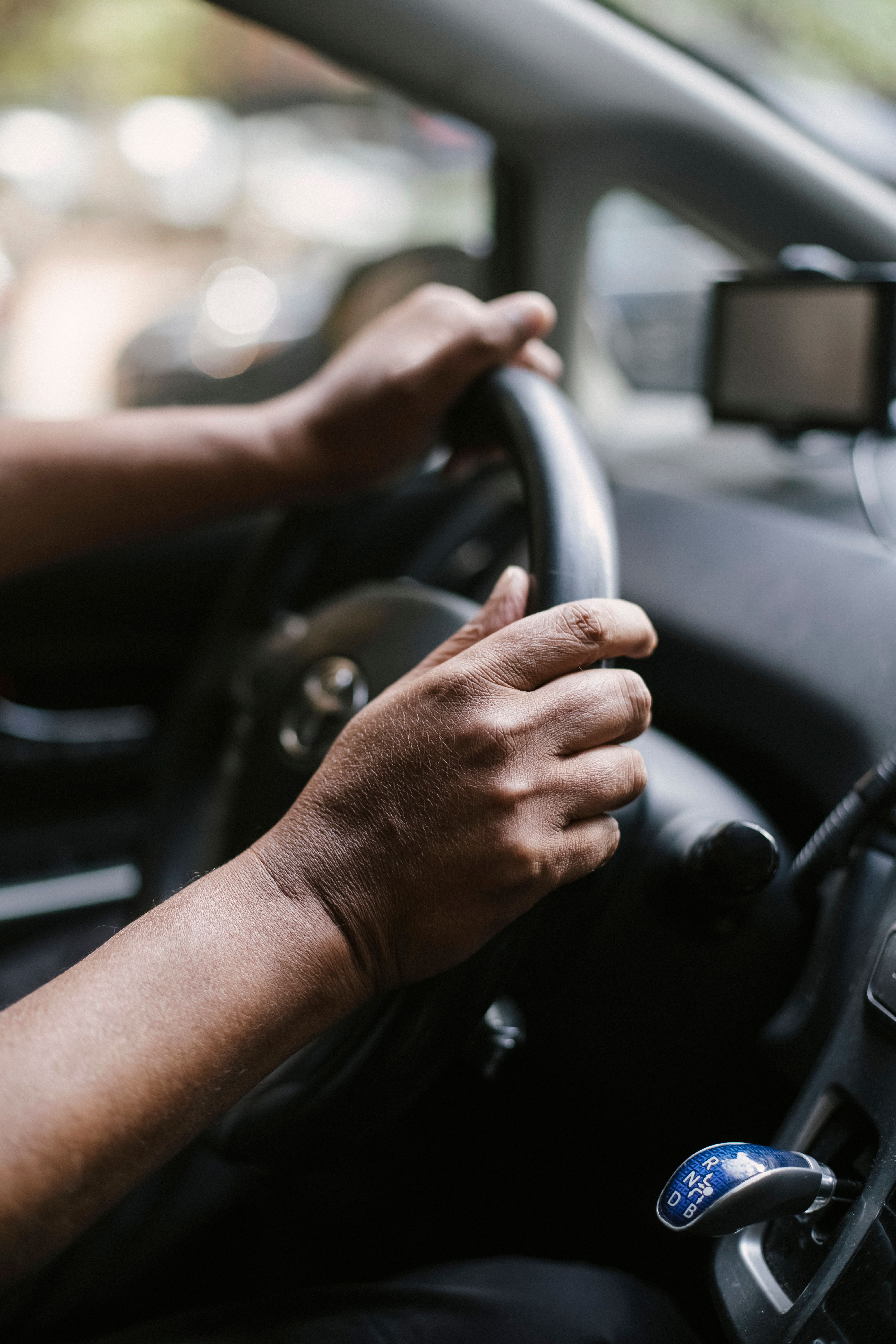
Why fleet safety is also a driver retention issue
Fleet operators across Southeast Asia are under pressure to maintain reliable services with limited driver availability. When experienced drivers leave, businesses lose route knowledge, customer familiarity and investment in training.
Safety is part of that employment experience. Drivers who feel rushed, unsupported or unfairly blamed after incidents may become disengaged. A clear and constructive safety programme can help operators create a more supportive workplace while reducing operational risk.
The World Health Organization identifies road traffic injuries as a significant concern in Southeast Asia. Its regional road safety overview highlights the vulnerability of road users across the region.
For fleet operators, this means safety cannot begin only after a collision. It needs to be managed throughout the driver’s working day, using timely information and practical coaching.
How driver safety scorecards support proactive safety
A driver safety scorecard gives fleet managers a consistent way to measure driving performance.
Geotab’s Driver Safety Scorecard uses telematics data and configured exception rules to assess behaviours such as:
- Harsh braking.
- Hard acceleration.
- Harsh cornering.
- Speeding.
- Excessive speeding.
- Seatbelt events, where reliable vehicle data is available.
- Driving distance.
- Driver or vehicle risk classification.
The scorecard helps managers see patterns over time rather than focusing on one isolated incident. It may reveal repeated harsh braking on a particular route or a rise in speeding during late shifts.
Geotab’s scorecard can use event counts, violation percentages or a hybrid calculation method. Including driving distance helps create a fairer comparison between drivers with different workloads.
The scorecard does not explain every reason behind an event. Instead, it shows managers where further review or coaching may be appropriate.
How driver behaviour monitoring helps prevent incidents
Driver behavior monitoring helps identify warning signs before they become serious incidents.
A traditional post-accident review begins after damage, injury or disruption has already occurred. A driver behavior monitoring system gives managers an opportunity to act earlier by highlighting repeated or changing behaviours.
These behaviours may include:
- Frequent harsh-braking events.
- Repeated speeding on specific roads.
- Aggressive acceleration after delivery delays.
- Risk concentrated during certain shifts.
- Repeat events after previous coaching.
- Sudden changes in an otherwise consistent driving pattern.
The right response will depend on the circumstances. It may involve driver coaching, refresher training, route planning, workload review or vehicle inspection.
The purpose is not to punish drivers for every exception. It is to identify risks while there is still time to reduce them.
How GO Focus Plus adds video context
Telematics data can show that a safety event occurred. Video can help managers understand what happened.
GO Focus Plus adds AI-powered video telematics to Geotab’s safety capabilities. It can detect selected risks, including distraction, fatigue, tailgating and hard braking. It can also provide in-cab voice alerts and prioritise critical or repeated events for manager review.
| Capability | Role in the safety process |
| Driver Safety Scorecard | Measures telematics-based driving performance |
| MyGeotab exception rules | Records defined safety events |
| GO Focus Plus | Detects selected risks using AI-powered video |
| In-cab alerts | Gives drivers immediate feedback |
| Coaching workflow | Turns events into constructive action |
| Reporting | Tracks improvement over time |
Consider a harsh-braking event. It could indicate distraction or aggressive driving. It could also be a defensive response to a pedestrian, motorcycle or vehicle entering the driver’s path.
The scorecard identifies the event. GO Focus Plus may provide additional visual context. Managers can then make a more informed coaching decision.
Why continuous monitoring is more useful than one-off reviews
Post-accident reviews remain important for serious collisions, insurance claims, legal matters and formal investigations. However, they are reactive by design.
| Post-accident review | Continuous safety approach |
| Begins after an incident | Identifies patterns before an incident |
| Focuses on one event | Shows performance over time |
| May depend on recollection | Uses telematics and video context |
| May seem punitive or penalising | Supports structured coaching |
| Measures the outcome | Measures behaviours that influence outcomes |
A driver scorecard should therefore complement formal investigations, not replace them. Its main value is prevention: it helps managers identify repeated behaviours, intervene earlier and measure whether coaching is working.
How driver scoring can support retention
A driver scorecard can support retention when operators introduce it transparently and use it fairly.
Drivers should understand:
- Which behaviours affect their score.
- How driving distance influences comparisons.
- How managers review video events.
- How they can challenge inaccurate information.
- Whether scores affect incentives, training or discipline.
- How the organisation protects personal information.
Managers should recognise improvement as well as identify risk. A driver who reduces repeat harsh-braking events should receive constructive feedback and recognition.
This makes driver scoring part of a development process rather than a simple ranking exercise.
Fairness also requires local context. Traffic density, road design, motorcycle activity, weather and vehicle types vary across Southeast Asia. Fleets should review thresholds for their own operating environment instead of applying one rigid benchmark to every driver.
How Geotab safety solutions create a coaching cycle
Geotab safety solutions connect safety data, review and coaching within one process.
- Capture: GO devices collect driving and vehicle data.
- Detect: MyGeotab records events through configured exception rules.
- Add context: GO Focus Plus provides video for eligible events.
- Score: The Driver Safety Scorecard measures performance.
- Prioritise: Managers focus on repeated or high-severity events.
- Coach: Supervisors discuss the event with the driver.
- Measure: Future scorecards show whether behaviour improves.
- Recognise: Managers acknowledge progress and safer performance.
These insights can be managed within Geotab’s wider safety workflow. Fleet managers can use driver coaching tools to turn priority events into targeted conversations, then use driver safety reports to monitor trends and measure improvement over time.
What should Southeast Asian fleets measure?
Operators should begin with a focused set of behaviours that connect directly to their safety goals.
- Harsh-braking events per 100 kilometres.
- Hard-acceleration events.
- Speeding frequency and duration.
- Excessive-speeding events.
- AI-detected distraction or fatigue events.
- Repeat events after coaching.
- Coaching completion rates.
- Average fleet safety score.
- Collision and near-miss trends.
- Driver feedback and retention indicators.
The score should not be the only measure of success. Fewer repeat events, stronger coaching participation and improved driver confidence also indicate progress.
Road-speed data may require additional validation in some Southeast Asian locations. Operators should review map coverage and estimated speed limits before making high-impact personnel decisions.
How to build driver trust
Technology alone does not create a safety culture. Drivers need to understand how data is collected, how it is used and how the process benefits them.
Before introducing scorecards or AI-powered video, fleets should:
- Explain the programme in plain language.
- Define the behaviours being measured.
- Publish the coaching and escalation process.
- Train supervisors to discuss events respectfully.
- Allow drivers to provide context.
- Review false positives and inaccurate data.
- Separate coaching from automatic punishment.
- Limit access to video and personal information.
- Recognise improvement as well as risk.
The strongest programmes use technology to make conversations more specific. A manager can review an event, discuss the context, explain the risk and agree on a practical next step.
Measuring the business impact
Fleet operators should compare results before and after introducing driver safety scorecards and GO Focus Plus.
- Safety events per kilometre.
- Repeat events by driver.
- Coaching completion and follow-up rates.
- Collision and near-miss trends.
- Average fleet safety score.
- Driver feedback.
- Voluntary turnover.
- Absence and injury-related downtime.
The most useful analysis combines safety and workforce indicators. A programme that reduces risky events while improving driver engagement may deliver greater long-term value than one focused only on lower scores.
Conclusion
Fleet safety and driver retention are closely connected. Drivers need safe vehicles, realistic expectations and feedback that helps them improve. Fleet operators need earlier warnings, consistent measurements and evidence that supports sound decisions.
Geotab’s Driver Safety Scorecard and GO Focus Plus address these needs in complementary ways. The scorecard measures telematics-based driving behaviour. GO Focus Plus uses AI-powered video telematics to detect selected risks, provide immediate feedback and prioritise events for coaching.
Together, these capabilities help fleets move from isolated post-accident reviews towards continuous safety improvement, without removing the need for formal investigations when serious incidents occur.
Next step
Review your current safety programme and identify where it remains reactive. Then request a Geotab demo to explore how Driver Safety Scorecards, GO Focus Plus and Geotab coaching workflows can support safer operations and stronger driver retention.
Frequently Asked Questions
No. The Driver Safety Scorecard is a telematics-based MyGeotab report that uses exception-rule data, driving distance and configured scoring methods.
GO Focus Plus uses on-device computer vision to detect selected risks such as distraction, fatigue, tailgating and hard braking.
No. It supports proactive monitoring and coaching, while formal reviews remain necessary for serious incidents and legal or insurance requirements.
Transparent scorecards can support retention by giving drivers clear feedback, recognising improvement and reducing reliance on blame-based incident conversations.
Geotab’s core safety capabilities and GO Focus Plus are confirmed as available across Singapore, Thailand, Indonesia, Malaysia and the Philippines. Vehicle compatibility, data quality and local configuration should be validated for each deployment.
The Geotab Team write about company news.
Table of Contents
- Why fleet safety is also a driver retention issue
- How driver safety scorecards support proactive safety
- How driver behaviour monitoring helps prevent incidents
- How GO Focus Plus adds video context
- Why continuous monitoring is more useful than one-off reviews
- How driver scoring can support retention
- How Geotab safety solutions create a coaching cycle
- What should Southeast Asian fleets measure?
- How to build driver trust
- Measuring the business impact
- Conclusion
- Next step
Related posts

What the Geotab and TAPA Webinar Reveals About Fleet Safety Management
October 2, 2026
2 minute read
From punishment to performance: How Southeast Asia’s fleet operators are rethinking driver coaching
September 16, 2026
5 minute read

How to Choose the Best Dashcam in the Philippines for Fleet Insurance Protection
August 20, 2026
4 minute read

How Commercial Fleets in Thailand Use Dashcam Video Telematics to Dispute False Claims
August 19, 2026
5 minute read
The True Cost of a Fleet Accident in Thailand: Legal, Repairs & Premium Impact
August 5, 2026
6 minute read

How to turn hidden fleet cost leaks into visible ROI in Southeast Asia
June 18, 2026
5 minute read