Fuel Management System for Philippine Fleets: 2026 Guide to Cutting Diesel Costs
How a fuel management system helps Philippine fleets tackle idling, theft, and hidden waste — with data, not guesswork.

By Geotab Team
Oct 6, 2026
.jpg)
Key Insights
- Fuel Management System: A digital platform that tracks consumption, detects theft, and monitors driver behaviour to eliminate wasteful fuel spend.
- Idling Costs: Chronic Metro Manila traffic is a serious drain — a single heavy-duty truck idling for three hours daily wastes over 264 litres per month.
- Hidden Losses: Fleet budgets are silently eroded by unauthorised route deviations, fuel theft (patulo), and poor tyre maintenance.
- Telematics Alerts: GPS-connected devices send instant alerts when fuel levels drop unexpectedly, replacing manual guesswork with a live digital audit trail.
- Data-Driven Operations: Congestion-aware dispatching and driver coaching reduce waste and protect margins without relying on fixed surcharge assumptions.
A fuel management system gives Philippine fleet operators real-time visibility into consumption, idling, and theft — replacing unreliable manual logbooks with automated data. With the Philippines importing over 95% of its crude oil and diesel prices reaching record highs, the right system is now a commercial necessity, not an optional upgrade.
Why Philippine Fleets Need a Fuel Management System in 2026
The Philippines is facing a significant energy challenge, importing more than 95% of its crude oil . With global supply chain disruptions affecting the Persian Gulf, domestic diesel prices have more than doubled, and the government has declared a national energy emergency.
For the transport sector — which consumes nearly two-thirds of all petroleum used in the country — the impact is severe. Logistics rates have already risen by 30% as diesel costs climb to record levels. Fleet operators are now in a race to secure efficiency before supply stocks tighten further.
A fuel management system is the single most effective tool to take back control. Without one, every litre lost to idling, theft, or inefficient routing is invisible — and unrecoverable.
What Does a Fuel Monitoring System Actually Track?
A fuel monitoring system goes beyond simply logging how many litres were pumped at a station. When connected to a telematics platform like Geotab, it tracks:
- Real-time fuel level changes — detecting unexpected drops while a vehicle is parked or in transit
- Consumption per trip and per driver — revealing which routes and behaviours burn the most fuel
- Idling time and engine-on duration — quantifying the true cost of Metro Manila gridlock
- PTO (Power Take-Off) usage — separating transit fuel from auxiliary equipment fuel, critical for reefer vans
- Cross-referenced GPS location — matching fuel events to vehicle position to identify theft instantly
For Philippine fleets operating across NCR, Luzon, and the provinces, this visibility replaces the unreliable manual logbook with a continuous, live audit trail
The 5 Hidden Costs Draining Your Philippine Fleet Budget
In the local context, fuel waste is rarely about a single leak — it is a combination of environmental factors and operational habits.
1. Chronic Idling in NCR Traffic Gridlock
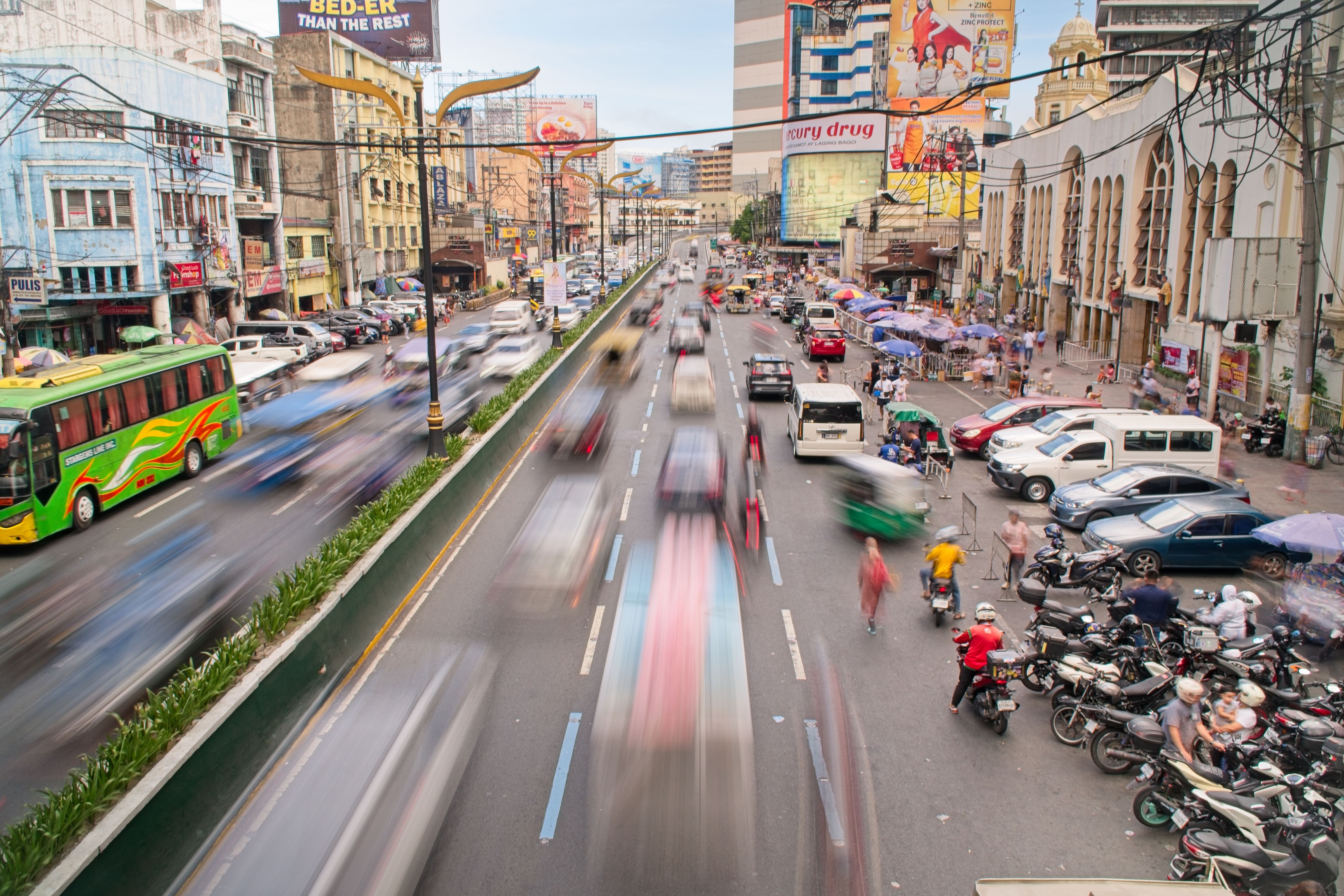
Manila remains one of the most congested cities globally. A heavy-duty truck caught in standstill on the South Luzon Expressway (SLEX) or C5 consumes roughly 4 litres of diesel per hour just to keep the engine running. In a standard 22-working-day month, a truck spending 3 hours daily in traffic wastes 264 litres — a significant monthly drain, purely from unproductive idling.
2. The "Route Deviation" Penalty
Without GPS-verified routing, many drivers take alternative paths to avoid checkpoints or traffic, often adding 15 to 20 kilometres to a single trip. On Philippine secondary roads — which are frequently poorly maintained — these extra kilometres significantly increase fuel burn per ton-kilometre.
3. Unchecked Power Take-Off (PTO) Usage
For refrigerated reefer vans delivering perishables to supermarkets, secondary engine usage is a major fuel drain. Without a fuel monitoring system for trucks, managers cannot distinguish between fuel used for transit and fuel used to maintain cold-chain integrity — leading to large discrepancies in litres-per-hour reporting.
4. Fuel Theft — The Patulo Shadow Economy
As diesel prices rise, so does the prevalence of fuel theft. Known locally as patulo, the unauthorised siphoning of fuel from company tanks is a significant and localised risk. Without a system that cross-references fuel gauge readings with GPS location, these losses are routinely written off as poor engine performance.
5. Under-Inflated Tyres on Rough Terrain
Philippine roads vary dramatically in quality. Operating a heavily laden truck with even slightly under-inflated tyres increases rolling resistance — forcing the engine to work harder and burn more fuel to maintain speed, especially through the mountainous terrain of Northern Luzon or Mindanao.
How GPS Fleet Tracking Cuts Fuel Waste on Philippine Roads
A GPS fleet tracking system in the Philippines does more than show where your vehicles are. Integrated with a full telematics platform, it creates a continuous, cross-referenced record of every route taken, every stop made, and every litre consumed.
This data enables:
- Route validation — comparing planned vs actual routes to flag deviations that add unnecessary kilometres
- Idle time mapping — pinpointing the exact roads and times of day where engines are running without moving
- Driver behaviour scoring — ranking drivers by fuel efficiency across Metro Manila, Cebu, Davao, and provincial routes
- Fuel event alerts — instant notification when fuel levels drop unexpectedly while a vehicle is at a terminal or rest stop
For logistics operators managing fleets across the Pan-Philippine Highway or inter-island routes, this level of GPS data is the foundation of any effective fleet fuel management system.
Strategic Action Plan for Philippine Fleet Managers
Step 1: Deploy a Fuel Management System for Your Trucks
Replace manual logbooks with automated data. Using the Geotab GO device, fleet managers receive an instant alert the moment a fuel level drops unexpectedly while a truck is parked at a rest stop in Tarlac or Batangas. This digital footprint is the only reliable way to eliminate the patulo shadow economy from your operations.
Step 2: Implement "Congestion-Aware" Dispatching
Use historical GPS data to reschedule long-haul trips. If your vehicle tracking system shows trucks wasting the most fuel between 4:00 PM and 8:00 PM on the North Luzon Expressway (NLEX), adjust dispatch times to the graveyard shift. Avoiding peak Manila congestion is the single most impactful way to reduce the idling drain on your budget.
Step 3: Run Localised Driver Coaching
Philippine drivers face high-stress environments. Rather than general reprimands, use Geotab’s in-cab coaching alerts to provide real-time feedback when a driver engages in harsh acceleration or excessive speeding. Tailoring alerts to Philippine highway conditions makes drivers partners in fuel conservation rather than compliance liabilities.
Step 4: Apply Regional Maintenance Benchmarking
Create different maintenance schedules based on route type. A vehicle doing last-mile delivery in stop-and-go Makati traffic requires more frequent filter and oil checks than a long-haul truck running the Pan-Philippine Highway. Proper maintenance ensures engines operate at peak thermal efficiency — maximising every litre consumed.
Step 5: Transition to Data-Driven Surcharges
Use Geotab's fleet fuel management reports to justify fuel surcharges with verifiable evidence. When you can prove exactly how much fuel was consumed due to port congestion or specific delivery delays, you protect margins with transparent, data-backed billing rather than estimates that clients can dispute.
Conclusion: The Path Forward
The era of predictable logistics costs in the Philippines has ended. As we move through 2026, the winners in the transport sector will not be those with the biggest fleets, but those with the smartest data. By addressing the five hidden drains and deploying a localised fuel management system, Philippine operators can transform fuel management from a constant crisis into a competitive advantage.
Next Step: Find out how Geotab's fleet fuel management solution helps Philippine operators reduce waste, detect theft, and protect margins — request a demo here
Frequently Asked Questions
A fuel management system is a digital platform that connects to each vehicle in a fleet to track real-time fuel consumption, detect sudden fuel drops, monitor idling time, and cross-reference fuel events with GPS location data. For Philippine fleets, this replaces unreliable manual logbooks with an automated audit trail that surfaces waste, theft, and inefficiency the moment they occur.
Yes. Geotab's telematics platform connects to heavy-duty trucks, reefer vans, and mixed fleets operating across NCR, Luzon, Visayas, and Mindanao. The GO device plugs into the vehicle's OBD port and begins tracking fuel consumption, idling, route adherence, and driver behaviour within minutes of installation.
A fuel management system prevents theft by cross-referencing live fuel gauge readings with GPS vehicle location. If fuel levels drop while a vehicle is stationary — at a rest stop, terminal, or depot — the platform sends an instant alert to the fleet manager. This makes the patulo siphoning practice immediately visible and attributable, rather than written off as engine inefficiency.
The best fuel management system for logistics companies in the Philippines combines GPS fleet tracking with driver behaviour scoring, idling alerts, and route deviation monitoring — all in a single platform. Geotab's MyGeotab software delivers this, with reports customisable to Philippine road conditions, local fleet structures, and inter-island logistics needs.
A heavy-duty truck in Metro Manila gridlock consumes approximately 4 litres of diesel per hour at idle. A truck spending just three hours daily in traffic — realistic on SLEX, C5, or EDSA — wastes around 264 litres per vehicle per month in unproductive idling. Across a fleet of 20 trucks, that is more than 5,000 litres consumed without moving a single delivery forward.
The surge is driven by a national energy emergency caused by global supply chain disruptions. This is particularly impactful because the Philippines imports more than 95% of its crude oil, making the economy highly sensitive to international price volatility — and making a fleet fuel management system an operational priority, not a luxury.
The Geotab Team write about company news.
Table of Contents
- Why Philippine Fleets Need a Fuel Management System in 2026
- What Does a Fuel Monitoring System Actually Track?
- The 5 Hidden Costs Draining Your Philippine Fleet Budget
- How GPS Fleet Tracking Cuts Fuel Waste on Philippine Roads
- Strategic Action Plan for Philippine Fleet Managers
- Conclusion: The Path Forward
Related posts

How to Choose the Best Dashcam in the Philippines for Fleet Insurance Protection
August 20, 2026
4 minute read

How fuel tracking and transaction controls help Philippine fleets manage costs in a volatile market
June 22, 2026
2 minute read
.jpg)
Geotab GO Focus Plus Camera Rules, Thresholds, and Event Buffers Explained
May 20, 2026
2 minute read