Fleet Management Software in the Philippines: 5 Key Takeaways from Our Connected Mobility Webinar
GPS tells you where. Fleet management software tells you why. Five takeaways from our webinar for Philippine fleet operators.

By Sharen Putri
Oct 6, 2026
Key Insights
- Fleet management software goes beyond GPS — it connects driver behaviour, fuel consumption, vehicle health, and safety reporting into a single platform, giving every stakeholder one real-time version of the truth.
- Fuel accounts for 30 - 40% of operating costs — and the biggest losses from idling, inefficient routing, and unauthorised siphoning are invisible without vehicle-level fleet management software.
- AI-powered video telematics interprets driver behaviour in real time — enabling corrective action before an incident occurs, not after. The objective is fewer accidents, not more recordings.
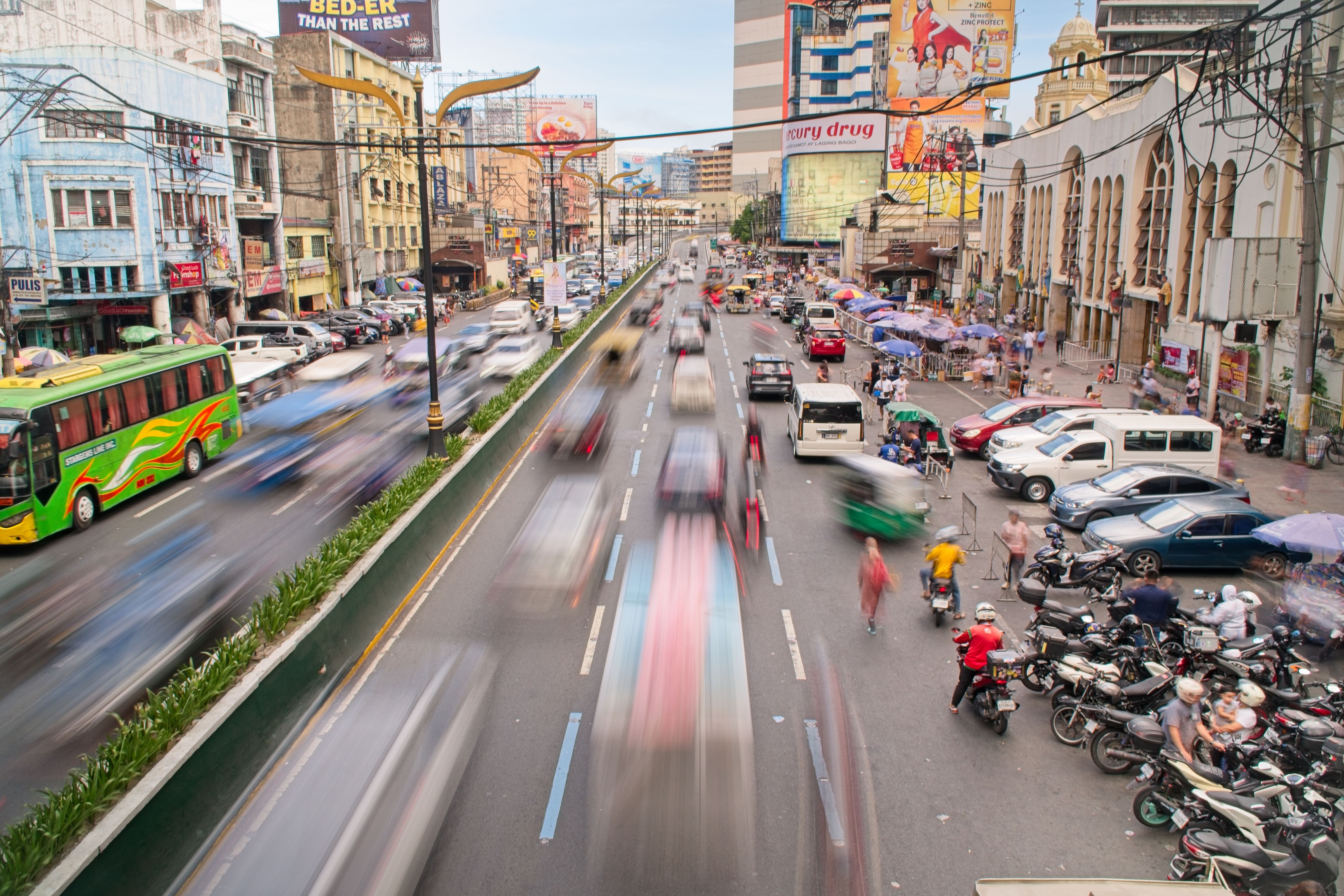
- Manila ranked 24th most congested city globally — in our live webinar poll, delayed scheduling and wasted fuel from idling were the top hidden costs Philippine fleet operators identified.
- Aerotrans achieved an 89% safety ranking and Shaziman Transport reduced incidents — both by making better operational decisions using connected fleet data, not by expanding their fleets.
Philippine fleet operators are managing in one of the toughest operating environments in Southeast Asia — volatile fuel prices, some of the worst urban congestion globally, and rising pressure to prove fleet ROI without adding headcount or vehicles. In August 2026, Geotab brought together fleet managers from across the Philippines for a live webinar — Driving Fleet Efficiency with Next-Gen Connected Mobility — to address these challenges directly. Here is what came out of it.
Takeaway 1: Fleet Management Software Is Not a GPS Tracker — The Gap Matters
One of the most important distinctions we made in the webinar is the difference between knowing where your vehicles are and understanding how they are being operated.
Fleet management software at Geotab's scale — processing over 100 billion data points per day from more than 6 million connected vehicles globally — means Philippine operators get access to driver behaviour analytics, fuel consumption patterns, safety reporting, and AI-powered video telematics, all from a single dashboard. Every stakeholder from operations to finance to senior leadership works from the same real-time information.
Predictive maintenance is one capability that illustrates this gap clearly. Breakdowns on remote routes mean downtime, towing fees, and missed deliveries — often without any warning. Geotab reads engine fault codes via CAN Bus in real time, interprets severity levels, and triggers alerts before a vehicle fails — giving fleet managers time to schedule maintenance before a breakdown occurs, not after.
Geotab ACE sits on top of this as the platform's AI assistant — fleet managers can ask questions in plain language and get instant answers, without building a single report manually.
In the webinar, we explored why the connection between these capabilities matters more than any single feature in isolation — and what that looks like for Philippine fleet operations specifically.
Takeaway 2: Traffic Congestion Is Costing Your Fleet More Than You Have Quantified
Traffic congestion does more than delay deliveries — every minute a vehicle spends idling is fuel burned with nothing to show for it. Driver siphoning compounds the problem: without fleet management software tracking consumption at vehicle level, unauthorised fuel use goes completely undetected, silently eroding margins until monthly bills start climbing without explanation.
Manila ranked 24th most congested city globally — and in our live webinar poll, when attendees were asked about the biggest hidden cost of traffic, delayed scheduling and turnaround time came out on top, followed closely by wasted fuel from constant idling. Both are measurable, and both are recoverable with the right data.
In the webinar, we explored how fleet management software gives Philippine operators real-time visibility into where fuel is being lost — and how that data translates directly into action.
Takeaway 3: Fuel Is the Fastest Cost to Attack — But Most Fleets Are Losing More Than They Realise
With the Philippines importing more than 95% of its crude oil and diesel prices remaining volatile, fuel is no longer just an operational concern — it is a survival issue for many logistics operators. Fuel accounts for 30 - 40 % of operating costs, making it the single largest controllable cost line on the P&L.
In the webinar, we covered how fleet management software surfaces the fuel losses most fleets never see coming — from excessive idling and inefficient routing to usage patterns that only become visible with vehicle-level data. The recording walks through how Geotab-connected fleets have turned that visibility into measurable savings.
Calculate your fleet’s fuel savings potential: Fleet ROI Calculator →
Takeaway 4: Driver Safety Require Video Evidence — Not Just Telematics Data
Metro Manila recorded nearly 86,000 road crashes in 2023, according to the Metropolitan Manila Development Authority. Industry studies consistently show that the majority of road incidents are linked to driver behaviour — speeding, harsh braking, distracted driving, fatigue, and mobile phone use. GPS data tells you where a vehicle was. It cannot tell you what the driver was doing in the moments before an incident.
In the webinar, we demonstrated how AI-powered video telematics goes beyond recording — interpreting driver behaviour in real time so corrective action can be taken before an incident occurs. The objective, as we stated in the session, is not more recordings. It is fewer accidents.
Learn more: GO Focus Plus → | The safety crisis on Philippine roads →
Takeaway 5: The Results Are Real — and Achievable Faster Than Most Managers Expect
We closed the webinar with two real-world examples from fleet operators across Southeast Asia who have deployed Geotab fleet management software — and the results speak for themselves.
Aerotrans, ground transport provider for the Garuda Indonesia Group, achieved an 89% safety ranking benchmarked against comparable regional fleets — alongside measurable improvements in idling and fleet utilisation, without adding a single vehicle.
Shaziman Transport, one of Malaysia's leading bulk petroleum fleets, moved from reactive to proactive fleet management — reducing incidents, improving vehicle uptime, and achieving significant operational savings through idling reduction.
Both outcomes share the same logic: better decisions from fleet management software data, not bigger fleets. Watch the recording or read the case studies to see how the numbers break down.
Read: Aerotrans case study → | Shaziman Transport case study →
Watch the Full Webinar and Speak to Our Team
The five takeaways above are the headlines. The frameworks, demonstrations, and worked examples are in the recording.
Watch the full webinar: “Driving Fleet Efficiency with Next-Gen Connected Mobility”
If you would like to explore how these strategies apply to your specific fleet size, routes, and challenges, our team is ready to walk you through the platform directly.
Frequently Asked Questions
Fleet management software connects every part of your operation — driver behaviour, fuel consumption, vehicle health, and safety reporting — into a single platform. GPS tracking tells you where a vehicle is. Fleet management software tells you why fuel costs are rising, which vehicles are at risk of breaking down, and which drivers need coaching. The webinar covered how each of these capability layers works together, and why the integration matters more than any single feature.
AI video telematics interprets driver behaviour in real time rather than simply recording after an incident. Fleet managers receive coaching insights without spending hours reviewing footage manually. As we stated in the webinar: the objective is not more recordings — it is fewer accidents.
Fuel accounts for 30 - 40% of operating costs for most transport companies. The most damaging leaks — excessive idling, inefficient routing, and unauthorised siphoning — often go undetected without vehicle-level visibility. Fleet management software surfaces all of these in real time, turning a hidden cost into a controllable one.
Yes. The session was structured to be practical for fleet managers at all stages — whether evaluating fleet management software for the first time or looking to get more from an existing deployment, regardless of fleet size or current technology maturity.
Watch the full recording to see how the case studies and platform capabilities were presented. If you want to explore how fleet management software applies to your specific routes, fleet size, and operational context, book a demo with our team.
Sharen is a Training Specialist, Global at Geotab
Table of Contents
- Takeaway 1: Fleet Management Software Is Not a GPS Tracker — The Gap Matters
- Takeaway 2: Traffic Congestion Is Costing Your Fleet More Than You Have Quantified
- Takeaway 3: Fuel Is the Fastest Cost to Attack — But Most Fleets Are Losing More Than They Realise
- Takeaway 4: Driver Safety Require Video Evidence — Not Just Telematics Data
- Takeaway 5: The Results Are Real — and Achievable Faster Than Most Managers Expect
- Watch the Full Webinar and Speak to Our Team
Related posts
What Is ADAS? A Guide to Driver Assistance Systems for Philippine Fleets
October 21, 2026
5 minute read
What Is a GPS Jammer? Detection and Protection in the Philippines
October 20, 2026
5 minute read

How to maximise vehicle utilisation with a fleet management system in Southeast Asia
October 1, 2026
3 minute read

How to Choose the Best Dashcam in the Philippines for Fleet Insurance Protection
August 20, 2026
4 minute read

How Commercial Fleets in Thailand Use Dashcam Video Telematics to Dispute False Claims
August 19, 2026
5 minute read