How to turn hidden fleet cost leaks into visible ROI in Southeast Asia
Discover how fleet telematics helps Southeast Asian operators identify and eliminate hidden cost leaks — from fuel waste to safety incidents — and turn operational data into measurable ROI.

By Geotab Team
Jun 18, 2026

Key Insights
- Hidden inefficiencies multiply across your fleet, quietly inflating fuel, maintenance, safety and optimisation costs.
- Telematics turns fleet performance question marks into clear data across all your vehicles and assets.
- With connected data, teams can act sooner, prevent issues from escalating and recover significant savings.
Fleet inefficiencies rarely show up as a single, obvious failure. Instead, hidden activities compound over time, slowing operational efficiency and driving up spend. For example:
- Unsafe driving behaviours, such as tailgating and texting, raise the risk of collisions, injuries and increasing insurance costs.
- Harsh braking wastes fuel and accelerates wear on vehicle tyres and brakes long before anyone notices the pattern.
- Delayed or missed maintenance checks quietly set up costly failures that pull key assets — like vehicles, trailers and generators — off the road.
- Idle or underused assets can be hard to track down, forcing teams to manually search for equipment and tools.
None of this feels urgent in the flow of daily operations. But multiplied across many fleet vehicles and assets, over weeks and months, small issues quickly compound into unruly — and unnecessary — costs.
It's possible to stem a steady flow of fleet inefficiencies. But first you need to understand where your team's budget-draining gaps, routines and behaviours are happening. Then, you need the right tools and reporting to keep them top of mind.
In this post, you'll learn about four hidden fleet inefficiencies that commonly drain money and see how telematics data can help you identify and plug the leaks — and move closer to truly efficient fleet management. You'll also access a free calculator that instantly estimates how much money your organisation can save by running your fleet on connected data.
Telematics data eliminates guesswork
Fleet management teams are operating in a pressure cooker of fluctuating fuel costs, tight schedules and a clear directive to do more with less. But when they can't see where their fleets are wasting money, it's hard to fix the problems. Enter telematics.
Telematics software collects real-time data from vehicles and other assets so fleet managers can see what's actually happening with fuel use, driving behaviours, mechanical issues, asset movement and more. It's the foundation of efficient fleet management — removing the assumptions, delays and blind spots that lead to cost creep.
Four cost leaks that hit fleets the hardest
The budget-draining inefficiencies in your fleet don't present as big events. Instead, they whisper at you from the operational shadows that are hard to measure. Here are four top areas of wasted spend that every fleet management team is up against.
1. Fuel costs
Fleet fuel costs aren't driven solely by market prices. Aggressive acceleration, harsh braking, unnecessary idling and poorly planned routes all push fuel consumption higher.
- In Thailand, diesel accounts for up to 40% of truck operating costs, and telematics can reduce fuel costs by 10–20%.
- In Indonesia, commercial vans in Jakarta waste 2.5 litres of fuel per hour idling, costing a 50-vehicle fleet around Rp 10.2 million monthly.
- In the Philippines, standstill traffic causes trucks to burn 4 litres of diesel per hour, costing fleets over ₱33,000 per vehicle monthly in idling waste.
How telematics data controls fuel costs
- Track idling trends: Idling reports show when and where stationary vehicles are burning fuel. Telematics data combined with reporting lets you compare drivers, spot seasonal spikes and see idling trends over a specific period of time.
- Expose wasteful driver behaviours: Telematics software captures problematic driving habits in the moments they happen. With the right solution, you can set speeding threshold rules and get notifications for incidents that require correcting and coaching.
- Keep an eye on engine health: Problems like underinflated tyres or clogged filters lower fuel efficiency. Telematics data helps you identify issues early and fix them, so vehicles don't continue to burn more fuel than necessary.
2. Maintenance misses
Many of the driving habits that boost fuel costs also wear out vehicle components faster. This leads to more unplanned repairs, parts that need replacing sooner and vehicles stuck in the shop when they should be on the road.
Well-run fleets depend on regular maintenance checks, but relying on fixed schedules doesn't match how vehicles are actually being used. Some assets end up over-maintained, while others go too long between service intervals and drift toward unexpected failures. In both cases, costly inefficiencies pile up.
Predictive maintenance changes this dynamic. It's rooted in real-time data and analytics to intelligently detect emerging issues before they bloom into disruptive fixes.
How telematics data supports predictive maintenance
- Make maintenance decisions based on issue urgency instead of calendar events.
- Preserve safety and extend fleet lifespan through early detection and action.
- Optimise spend by avoiding surprise repairs and repeated shop visits.
Delayed maintenance. Wasted fuel. Unsafe driving. How much money is your fleet quietly leaking?
Use the free ROI calculator to see your true saving potential.

3. Safety and collision risks
Risky driving habits don't feel like a budget problem until they result in a collision. Behaviours like speeding, tailgating and texting while driving dramatically raise incident risk.Road safety data across the region underscores the scale of the challenge:
- ASEAN-wide: Road accidents cost ASEAN economies an estimated USD 15 billion annually . Drivers using mobile phones are four times more likely to crash — a risk compounded by the high-density urban traffic common across Southeast Asia.
- Thailand: Over 17,000 people were killed in road traffic accidents in 2024, with speeding accounting for 39% of incidents — one of the highest fatality rates in Asia.
- Indonesia: Over 100,000 traffic accidents are recorded annually, costing the economy an estimated USD 38 billion in 2021.
- Philippines: Road crash fatalities rose 35% in 2024 to 2,747 deaths, with 87% of incidents caused by reckless driving including speeding and mobile phone use.
- Singapore: Traffic accidents resulted in 9,955 injuries in 2025, with an increasing focus on smart urban mobility and advanced telematics to address rising concerns like distracted driving.
- Malaysia: According to the Royal Malaysia Police and Asian Transport Observatory, road fatalities reached 6,473 in 2023, driving fleet operators to increasingly integrate AI-powered dashcams to monitor driver fatigue and harsh driving behaviours.
Regulations across the region increasingly hold fleet operators responsible for safety across the transport chain.
When incidents occur, fleets face real financial consequences: repairs, insurance claims, liability exposure and lost vehicle availability.
How telematics data improves fleet safety
- Aerotrans, one of Indonesia's leading transport operators, partnered with Geotab to target a 78% reduction in incidents across 700+ vehicles — demonstrating what connected safety data can achieve at scale
- Take meaningful action, fast, with real-time safety violation and collision notifications.
- Use driver safety reporting and scorecards to identify risky drivers, top performers and opportunities to better target coaching, recognition and incentives.
- Receive alerts about high-severity or repeated events and provide in-cab coaching through tools like Geotab's GO Focus Plus AI dash cam. Drivers get immediate feedback and correction in the moments that matter.
- Take advantage of AI-powered predictive collision analytics to better anticipate and reduce incidents.
4. Poor asset utilisation
Fleet assets don't always get used the way teams intend. Equipment and vehicles sit idle, work is stalled waiting for equipment that isn't ready and teams spend time searching for assets they expected to be available. Across an entire fleet, these pockets of downtime add up to significant lost output.
How telematics data helps with asset tracking and utilisation
- Get precise GPS tracking to see the location and availability of critical assets, including generators, trailers, vehicles and other equipment.
- See data on engine hours and equipment usage to determine which assets are being used, which are available and which are at risk of exceeding usage thresholds.
- Prevent loss and theft by setting up geofences to get instantly notified if an asset goes beyond defined boundaries.
How Aerotrans achieves efficient fleet management with Geotab
Managing ground logistics for an airline group requires absolute precision, which is exactly why Aerotrans integrated Geotab’s connected fleet solutions across its massive 250+ vehicle operation. Moving flight crews and logistics teams across Indonesia meant that real-time visibility was non-negotiable. Since deploying the platform, Aerotrans has successfully turned data into actionable safety improvements—cutting predicted collision rates by 61% and idling times by 22%. By utilising tools like geofencing around key airport zones and custom crew address mapping, they've proven that smart telematics are the secret to keeping ground operations running as smoothly as the flights they support.
See just how much your fleet can save
Despite their differences, fleets across industries and the public sector lose money in the same hard-to-see places. Telematics software is an effective tool for measuring and managing your fleet blind spots. But before you invest in a solution, you need the data to build a strong business case.
Use Geotab's free ROI Calculator to see how much more cost-efficiently your fleet can run with truly connected fleet intelligence.
Frequently Asked Questions
The four most common hidden fleet costs are fuel waste from inefficient driving habits, unplanned maintenance failures, collision-related expenses and poor asset utilisation. These issues often go unnoticed until they compound into significant budget losses.
Telematics tracks idling time, aggressive driving patterns and engine health in real time. By surfacing this data, fleet managers can coach drivers, set behavioural thresholds and address mechanical issues before they cause excess fuel consumption.
Telematics enables predictive maintenance by detecting patterns and thresholds that indicate emerging issues. Instead of following a fixed calendar schedule, maintenance decisions are based on actual vehicle usage and condition — reducing surprise breakdowns and unnecessary servicing.
Geotab's fleet safety solutions have delivered significant results across SEA. Aerotrans, one of Indonesia's leading transport operators, partnered with Geotab targeting a 78% reduction in incidents across 700+ vehicles. Real-time driver coaching, safety scorecards and AI-powered predictive collision analytics work together to lower incident risk across the region.
Geotab's free ROI Calculator takes your fleet's basic inputs and estimates the savings available from connected telematics — covering fuel, maintenance, safety and asset utilisation. It provides a data-backed business case in minutes.
The Geotab Team write about company news.
Related posts
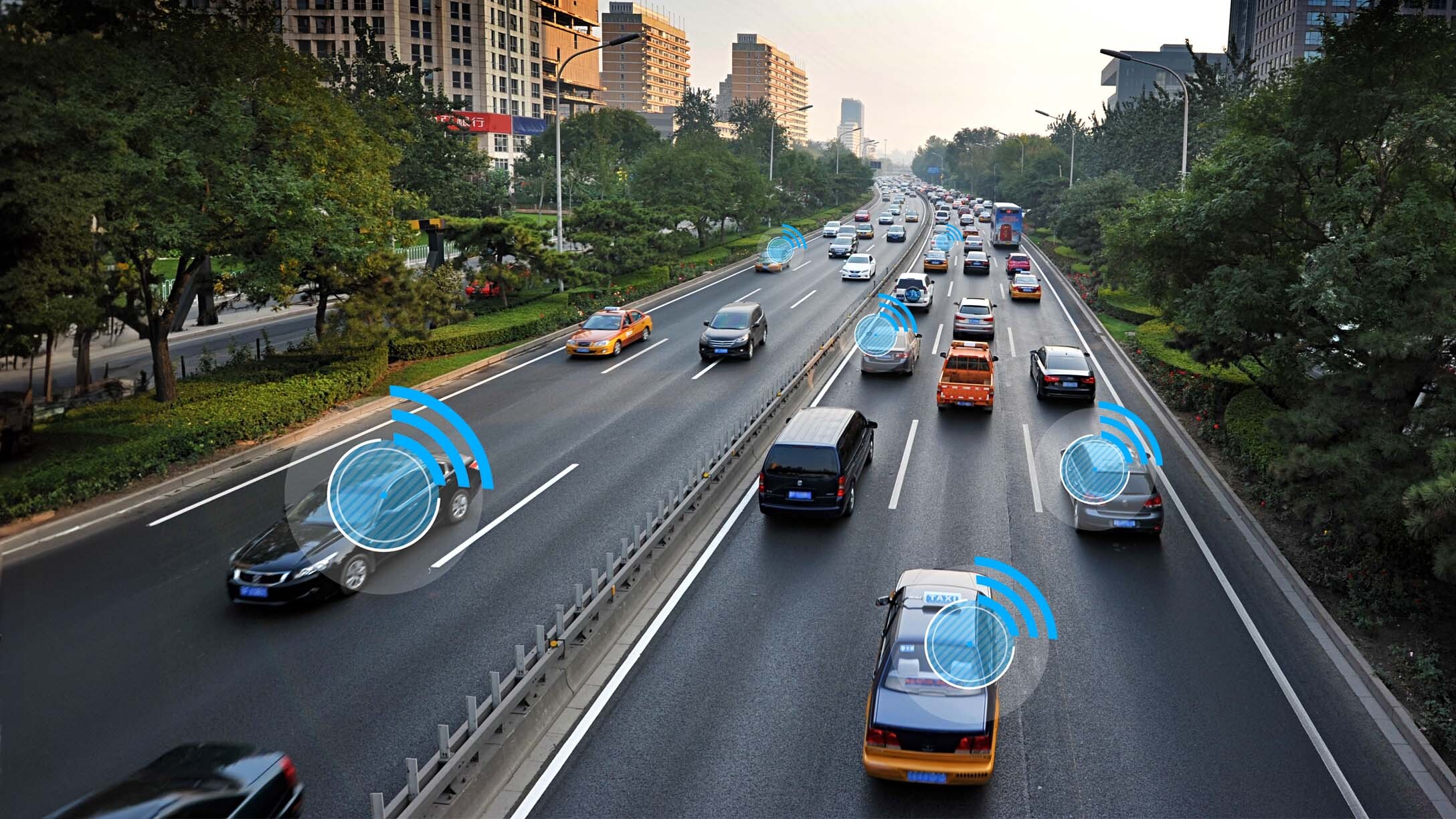
What Is ADAS? A Guide to Driver Assistance Systems for Philippine Fleets
October 21, 2026
5 minute read
What Is a GPS Jammer? Detection and Protection in the Philippines
October 20, 2026
5 minute read

What the Geotab and TAPA Webinar Reveals About Fleet Safety Management
October 2, 2026
2 minute read

How Driver Safety Scorecards and AI Video Telematics Are Improving Fleet Safety in Southeast Asia
September 28, 2026
5 minute read
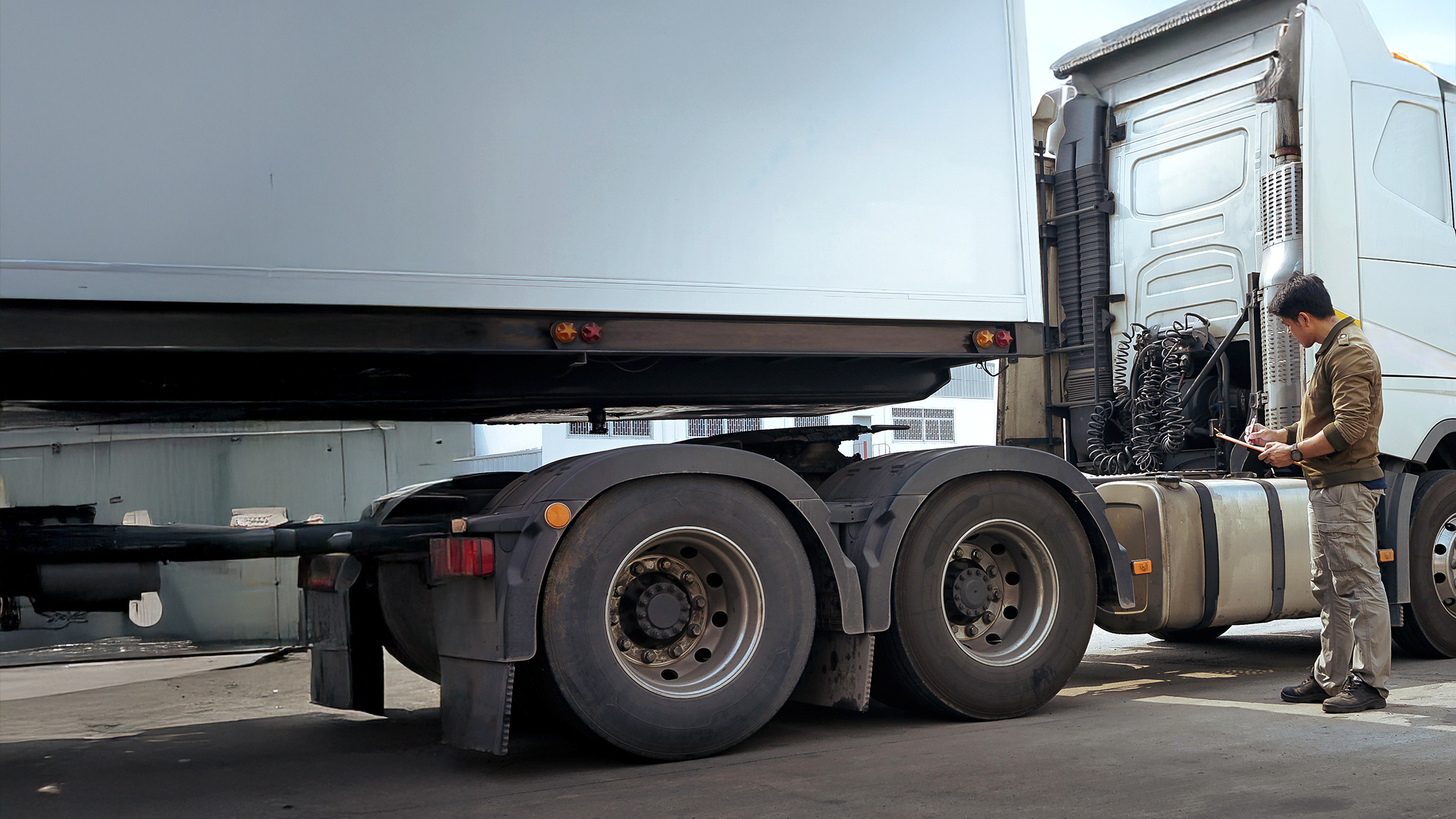
From punishment to performance: How Southeast Asia’s fleet operators are rethinking driver coaching
September 16, 2026
5 minute read

How to Choose the Best Dashcam in the Philippines for Fleet Insurance Protection
August 20, 2026
4 minute read