How to Manage the 2026 Indonesia Fuel Crisis: Strategies for Fleet Efficiency
Indonesia's 2026 fuel crisis is defined by strict quotas and B40 maintenance risks. Fleets must use AI telematics to track compliance, manage filters, and cut costly idling waste.

By Geotab Team
Oct 6, 2026
Key Insights
- The Rp16.800 "Price Cliff": Exceeding your daily subsidized quota forces a switch to Dexlite, instantly spiking fuel costs by over Rp 16.800 per litre. Real-time quota tracking is now a financial necessity.
- Data-Backed Compliance: Under Decree No. 024/2026, your fleet’s MyPertamina digital ID is your lifeline. Matching internal telematics to government caps prevents mid-journey lockouts at the pump.
- B40 Maintenance is Non-Negotiable: The high-moisture, solvent nature of B40 biodiesel turns fuel filters into high-wear parts. Predictive diagnostics at the 5,000km mark are 3x cheaper than a roadside breakdown.
- The Idling Tax: Jakarta is the world’s 24th most congested city. Cutting just 30 minutes of daily idling per vehicle can save a 50-truck fleet over Rp 5 million per month.
- AI vs. GPS: In 2026, basic tracking isn't enough. AI platforms like Geotab are required to distinguish "True Idling" from "Operational Idling" to recover lost margins.
As of April 2026, Indonesia's logistics sector faces a critical fuel crisis driven by a $120/barrel global oil peak and the enforcement of BPH Migas Decree No. 024/2026. Fleet managers must now navigate strict daily subsidized fuel caps (50L–200L), a mandatory B40 biodiesel transition, and Jakarta’s ranking as the 24th most congested city globally. Success in 2026 requires transitioning from reactive tracking to AI-driven telematics and predictive maintenance.
Navigating the New Subsidized Fuel Quotas (Decree No. 024/2026)
Effective April 1, 2026, the Indonesian government officially restricted subsidized fuel purchases via the MyPertamina digital system. This regulation aims to protect the state budget from global price volatility by ensuring "targeted distribution."
What are the current daily fuel limits in Indonesia? Under Decree No. 024/2026, the daily maximum allowance for subsidized Pertalite and Biosolar is:
- Private 4-wheeled vehicles: 50 litres per day.
- Public transport & ambulances: 80 litres per day.
- Large trucks (6+ wheels): 200 litres per day.
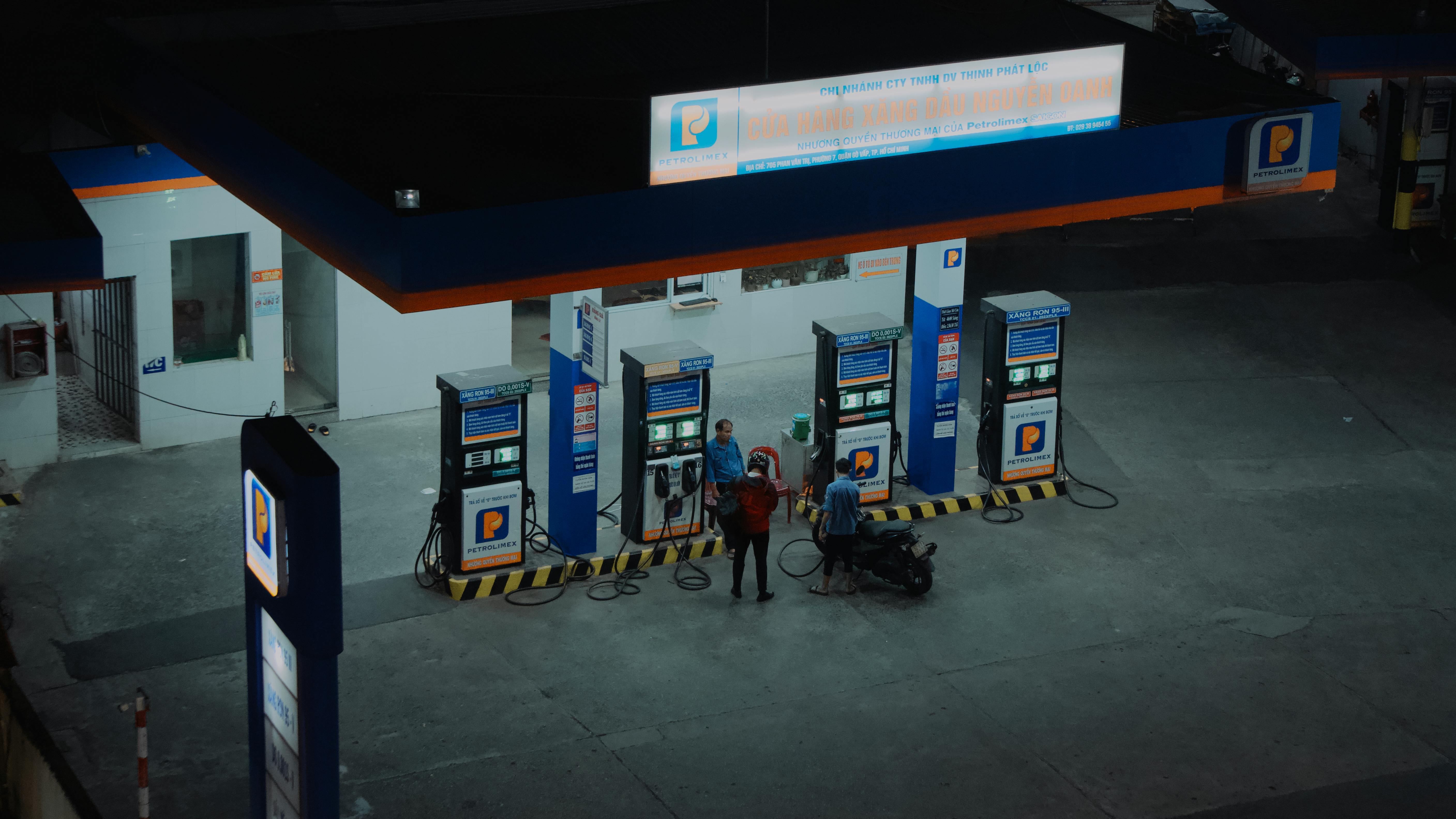
For a commercial fleet, crossing these limits forces a switch to non-subsidized fuel like Dexlite, which currently sits at Rp 23.600 per litre (as of 18 April). This creates a "price cliff" of over Rp16.800 per litre compared to subsidized Biosolar (Rp 6,800/L). Logistics companies failing to optimize routes to stay within these quotas are seeing operational costs spike up.
Managing the B40 Biodiesel Transition and Maintenance
Indonesia has maintained its B40 biodiesel mandate through 2026 despite rising palm oil prices. While this reduces diesel imports, the high fatty acid methyl ester (FAME) content presents unique technical challenges for fleet maintenance.
Technical Risks of B40 Fuel:
- Hygroscopicity: B40 attracts moisture more aggressively than standard diesel, leading to microbial growth and fuel system corrosion.
- Solvent Properties: The blend acts as a cleaning agent, loosening old sludge from fuel tanks which results in rapid filter plugging.
To mitigate these risks, GAIKINDO recommends that commercial fleets shorten their fuel filter replacement intervals to every 5,000 km. Ignoring this can lead to injector failure and engine hesitation, causing unplanned downtime that costs fleets millions in missed deliveries.
The Financial Impact of Jakarta’s Traffic Congestion
Fuel is no longer just the cost of moving goods; in 2026, it is the cost of standing still. The 2025 TomTom Traffic Index (released Jan 2026) ranks Jakarta as the 24th most congested city in the world.
Jakarta Traffic Stats at a Glance:
- Average time for 10km: 26 minutes and 19 seconds.
- Congestion level: 59.8% (a sharp rise from 2024 levels).
- Idling Waste: A standard commercial van wastes 1.5 to 2.5 litres of fuel per hour of idling.
For a fleet of 50 vehicles, just one hour of daily idling per truck results in a monthly loss of approximately Rp 10.2 million in wasted fuel. In a low-margin industry, reducing "Engine Idle Time" is now the fastest way to recover lost profit.
Solving the Crisis with Geotab AI-Driven Telematics
Traditional GPS tracking is no longer sufficient to combat the 2026 fuel crisis. Fleet managers are shifting toward telematic platforms like Geotab to gain control over consumption and maintenance.
Fuel Management
With the MyGeotab Fuel dashboard, fleet managers can move beyond manual receipts and review trip-level fuel reporting.
Combating Jakarta’s Idling with Real-Time Coaching
To tackle the Rp 10 million monthly loss caused by idling, utilise GO Focus Plus in-vehicle coaching.
- Idling Insights: Differentiates between "True Idling" (unnecessary engine run) and "Operational Idling" (running a PTO or refrigeration unit), ensuring coaching is fair and data-driven.
Predictive Maintenance for the B40 Era
The B40 transition requires a shift from "scheduled" to "predictive" maintenance. Geotab’s engine diagnostics monitor real-time fault codes and fuel pressure drops—early indicators of a plugged filter.
- Automated Maintenance Reminders: Set reminders based on actual engine hours or mileage to ensure B40-specific service intervals are never missed.
- Breakdown Prevention: By identifying "Highest Risk of Breakdown" vehicles via AI benchmarking, managers can replace filters before a truck stalls in the middle of Jakarta's traffic, avoiding expensive towing and lost delivery windows.
Turning Data into a Competitive Advantage
The 2026 fuel landscape in Indonesia is no longer forgiving of inefficiency. With the strict enforcement of Decree No. 024/2026 and the technical complexities of B40 biodiesel, fleet managers who rely on manual logs and reactive maintenance are operating at a severe disadvantage. The "price cliff" between subsidized and market-rate fuel is too steep to ignore.
To survive this crisis, the path forward is clear: data-driven optimization. By integrating AI-powered solutions like Geotab, logistics companies can regain control over their fuel spend, eliminate idling waste, and master the new maintenance requirements of a greener fleet. In 2026, the most profitable fleets won't just be the ones that drive the most miles, but the ones that make every drop of fuel count.
Request a demo today to start transforming your fleet's efficiency.
Frequently Asked Questions
The limit is strictly enforced via the MyPertamina QR Code system. Each vehicle's license plate is linked to a digital ID that tracks daily purchases across all Pertamina stations nationwide.
Yes, provided they are registered in the MyPertamina system and stay under the 200-litre daily limit. Once exceeded, the pump will automatically lock for that vehicle until the next day, requiring the use of Dexlite or Pertamina Dex.
As of April 2026, the government has ruled out a price hike for Biosolar and Pertalite, choosing instead to enforce consumption caps to manage the national subsidy budget.
Most major manufacturers in Indonesia have updated their service manuals to accommodate B40, but many stipulate that regular fuel filter maintenance is mandatory to keep the warranty valid.
The Geotab Team write about company news.
Related posts
How to Choose the Best Dashcam in the Philippines for Fleet Insurance Protection
August 20, 2026
4 minute read
How Commercial Fleets in Thailand Use Dashcam Video Telematics to Dispute False Claims
August 19, 2026
5 minute read
How fuel tracking and transaction controls help Philippine fleets manage costs in a volatile market
June 22, 2026
2 minute read

How to turn hidden fleet cost leaks into visible ROI in Southeast Asia
June 18, 2026
5 minute read
.jpg)
Geotab GO Focus Plus Camera Rules, Thresholds, and Event Buffers Explained
May 20, 2026
2 minute read