How to choose a fleet dashcam for commercial fleets in Australia and New Zealand
Learn how to select a fleet dash cam system tailored for Australian conditions. Explore key features like CoR compliance, drowsiness detection, and in-cab alerts to optimise safety and maximise ROI.

By Geotab Team
Feb 17, 2026
Key Insights
- Proactive AI-powered safety: Dashcams and video telematics powered by AI moves fleet management from reactive to proactive by detecting risks like distraction and drowsiness in real time for immediate self-correction.
- Measurable ROI: Implementing an integrated dash cam solution demonstrably improves safety and reduces costs. Fleets adopting these systems have seen a 13% reduction in severe safety alerts and a 10% decrease in traffic accidents.
- Compliance and culture: Integrated video telematics can help meet Chain of Responsibility (CoR) obligations and foster a culture of transparency and coaching rather than punishment.
Selecting the right dash camera for your fleet begins with a clear understanding of your safety objectives, vehicle types, and driver support workflows. In Australia and New Zealand, effective implementation goes beyond simple recording; it is about fostering a culture of safety and transparency.
Local fleets utilising camera-based feedback programmes have reported up to an 86% reduction in vehicle collision costs. Before comparing hardware, it is essential to understand how these tools support daily operations while meeting local regulatory requirements.
What is a fleet dash camera?
A fleet dash camera is a high-definition recording device tailored for light commercial and heavy vehicles. These systems capture footage of road events and driver behaviour, providing fleet managers with objective data for risk mitigation.
In Australia, these systems are increasingly vital for supporting driver safety, reducing liability during incidents, and providing incontestable evidence for insurance claims.
What is video telematics?
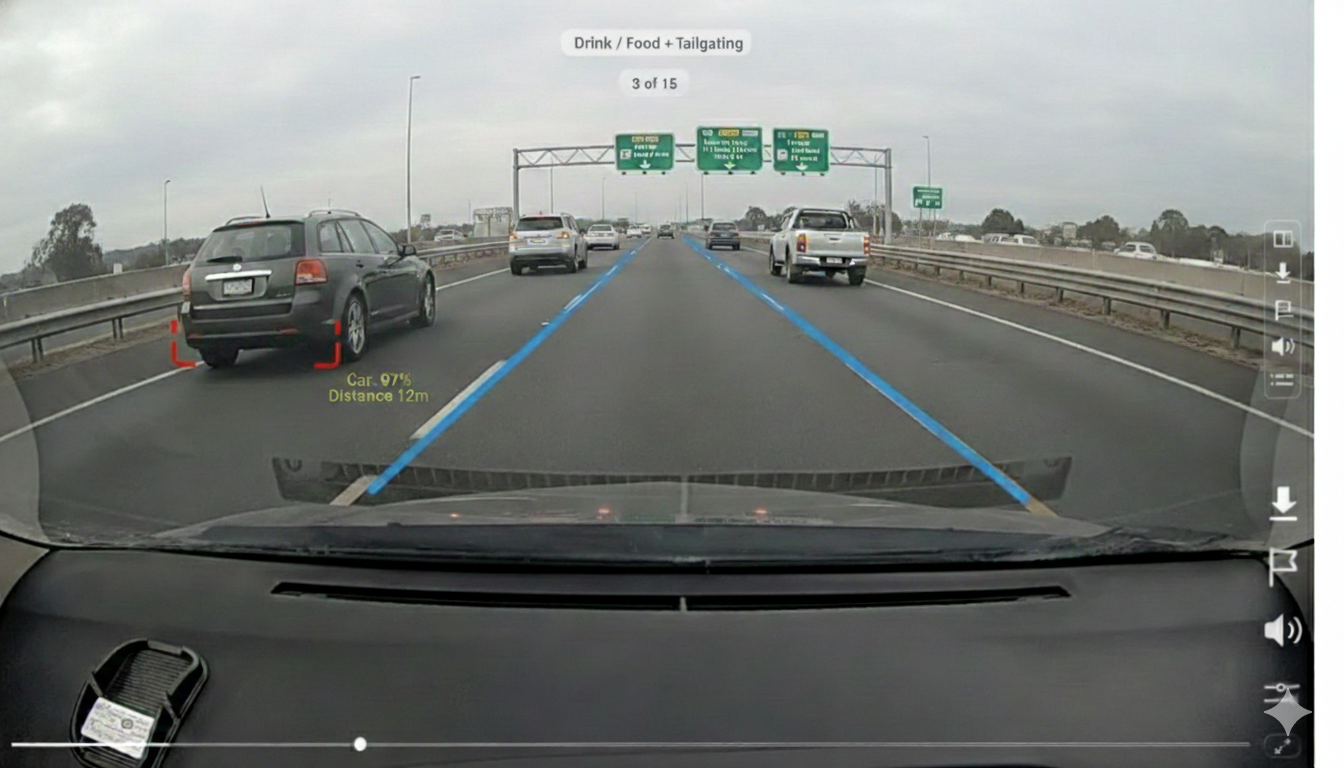
Video telematics combines AI powered dash cams with vehicle sensors, like GPS and engine diagnostics, to give you the "why" behind the data. By syncing HD footage with real-time alerts for behaviors like distracted driving or harsh braking, you move beyond simple tracking to a complete view of fleet safety and performance.
This integration turns raw data into actionable insights, helping you protect drivers with instant evidence while optimising routes and fuel efficiency. It’s a complete picture that allows you to manage safety, maintenance, and operations in one streamlined system.
What key features should you look for in a fleet dash cam or video telematics?
The right combination of hardware and software ensures that video evidence integrates seamlessly into your operations without creating administrative bottlenecks.
Video quality and night Vision
High-definition video (1080p or higher) and infrared night vision are essential for capturing actionable evidence regardless of weather or lighting conditions. While standard cameras may struggle in rain or cabin darkness, a system with wide-angle lenses and infrared LEDs ensures that details remain legible. This superior image clarity is often the deciding factor in exonerating a driver and protecting the fleet from false liability claims.
Real-time alerts and AI-powered detection
AI-powered cameras shift safety from reactive to proactive. By detecting high-risk behaviours in real time, the system allows drivers to self-correct. Key behaviours detected include:
- Distracted driving (e.g., mobile phone use)
- Tailgating and proximity warnings
- Harsh braking or cornering
- Signs of fatigue or microsleeps
Driver support and behaviour monitoring
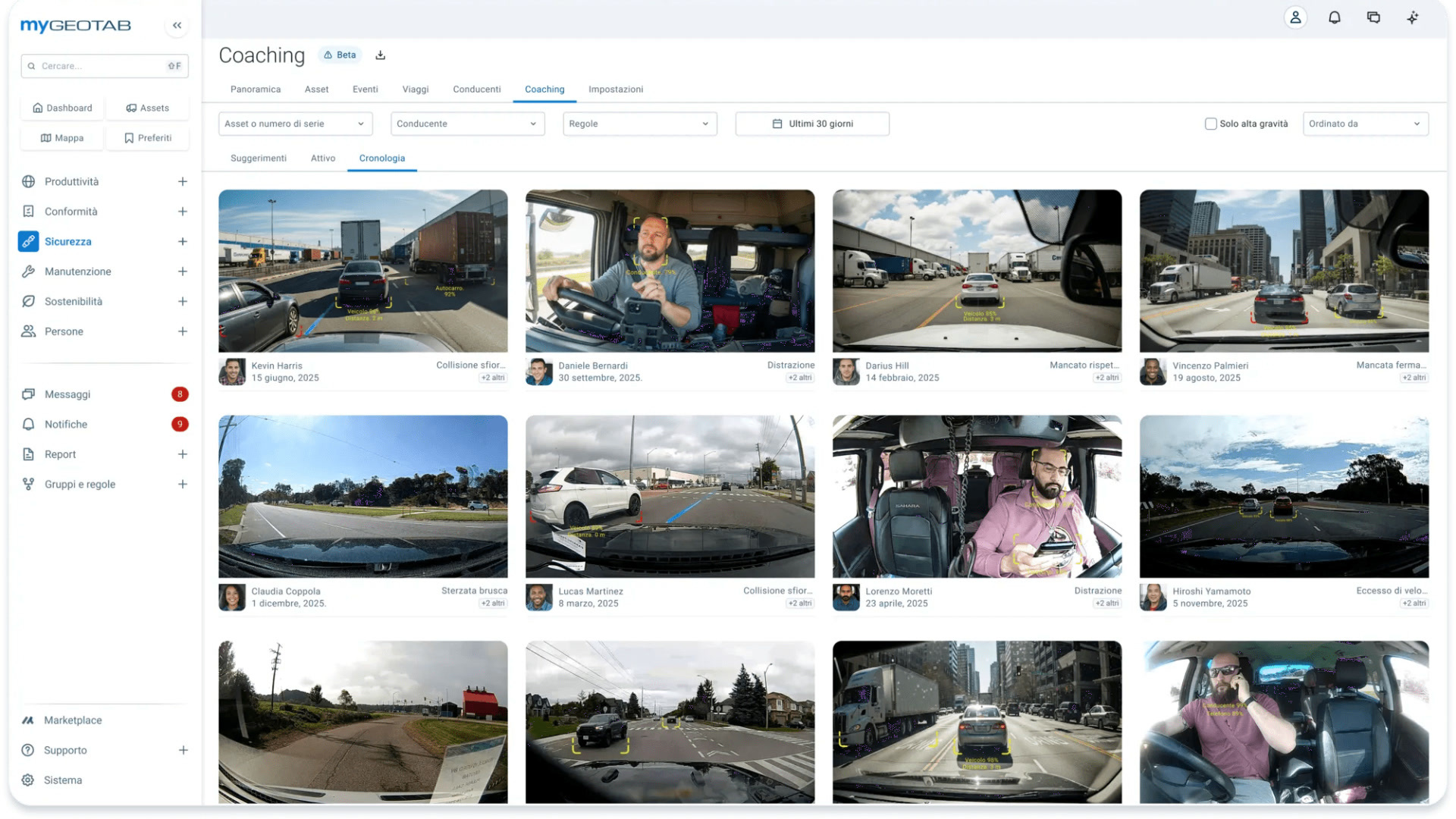
Rather than punitive measures, video data should be used for consultative driver coaching. By reviewing real-world scenarios, managers can help drivers optimise habits like speed management and idling. This focus on reliability and support builds a stronger safety culture and produces measurable cost-reduction through improved fuel efficiency and reduced wear on heavy vehicle components.
Driver coaching is important because it improves overall fleet safety and performance. It also helps fleets:
- Reduce speeding
- Reduce idling
- Increase fuel efficiency
- Increase seat belt use
- Reduce engine wear and tear
Cloud Storage and Data Accessibility
Cloud storage allows managers to retrieve footage remotely via secure, encrypted access. Automated uploads ensure that evidence is tamper-proof. This allows Australian operators to share proof with insurers within minutes of an incident, significantly accelerating the claims process.
There are many benefits to using cloud storage, which may include::
- Instant access: Review and share critical footage from anywhere, immediately after an event
- Tamper-proof: Evidence is safe, secure, and encrypted in the cloud
- Reliable: Eliminates the risk of footage being lost, damaged, or overwritten
- Fast reporting: Speeds up the claims process by providing immediate proof to insurers
Compliance: Australian Privacy Principles and Chain of Responsibility (CoR)
In Australia, data security must align with the Australian Privacy Principles. Look for "privacy-by-design" features, such as customisable audio recording toggles and restricted access controls, to ensure your fleet respects driver privacy while maintaining safety standards.
Furthermore, integrated video telematics supports your Chain of Responsibility (CoR) obligations under the Heavy Vehicle National Law. By actively monitoring and managing fatigue and speed, transport operators can demonstrate they are taking all reasonable steps to ensure road safety.
Integration with Telematics Systems
Leading dash cams and video telematics solutions, including the GO Focus Plus, available on the Geotab Marketplace, support direct or even native integration with telematics platforms, consolidating vehicle stats and video into a single centre.
| Feature | Standalone dashcams | Integrated video telematics solution |
|---|---|---|
| Data View | Separate platform for video | Unified platform for video and telematics |
| Workflow | Manual data correlation | Automated alerts and reporting |
| Analysis | Video footage only | Holistic view (speed, location, vehicle health) |
What are the Benefits of Implementing Fleet Dash Cameras or Video Telematics?
The primary benefits of implementing dash cams in Australia go beyond simple surveillance; they are financial, operational, and safety-related. Fleets that adopt these systems see quantifiable improvements, including significant drops in severe safety alerts and collision costs.
Key benefits for Australian operators include:
- Risk Mitigation: Proactive alerts for fatigue and distraction help prevent accidents on long-haul routes before they occur.
- Insurance and Liability Support: High-definition video evidence protects your business against false claims and "crash-for-cash" scams, helping to stabilise or reduce insurance premiums.
- Improved Driver Coaching: Managers can use real-world footage for targeted, consultative training rather than relying on generic safety advice.
- Chain of Responsibility (CoR) Defence: Incontestable video proof demonstrates that your organisation is taking "all reasonable steps" to manage driver fatigue and speed, a critical component of HVNL compliance.
- Positive Safety Culture: Fosters driver accountability and transparency, which can improve driver retention in a competitive labour market.
How to assess your fleet’s needs
Conducting a risk assessment focused on your specific routes and vehicle mix is the first step toward reliability.
| Operational Challenge | Recommended Dash Cam Feature |
|---|---|
| High incident frequency | AI-detection and dual-facing cameras for root cause analysis and real-time driver feedback. |
| Remote/Regional routes | GPS integration and high-quality sensors for detecting wildlife in night light conditions. |
| Unapproved vehicle use | Cloud storage and instant alerts for secure monitoring. |
| Diverse vehicle mix | Modular designs for both light commercial and heavy vehicles. |
What to Look for in a Fleet Dash Camera System
Once your operational needs are defined, compare products based on fit, reliability in Australian conditions, and future scalability. It is critical to look for modular designs and software flexibility; these allow organisations to "future-proof" their investment.
Use the following criteria to evaluate and compare potential vendors:
- Video Quality: Is the resolution sufficient to read number plates and road signs in low-light conditions?
- AI Capabilities: Does the system use AI to detect behaviors relevant to your specific safety goals (e.g., mobile phone use or drowsiness)?
- Proactive Intervention: Does the camera provide feedback to the driver before a hard brake, or only send alerts to the office after? Your goal is to prevent the incident, not just review the footage of it.
- Trigger Sensitivity: Does it detect distraction behaviors without requiring a physical trigger? Risky habits like texting often happen smoothly, without the sudden jolt or hard brake that legacy cameras rely on.
- Integration: Is this video data fully integrated with your current telematics platform? You shouldn’t have to manage two separate logins or pay “integration taxes” to see your safety and maintenance data in one place.
- Total Cost of Ownership (TCO): Look beyond the sticker price to include installation downtime, data costs, and hardware durability against Australian heat and dust.
Selecting the Right System
Follow this step-by-step process to select the right system for your fleet:
- Assess Fleet Needs: Analyse route complexity (metro vs. regional) and historical incident data.
- Prioritise Features: Determine if dual-facing cameras or AI detection are non-negotiable.
- Compare system options: Evaluate vendors based on video quality, AI capabilities, cloud storage, integration options and data compliance safeguards.
- Request Demos: See how the system handles Australian conditions and local data compliance.
- Decide on Long-term ROI: Select a scalable solution based on total cost of ownership, including data costs and hardware durability.
Take a look at Geotab’s dash cam selection tool to compare your options.
Maximising ROI in the Australian Market
Fleets maximise their return on investment by using dash cams as consultative tools. When combined with analytics, video data drives value across three pillars:
- Cost-reduction: Exonerating drivers from false claims, lowering insurance premiums, and reducing fuel consumption.
- Safety Milestones: Achieving a tangible reduction in accident rates and severity.
- Operational Reliability: Improving driver retention through fair, evidence-based support rather than guesswork.
Learn more about Geotab's AI-powered video telematics solution
Frequently Asked Questions
Prioritise an all-in-one solution that combines HD video and infrared night vision with AI detection and cloud connectivity. Essential to this is telematics integration, which centralises all video and vehicle data into one platform, making it easier to manage fleet safety and compliance requirements.
Video telematics captures risky events, provides drivers with instant in-cab feedback, and supports consultative coaching. This leads to fewer accidents, lower insurance premiums, and reduced liability costs. In the Australian market, they also provide critical evidence to exonerate drivers from "not at fault" incidents.
Yes, dash cameras are legal, but it is important to follow privacy laws and use systems with customisable settings to ensure compliance with regulations. Generally, this means you must notify drivers that they are being recorded (often via signage in the cab) and have a clear policy on how the footage is used. It is recommended to choose a system with customisable privacy settings to ensure compliance.
Most enterprise fleet dash cam systems use cloud storage, providing secure, encrypted access for authorised fleet managers to retrieve and review footage from any location. This ensures data sovereignty and security, which is critical for meeting Australian data protection standards.
Many dash camera solutions are designed to integrate directly with fleet management platforms. This allows for unified access to video, telematics data, and driver behaviour analytics in a single centre, eliminating the need to toggle between different screens. Geotab's GO Focus Plus is natively integrated into Geotab's fleet management software, for a complete view of your fleet, all in one platform.
The Geotab Team write about company news.
Table of contents
- What is a fleet dash camera?
- What is video telematics?
- What key features should you look for in a fleet dash cam or video telematics?
- Driver support and behaviour monitoring
- What are the Benefits of Implementing Fleet Dash Cameras or Video Telematics?
- How to assess your fleet’s needs
- What to Look for in a Fleet Dash Camera System
- Selecting the Right System
- Maximising ROI in the Australian Market
Related posts

Why the new Heavy Vehicle National Law makes vehicle telematics and digital systems essential
March 30, 2026
4 minute read
AI dash cams vs. traditional: Which delivers better fleet safety?
March 5, 2026
5 minute read
Telematics trends for 2026: What is changing and how Australian fleets can respond
January 30, 2026
7 minute read

What is predictive maintenance (PdM)? Benefits, challenges & examples for fleet management
January 26, 2026
7 minute read
Fuel efficiency techniques every transport operator should know
December 2, 2025
3 minute read