Why the new Heavy Vehicle National Law makes vehicle telematics and digital systems essential
The HVNL 2026 reforms strengthen safety accountability and mandate a Safety Management System (SMS). Telematics is essential for operators to meet new evidentiary standards and unlock productivity gains.

By Geotab Team
Mar 30, 2026

Key Insights
- The 2026 HVNL reforms strengthen safety accountability for transport operators and other parties in the chain of responsibility.
- The laws will significantly increase the compliance burden, especially for operators who are not using digital technologies that enable information in real-time.
- Telematics and digital solutions will become crucial to meet suggested controls against the activities listed in the 2026 NHVR Master Code of Practice.
- For those accredited in NHVAS, there is a phased transition period.
- Transport operators who are not accredited will need to review and strengthen their safety systems ahead of the new HVNL, expected to take effect in July 2026.
The Heavy Vehicle National Law (HVNL) Amendment Act marks a major shift in Australia’s regulatory framework. It significantly strengthens safety accountability across the entire transport supply chain.
To prepare, transport operators should familiarise themselves with available digital technologies before the new rules take effect. Common digital solutions include telematics certified by Transport Certification Australia (TCA), cameras used to monitor fatigue and distraction events, and electronic work diaries (EWDs). Businesses relying on manual paperwork may find compliance increasingly difficult.
The right telematics solution is essential to navigating the new reform obligations with confidence. Solutions include:
- GPS telematics: Real-time location tracking, along with digital forms for pre-start inspections and fit-to-drive declarations, help monitor vehicle defects, maintenance schedules and driver health and safety.
- Logmaster EWD (Geotab marketplace partner): Australia’s premier NHVR-approved Electronic Work Diary, designed to replace paper logbooks entirely and provide easy to access digital driver fatigue management
- Integrated Ecosystem: View Logmaster EWD data, vehicle and driver health in one solution, via single sign-on to My Geotab.
- Scalable solutions: Start with basic data you can use for digital evidence and integrate to back office software platforms allowing manual reporting tasks to be automated.
What is the 2026 HVNL Master Code?
The 2026 Master Code is an industry-wide guide released by the National Heavy Vehicle Regulator (NHVR) in January 2026.
While the Act provides the legal framework, the Master Code provides a practical "blueprint" for businesses to meet their obligations.
What are the 2026 HVNL changes?
Australian Federal Government statistics show that there have been at least 30 road deaths involving heavy vehicles every quarter since 2020. The HVNL reforms are aimed at improving safety. The most significant include:
- Proactively manage risk: A structured, documented safety system will become the mandatory framework. All operators must proactively manage safety across their transport business. This will apply to every party in the chain of responsibility.
- Expanded fit-to-drive duty: The standard has been expanded to cover mental health, fitness, illness and injury.
- Assessment: Safety systems must be present, suitable, operating and effective. This places a high evidentiary burden on operators still using paper-based systems.
These new standards make digital telematics a critical tool to de-risk a transport operation. Once the new HVNL Master Code is introduced in July 2026, the standard will no longer be what you actually knew, but what you “ought to have known”. Digital records which can be easily accessed for evidence are making paper-based record keeping, time-consuming, cumbersome and high risk.
When does HVNL come into effect?
Operators accredited with the National Heavy Vehicle Accreditation Scheme (NHVAS) will transition to General Safety Accreditation (GSA) once their NHVAS accreditation expires.
Everyone else must comply with the new requirements once the updated HVNL takes effect, currently expected in July 2026. There is no grace period once the law takes effect.
Businesses must act now to build a scalable, evidence-based safety system to avoid being caught out.
- Explore Geotab’s heavy transport and logistics fleet management solutions
- Deliver more with advanced telematics
What should I know about the new safety framework?
A Safety Management System (SMS) is a structured framework to identify risks in your business, implement controls, monitor and constantly improve.
Under the 2026 reforms, an SMS will be required for transport operators seeking GSA.
According to the National Road Transport Association, “your SMS can’t be something you set up once and forget.” It must be kept up to date with evidence of ongoing monitoring.
Telematics solutions help by providing real-time digital evidence of driver fatigue, vehicle health and mass compliance.
“Proving compliance will be much harder when using paper — transport operators must prove they are actively managing risk. In the case of an incident, you have a much stronger defence with digital, verifiable and auditable evidence,” said Andrew Hintz, Associate Vice President for Heavy Transport, APAC.
How are fit-to-drive declarations changing?
The 2026 Master Code says drivers “have an explicit duty to avoid driving a heavy vehicle when unfit to drive”. Fatigue will remain a key emphasis given regulators detected nearly 5,000 breaches last year.
But the HVNL now says that drivers must not operate a vehicle if they are unfit for any reason. Applicable reasons might include fatigue, illness, injury, mental health or poor physical condition. Stress, medication or diet may also affect driver fitness.
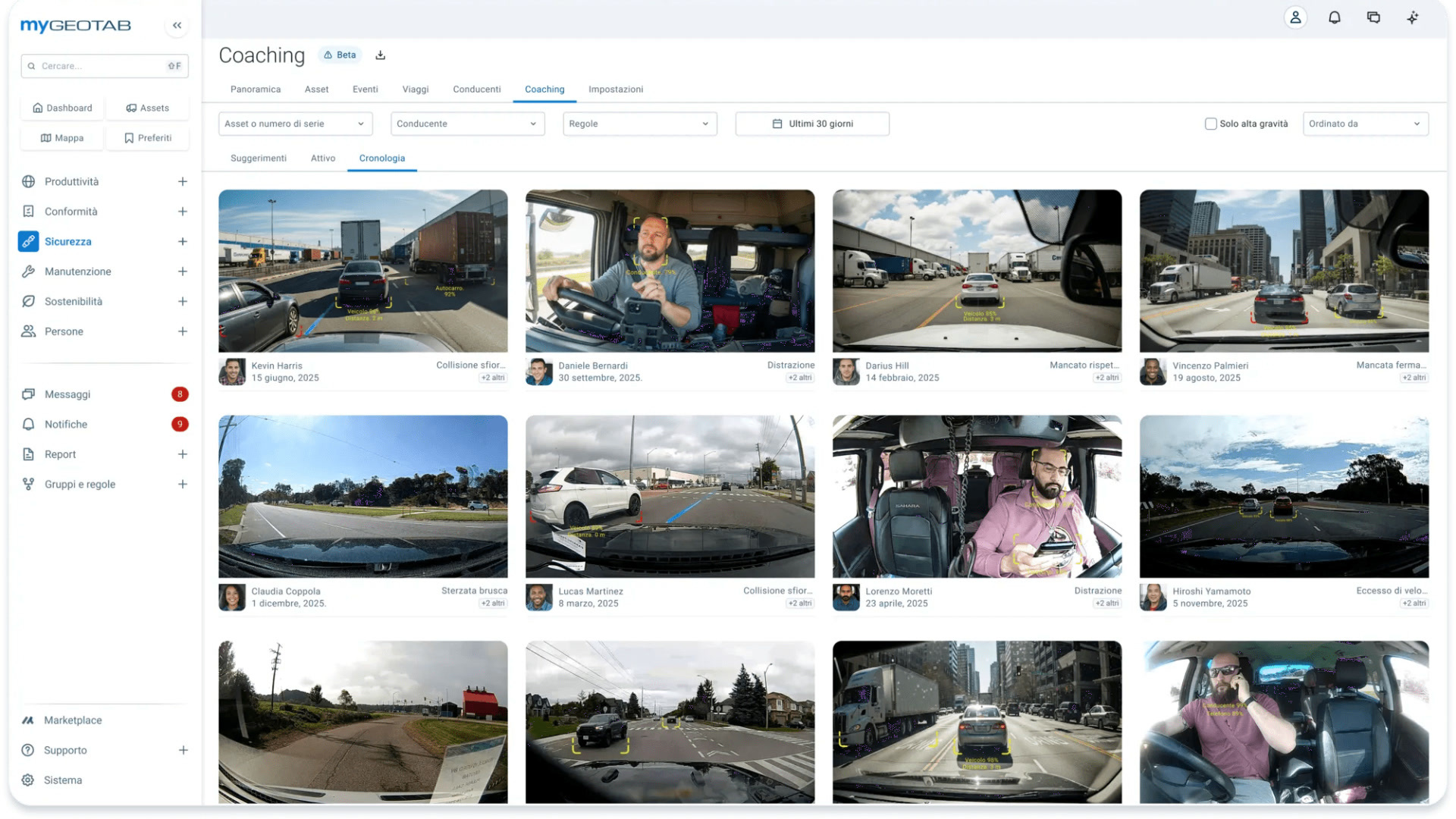
Video telematics can add oversight on the road by detecting drowsiness and fatigue in real time and alerting drivers before a lapse becomes an incident.
Other solutions include:
- Customisable pre-trip checks for mental and physical health.
- Instant alerts to management if a driver self reports as unfit.
- Digital and auditable records that prove you are meeting your Primary Duty.
Will the reforms help to unlock new mass limits?
The reforms introduce potential productivity benefits for transport operators. General Mass Limits (GML) look set to increase and align with Concessional Mass Limits.
Vehicles may also operate with longer lengths and higher freight capacity. However, accessing these gains will require the kind of transparency that only telematics can provide.
Many productivity programs require participation in the Telematics Monitoring Application schemes and in some cases the addition of Smart On-Board Mass (OBM).
Unlocking increased GML and length limits (up to 20m) requires precision that’s only available from digital systems.
- ECS Project Logistics: Solving a $10,000-an-hour problem
- Win the truck driver retention battle with technology
- Electronic Work Diary for fatigue management and compliance
Will 4.5 –12 tonne trucks face compliance changes?
For the first time, light and medium trucks are captured under the fit-to-drive duty. This includes 4.5 –12 tonne trucks and rigid trucks widely used in urban freight.
According to government figures, light trucks under 7.5 tonnes account for less than 3% of registered vehicles, but 15% of fatal crashes.
Operators must now provide documented evidence of driver fitness, including mental health and physical well-being.
What should fleet managers do now?
The July 2026 deadline is approaching. Here are the most important steps to take before the reforms take effect.
- Audit your current evidence trail: Review how safety data is captured and stored. Identify where paper-based processes fall short of the new evidentiary standard.
- Formalise your SMS: Every operator needs an SMS that reflects actual operations. Regulators will check whether your system is present, suitable and effective.
- Expand fit-to-drive checks beyond fatigue: Review pre-trip processes to ensure they capture the full picture of driver readiness.
- Leverage technology for productivity gains: The reforms unlock higher mass limits and longer vehicle lengths. TCA-certified telematics and Smart OBM are required to access these gains.
- Establish a digital-first audit defence: Ensure your SMS is backed by verifiable data so you can demonstrate due diligence in the event of an incident.
Future-proofing your fleet for HVNL
The HVNL reforms signal a shift toward evidence-based safety systems across the transport industry.
The deadline is looming, so operators should begin strengthening their compliance systems immediately to identify any gaps and get ahead of the new regulatory changes.
Geotab can help with digital tools such as GPS telematics, electronic work diaries, pre-trip and fit-for-duty electronic forms and mass monitoring.
Don’t risk heavy penalties or failed audits. Transition from paper to precision with Geotab’s digital compliance solutions.
Frequently Asked Questions
A Safety Management System (SMS) will be required to receive accreditation for all transport operators. The "fit to drive" duty now includes mental health, illness and injury. Stricter audits will now focus on the effectiveness of your safety systems.
Telematics solutions provide real-time digital evidence to remove time-consuming and cumbersome paper-based record keeping. This allows for an end-to-end, verifiable record of fatigue, driver and vehicle health and mass compliance.
The duty now covers mental health, illness and injury, not just fatigue. These rules now apply to all heavy vehicles over 4.5 tonnes GVM.
Yes, the reforms unlock potential productivity benefits for transport operators with increased General Mass Limits (GML) and length limits (up to 20m) reducing total trips while ensuring full compliance.
The Geotab Team write about company news.
Table of contents
- What is the 2026 HVNL Master Code?
- What are the 2026 HVNL changes?
- When does HVNL come into effect?
- What should I know about the new safety framework?
- How are fit-to-drive declarations changing?
- Will the reforms help to unlock new mass limits?
- Will 4.5 –12 tonne trucks face compliance changes?
- What should fleet managers do now?
- Future-proofing your fleet for HVNL
Related posts

.jpg)

AI dash cams vs. traditional: Which delivers better fleet safety?
March 5, 2026
5 minute read
.jpg)
Complete Guide: How to reduce your fleet operational costs
March 5, 2026
4 minute read
%20(2).jpg)
How dash cams protect your drivers and your business: a practical guide
March 5, 2026
5 minute read