Daytime Running Lights (DRLs): Enhance your fleet safety
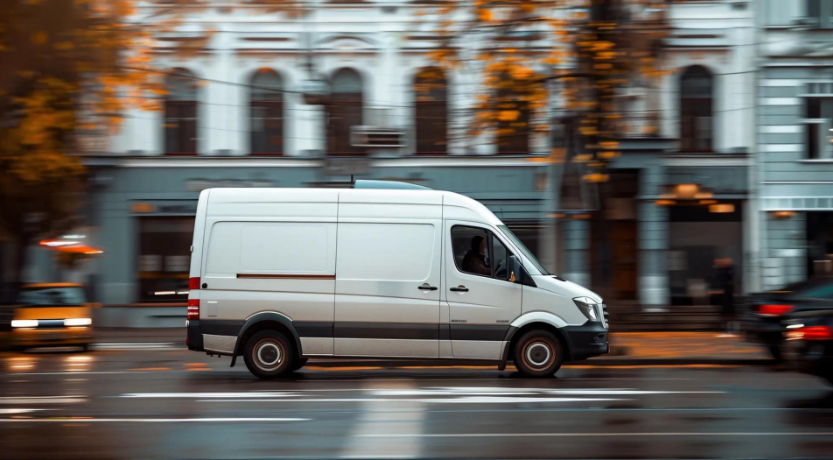
Daytime Running Lights (DRLs) are essential for Australian SMBs looking to enhance fleet safety. These low-intensity lights activate automatically, making vehicles significantly more visible to other drivers, cyclists, and pedestrians during daylight hours.

By Geotab Team
Apr 29, 2026
Key Insights
- DRLs improve daytime visibility and although they are not mandatory but highly recommendable.
- Australian research indicates that DRLs contribute to fewer multi‑vehicle daytime crashes and can support overall road safety improvements.
- DRLs help protect employees, reduce liability, and can indirectly enhance insurance and brand outcomes for SMB fleets.
What are daytime running lights (DRLs)?
Daytime Running Lights (DRLs) are vehicle lamps that switch on automatically whenever the engine is running to increase visibility to other road users during daylight. Unlike headlights, which illuminate the road ahead, DRLs do not primarily help the driver see they help others see the vehicle sooner.
Why daytime running lights (DRLs) matter for small business fleets
SMBs with vehicles for deliveries, field services, or travel rely on visibility and safety every day. DRLs are a cost‑effective operational upgrade that increases vehicle visibility in daylight hours without driver interaction.
European research and meta‑analyses have found that DRLs contribute to measurable reductions in daytime multi‑party crashes. According to Monash University Accident Research Centre, ‘daytime running lights (DRLs) reduce the risk of non-nighttime, multi-vehicle accidents in Australia by approximately 8.8% to 20%’
Daytime running lights (DRLs) generally improve how quickly other road users detect vehicles. These benefits build on long‑standing AU safety goals to protect all road users, especially in busy urban and interurban environments.
Key Benefits of DRLs for SMBs
1. Reduce accident risk and liability:
Increasing your vehicles’ daytime visibility helps lower the chances of collisions. Australian evaluations suggest DRLs are associated with reductions in multi‑vehicle daytime crashes and related injuries, strengthening fleet safety outcomes.
2. Protect employees and boost morale
Investing in DRLs underscores a safety‑first mindset. Employees who know their employer prioritizes their safety are more confident and motivated on the road.
3. Potential insurance and cost advantages
Although insurance models vary by market, safety enhancements like DRLs may help improve fleet risk profiles over time, which can influence costs and premiums.
4. Boost brand visibility and professionalism
Vehicles equipped with DRLs — especially those that are branded — are more noticeable and memorable on the road. This can amplify brand recognition and reinforce your business’s professional image.
Implementing DRLs: A Step‑by‑Step Guide for SMBs
- Assess Fleet Needs – Determine which vehicles lack DRLs and prioritize upgrades.
- Select DRL Lights – Choose high‑quality DRLs c.
- Professional Installation – Ensure proper fit, function, and compliance with local vehicle regulations.
- Communicate the Upgrade – Share your safety commitment with customers via website content, social media, and email newsletters.
Conclusion
Daytime Running Lights are more than a recommendation for Australia, they are a strategic asset for SMB fleets. They improve visibility, enhance safety, support employee protection, and project a professional brand image on every trip.
For small‑to‑medium businesses focused on sustainable growth, integrating DRLs into your fleet strategy is a smart investment with measurable benefits for both safety and visibility.
The Geotab Team write about company news.
Related posts

Asset tracking: Halting Australian Construction Site Theft
September 23, 2026
2 minute read
.jpeg)
Calculating Small Fleet ROI: Is the Investment Worth It?
September 22, 2026
2 minute read

How Manual Spreadsheet Configurations Limit Australian Small Fleets
September 7, 2026
2 minute read
.jpeg)
How Small Australian Fleets Hedged Against the 2026 Fuel Expenditure Shift
September 2, 2026
3 minute read
The Visual Shield: How Video Platforms Protect Small Fleets
August 12, 2026
4 minute read

Telematics safety data remains the primary engine for Australian fleet success
July 28, 2026
2 minute read