How to reduce fuel consumption for your fleet
Smart strategies for businesses to cut costs, improve efficiency and boost sustainability.

By Geotab Team
Feb 4, 2026
Key Insights
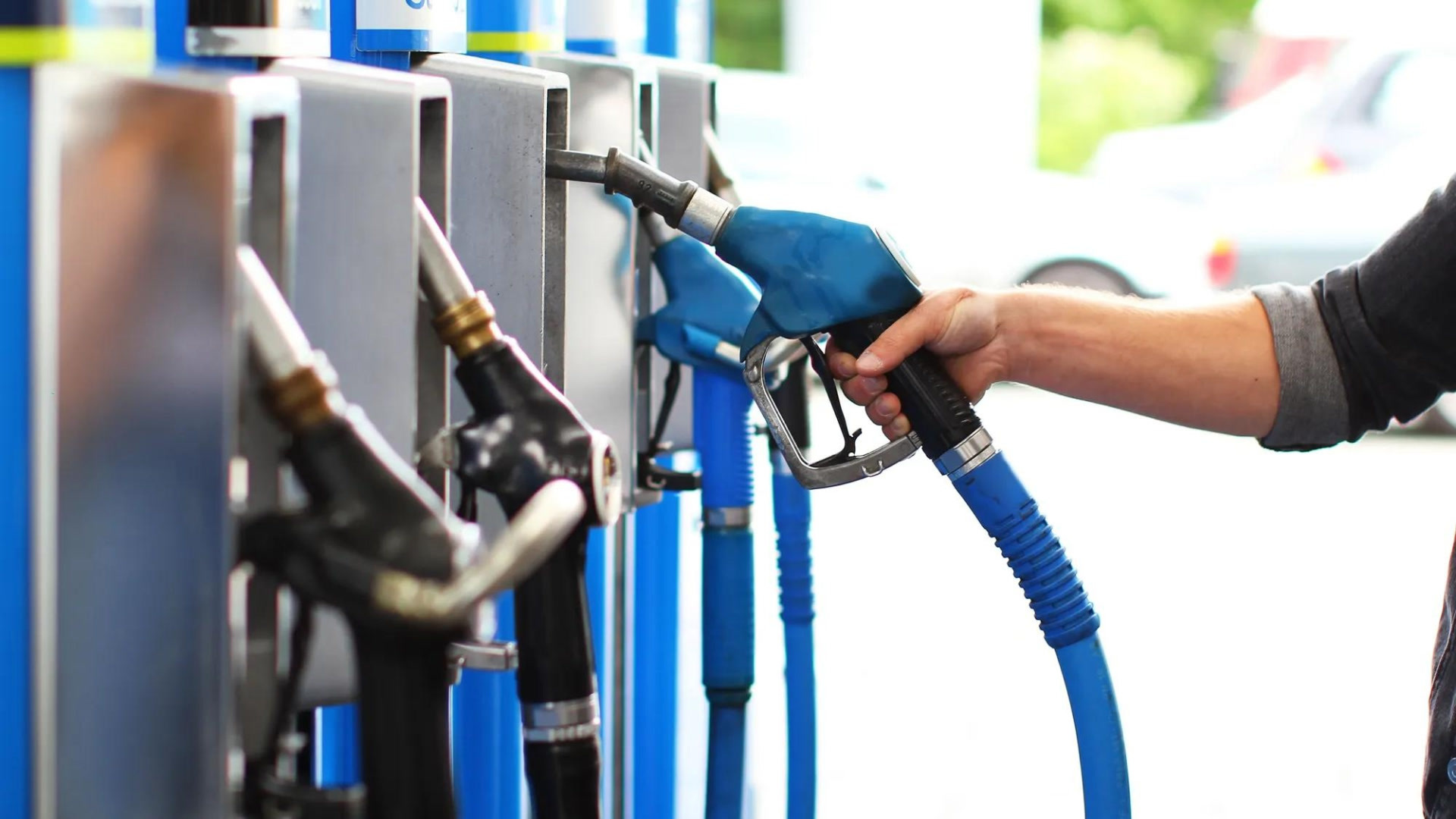
For small to medium businesses, fuel consumption can make up a large chunk of operating costs. By focusing on areas like driver behaviour, idling, eco-driving and route optimisation — and by using the right fleet technology, you can manage those costs, improve performance and give your business an edge.
Reducing fuel consumption is a top priority for any fleet manager or business owners who operate with commercial vehicles. Smart strategies for businesses to cut costs, improve efficiency and boost sustainability.
Running a vehicle fleet today requires doing it efficiently, safely and sustainably to impact positively in your bottom line.
For small to medium businesses, fuel consumption can make up a large chunk of operating costs. By focusing on areas like driver behaviour, idling, eco-driving and route optimisation — and by using the right fleet technology, you can manage those costs, improve performance and give your business an edge.
Let’s dive into some key initiatives that you can run to improve your fuel efficiency:
1. Improve Driver Behaviour
How your drivers accelerate, brake and handle their vehicle greatly impacts fuel use. Now, we know that driving style has emerged as an important determinant of fuel economy.
According to research, “aggressive driving is observed to create a 23% increase in fuel consumption” (1). This is a huge percentage that can impact very negatively in your operational costs, bottom line and profitability.
Encourage your team to:
- Accelerate smoothly and shift up early
- Avoid harsh braking by anticipating traffic and hazards
- Maintain a steady speed where possible (use cruise control on clear roads)
With the right telematics or fleet-management system, you can monitor these behaviours, provide coaching and recognise drivers who adopt fuel-efficient habits. Over time, this leads to safer driving, fewer costly incidents and better fuel economy.
Download our eBook 5 strategies to cut fuel consumption and take action in your fleet.
2. Minimise Engine Idling
Idling is one of the most overlooked sources of wasted fuel. Vehicles burning fuel while stationary deliver no productive mileage yet still cost money but if you take action “fleet operators can expect average fuel savings in the region of 1% to 5% when implementing anti-idling measures” (2)
Telematics data shows idling can inflate costs and emissions even when a vehicle isn’t moving.
To reduce idle time:
- Set an idling threshold (e.g., if a vehicle is stationary with engine running for more than 1-2 minutes)
- Coach drivers to switch off the engine during long waits or breaks
- Use fleet system alerts to highlight high-idling vehicles or routes
- By actively managing idling, you save fuel, reduce wear & tear and support your environmental goals.
Download our eBook 5 strategies to cut fuel consumption and take action in your fleet.
3. Embrace Eco-Driving
Eco-driving is all about smarter habits behind the wheel — and it pays. Techniques like “minimising engine idling, maintaining a steady speed, and avoiding sharp acceleration and braking that drivers can adopt to reduce their fuel consumption and reduce CO2 emissions” (3)
and avoiding unnecessary engine revs make a real difference.
According to an eco-driving review, fleets saw significant fuel savings when such techniques were applied. Concretely, “you can achieve up to 30% improvement in fuel efficiency through efficient driving.(4).
Key tactics include:
- Use the highest gear possible without labouring the engine
- Anticipate stops and traffic to enable coasting rather than braking hard
- Avoid cold-engine high RPM starts — minimise extra fuel use in the first few kilometres
- When you embed eco-driving into your fleet culture, you get better fuel efficiency, reduced emissions and a more professional driving image.
Download our eBook 5 strategies to cut fuel consumption for your fleet.
4. Optimise routes and scheduling
Mileage is money. Every extra kilometre driven unnecessarily or every minute spent stuck in traffic adds fuel cost, driver-hour cost and vehicle wear. Fleet tracking plus routing tools can help you identify inefficient journeys and optimise your schedule.
Best practices:
- Plan trips to avoid heavy congestion or peak traffic when possible
- Use real-time traffic, job locations and vehicle availability data to pick smart routes
- Consolidate jobs or combine tasks to reduce empty runs or backtracking
- When your fleet spends less time idle or travelling inefficiently, you’ll see savings, faster job completion and happier customers.
Download our eBook 5 strategies to cut fuel consumption for your fleet.
5. Maintain your vehicles proactively
A well-maintained vehicle is inherently more fuel-efficient. Neglected tyres, clogged filters or overdue services can all increase fuel consumption and risk breakdowns. Research confirms that proactive maintenance correlates strongly with lower fuel use and better total cost of ownership. fleetinsights.emkay.com
Tips for maintenance-driven fuel savings:
- Monitor vehicle health and schedule service before faults occur
- Keep tyre pressures correct — under-inflated tyres increase fuel use
- Replace engine filters, oil and other consumables on time
- By doing this, your fleet runs smoother, consumes less fuel and avoids expensive downtime.
Download our eBook 5 strategies to cut fuel consumption for your fleet.
6. Use technology and data intelligence
All of the above strategies become much easier, faster and reliable when backed by technology. GPS fleet tracking, telematics and data analytics give you real-time insights into fuel consumption, driver habits, idling, maintenance status and routes.
Make sure your system helps you:
- See fuel use per vehicle and per driver
- Get alerts when behaviours or usage go outside defined norms
- Report monthly on fuel trends, driver performance and cost drivers
- Use dashboards that deliver insights you can act on
When you combine smart technology with good fleet practices, your SMB gains control, drives savings and stays competitive in a changing market.
Improve your fuel efficiency
Fuel consumption doesn’t need to feel like a mystery expense. With focus on driver behaviour, idling, eco-driving, route optimisation and maintenance — all powered by data — you can cut fuel costs, protect your drivers and boost your business. For SMBs operating across Australia and beyond, these strategies aren’t optional: they’re essential for staying lean, competitive and sustainable.
Start with one change today, track your results and scale your approach. With visible savings and performance improvements, you’ll uncover the power of smarter fleet management — and turn every kilometre into value.
Download our eBook 5 strategies to cut fuel consumption for your fleet.
Sources
- (1)https://www.sciencedirect.com/science/article/pii/S136192092300422
- (2)https://www.epa.nsw.gov.au/Your-environment/Air/reducing-motor-vehicle-emissions/Vehicle-idling
- (3)https://www.fors-online.org.uk/cms/wp-content/uploads/2016/03/TR127428-01.Factsheet_CR1.pdf
- (4)https://businesschamberqld.com.au/wp-content/uploads/2024/07/02-FACTSHEET-Efficient-Driving-and-Fleet-Management-compressed.pdf
The Geotab Team write about company news.
Related posts

Why the new Heavy Vehicle National Law makes vehicle telematics and digital systems essential
March 30, 2026
4 minute read

Heavy Vehicle Fuel Consumption in Australia: 2026 Fleet Efficiency Guide
March 27, 2026
2 minute read
One billion litres: Why the EV moment is now for Australian SMBs
March 27, 2026
4 minute read

Asset tracking: protect your small business from loss and theft
March 27, 2026
3 minute read
Fuel prices are burning through your budget: How Australian SMBs can fight back
March 27, 2026
3 minute read
.jpg)