Utilising AI-powered video telematics to reduce false insurance claims and secure driver exoneration
The 2026 Geotab report shows Australian fleets using AI video telematics to cut false claims by 61%, reduce safety costs by 49%, and significantly curb driver fatigue. This "Visual Shield" protects drivers from liability and boosts profitability through objective data.

By Geotab Team
Jun 16, 2026
Key Insights
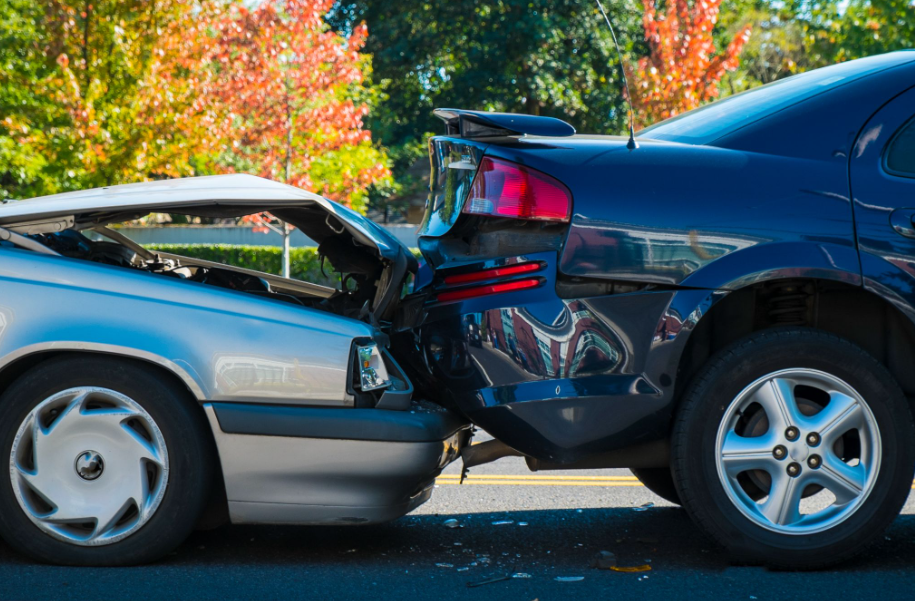
- Exonerating the Driver and Reducing False Claims: In a landscape where "he-said, she-said" liability often unfairly burdens professional drivers, the "Visual Shield" provides high-definition certainty. The adoption of AI video has led to a 61% reduction in false claims across all industries, with 71% of General Freight operators successfully using this evidence to exonerate drivers from inaccurate liability.
- Mastering Compliance and the Chain of Responsibility (CoR): Safety is a legal mandate under HVNL and CoR laws, where liability extends from the driver to the boardroom. 42% of Australian operators have now integrated dual-facing in-cab video to meet these obligations, resulting in a 49% reduction in safety incident costs through proactive risk coaching.
- Defeating Fatigue in High-Stakes Environments: In Australia's remote extraction and long-haul sectors, AI acts as a sentinel against human error. The Oil & Gas sector leads this trend, with 83% of firms reporting a 41–60% reduction in driver fatigue by using AI to detect microsleeps and distractions before incidents occur.
In the high-stakes Australian transport landscape of 2026, the "tyranny of distance" is no longer the only challenge facing fleet managers. As the economy runs at a sustainable "speed limit" and diesel prices hover at a staggering 245.6 cents per litre (March 2026 prices) , the financial margin for error has vanished. Amidst these pressures, a new crisis has emerged: the rising cost of litigation and "he-said, she-said" liability on the road.
According to the inaugural Geotab Report 2026: connected fleets in Australia, the industry is fighting back with a sophisticated digital defense. Dubbed the "Visual Shield," AI-powered video telematics has transitioned from a passive recording tool into an essential instrument for operational sovereignty and fiscal survival.
The exoneration mandate: protecting the driver’s seat
For decades, Australian fleet drivers have faced an uphill battle when involved in incidents with passenger vehicles. Without objective evidence, the "professional driver" was often presumed at fault, leading to skyrocketing insurance premiums and devastating reputational damage. In 2026, the data shows a definitive shift in this power dynamic.
The report reveals that 77% of Australian businesses now categorise in-cab video as “very” or “extremely” beneficial. Why? Because it provides high-definition certainty in a world of anecdotal evidence. Across all industries, the implementation of the Visual Shield has led to a 61% reduction in false claims.
In the General Freight sector—the backbone of Australia's interstate supply chain—this impact is even more profound. 71% of freight operators successfully utilised video evidence to exonerate their drivers from inaccurate liability. By providing a clear, objective record of the road, Australian fleets are effectively neutralising the financial risks associated with road incidents, ensuring that a single "nuclear verdict" doesn't bankrupt a local operator.
Chain of Responsibility (CoR) and the boardroom Shield
In Australia, safety is not just a best practice; it is a legal duty. Under the Heavy Vehicle National Law (HVNL) and Chain of Responsibility (CoR) legislation, liability for a road incident no longer stops with the driver. It extends through the dispatcher and the fleet manager all the way to the boardroom.
The Geotab 2026 data highlights that 42% of Australian operators have now integrated dual-facing in-cab video to meet these rigorous legal obligations. By establishing a "visual pulse" within the cabin, leadership can move from reactive accident investigation to proactive risk coaching. This technical command is vital; the report shows a 49% reduction in safety incident costs across the board since the adoption of video intelligence.
Defeating the "silent killer": fatigue management in remote Australia
Perhaps the most significant contribution of the Visual Shield is its role in fatigue mitigation. In Australia’s high-stakes extraction and long-haul sectors, exhaustion is the primary shield against human error.
The Oil & Gas sector has emerged as the gold standard for this technology. A staggering 83% of firms in this industry reported reducing driver fatigue by 41–60% through AI-powered monitoring. By detecting microsleeps or signs of distraction before an incident occurs, the Visual Shield acts as an AI sentinel, ensuring that every worker on a remote site returns home safely.
The direct link to profitability: insurance and ROI
In a fluctuating economy, every cent counts. The Australian report confirms that safety is the most direct path to profitability:
- Insurance resilience: 39% of Australian fleets have already seen a direct reduction in insurance costs through the use of dash cams.
- Sector leaders: In the Utilities sector, 71% of operators reported fewer safety incidents, while 67% of Oil & Gas firms successfully drove down insurance premiums.
- Rapid capital recovery: Despite the initial investment, 45% of respondents across all industries achieved a positive ROI on their video solution in under 12 months.
Conclusion: Data-Driven Orchestration
As the gap between traditional hauling and tech-first logistics widens, the most resilient Australian firms are those leveraging integrated intelligence to protect their margins and their people. The Geotab Report 2026 proves that competitiveness is no longer about fleet size—it’s about the intelligence behind the movement.
By turning raw video into "Strategic Sovereignty," Australian fleets are doing more than just recording the road; they are securing their future in a volatile, high-cost environment.
The Geotab Team write about company news.
Related posts
How video telematics helps drivers trust the safety program
October 19, 2026
5 minute read
How does fleet management software help reduce costs and improve compliance in Australia?
October 15, 2026
2 minute read
How video telematics is improving safety and reducing risk for Australian fleets
October 8, 2026
2 minute read
HVNL compliance checklist: 4 areas fleet operators should review in 2026
September 10, 2026
4 minute read