Chain of Responsibility (CoR) and video evidence: a practical guide for Australian fleets
Under the Heavy Vehicle National Law (HVNL) reforms that take effect on 1 August 2026, Australian fleets must prove they are actively managing on-road risk. Video telematics is the objective evidence of a fleet monitoring risk as it happens.

By Riley Causer
Jul 28, 2026
Key Insights
- EWDs are the minimum: They confirm hours and rest compliance, but they say nothing about distraction, fatigue or how an incident unfolded.
- Video is the best evidence: Video is the clearest proof that operators are meeting their obligations to minimise risk so far as is reasonably practicable.
- Auditors look for corrective action: Video telematics paired with coaching creates a documented loop of detection, feedback and improvement, which is the mark of a functioning Safety Management System (SMS).
- Video can exonerate: Objective footage can prove third-party fault, resolve claims faster and demonstrate due diligence across the entire chain of responsibility.
Under the Heavy Vehicle National Law (HVNL) reforms that take effect on 1 August 2026, fleets must prove they are actively managing on-road risk, not just documenting it. Video telematics, the combination of AI dash cams and vehicle sensor data, is the objective evidence that a fleet is monitoring risk as it happens. An Electronic Work Diary (EWD), the digital replacement for the paper logbook, is crucial, but it cannot prove drivers were alert and focused. Video solutions can help to close that gap.
Since new laws take effect on 1 August 2026, the National Heavy Vehicle Regulator is demanding higher safety standards from fleet managers. It is asking for more than driver logs. It now wants proof that operators are managing the risk behind the wheel. Video telematics is the best evidence to show a proactive safety strategy, and auditors are already rewarding the fleets that know the difference.
What is the difference between an EWD and video in an audit?
An EWD handles compliance in the narrow sense. It tracks work and rest hours, replaces the paper logbook and gives the NHVR verifiable records of when a driver was legally permitted to drive. This is essential, but it is retrospective and it is silent on behaviour.
Video telematics handles performance-based compliance. It captures what the driver was doing: whether they were tailgating, distracted or showing early signs of fatigue.
In an audit, an EWD tells the regulator the rules were followed on paper. Video tells the regulator the fleet was actively managing safety on the road.
More importantly, combining video telematics with coaching helps improve driver behaviour, which not only helps drivers spot the risk in time and get home safely, but also reduces the behaviours that lead to audits in the first place.
How does the reasonably practicable test work in 2026?
The Primary Duty in Section 26C requires operators to eliminate or minimise risk so far as is reasonably practicable. In practice, the NHVR is assessing whether a fleet knew, or ought to have known, about a risk and whether it acted. Passive record-keeping does not satisfy this. Active monitoring does.
- How to choose a fleet dashcam for commercial fleets in Australia and New Zealand
- Fleet compliance solutions for every fleet
Geotab collision risk analysis uses advanced AI models to estimate each vehicle crash probability, correlating driving habits such as speeding, harsh braking and cornering with route and environmental context. That gives a fleet manager the foresight to intervene before an incident occurs, which is exactly the kind of proactive risk management the reasonably practicable test is designed to reward.
How do you turn an incident into audit proof?
The strongest evidence of a working SMS is not a clean record. It is a documented response to a problem. The workflow is straightforward. When the AI camera flags a high-risk event, such as a near-miss or a moment of distraction, the manager reviews the footage, assigns targeted coaching and logs that the corrective action was taken. That single loop is what satisfies the continuous improvement requirement at the core of a Safety Management System.
The table below shows how widely Australian fleets are already achieving measurable safety gains with in-cab video, drawn from the Geotab 2026 Connected Fleets Report of 517 Australian fleet managers.
| Safety outcome from in-cab video | Share of fleets reporting the gain |
|---|---|
| Reduced crashes by more than 21% (general freight) | 79% |
| Reduced tailgating by more than 21% (services) | 92% |
| Reduced driver fatigue by 41% to 60% (oil and gas) | 83% |
| Improved driver safety (all industries) | 65% |
| Reduced false claims (all industries) | 61% |
How does video protect everyone from the driver to the director?
The 2026 reforms extend accountability up the chain. Executives can no longer treat safety as an operational detail handled elsewhere. Under the amended law, directors must be able to show they reviewed fleet safety data and allocated resources to eliminate known hazards.
- ECS Project Logistics: Solving a $10,000-an-hour problem
- BC Sands: 45% decrease in occurrences of unsafe driving behaviour
Severity-based risk dashboards make this practical, pushing the right information to the people who are personally liable and creating the due diligence trail that protects them.
How do you make your fleet audit-ready?
The goal is to make everyday reporting double as audit documentation. A few practical steps:
- Replace paper logbooks with an integrated EWD. Use an NHVR-approved Electronic Work Diary that feeds live data into MyGeotab, then pair it with an AI dash cam to cover the behavioural risks an EWD cannot see.
- Use the coaching tools as evidence. Geotab solutions score drivers on behaviours such as tailgating, lets you send footage to repeat offenders and permanently logs the corrective action for audit purposes.
- Reward the right behaviour, not just penalise the wrong. Positive reinforcement builds the safety culture that makes compliance sustainable. Geotab Vitality, for example, is a rewards program that combines behavioural benchmarking with personalised goals and incentives to reduce collisions, boost safety, and improve driver retention.
Technical compliance keeps you legal. The Primary Duty is what the NHVR is now enforcing, and video telematics is the practical, defensible way to prove you are meeting it. For a deeper look at why the reforms make telematics essential, see our guide on why the new HVNL makes vehicle telematics and digital systems essential.
Frequently Asked Questions
A Safety Management System requires continuous improvement. Video telematics creates a documented loop: the AI camera detects a high-risk event, the manager delivers coaching and the corrective action is logged. That evidence of detection, response and improvement is what auditors look for.
No. An EWD proves hours and rest compliance, but Chain of Responsibility under the HVNL requires operators to show they took all reasonably practicable steps to manage on-road risk. Video telematics provides the behavioural evidence, such as fatigue and distraction monitoring, that an EWD cannot.
The Primary Duty is the obligation to eliminate or minimise safety risks so far as is reasonably practicable. In 2026 the NHVR assesses whether a fleet knew, or ought to have known, about a risk and whether it acted on it, which makes active monitoring far more important than passive record-keeping.
Yes. Objective, time-stamped footage can establish third-party fault, resolve insurance claims faster and demonstrate that a fleet was managing risk. This can prevent an audit from escalating and helps protect the business across the chain of responsibility.
Related posts
Flipping the Switch on Overhead: The Real Cost Savings of Fleet Telematics
October 20, 2026
2 minute read

How video telematics helps drivers trust the safety program
October 19, 2026
5 minute read
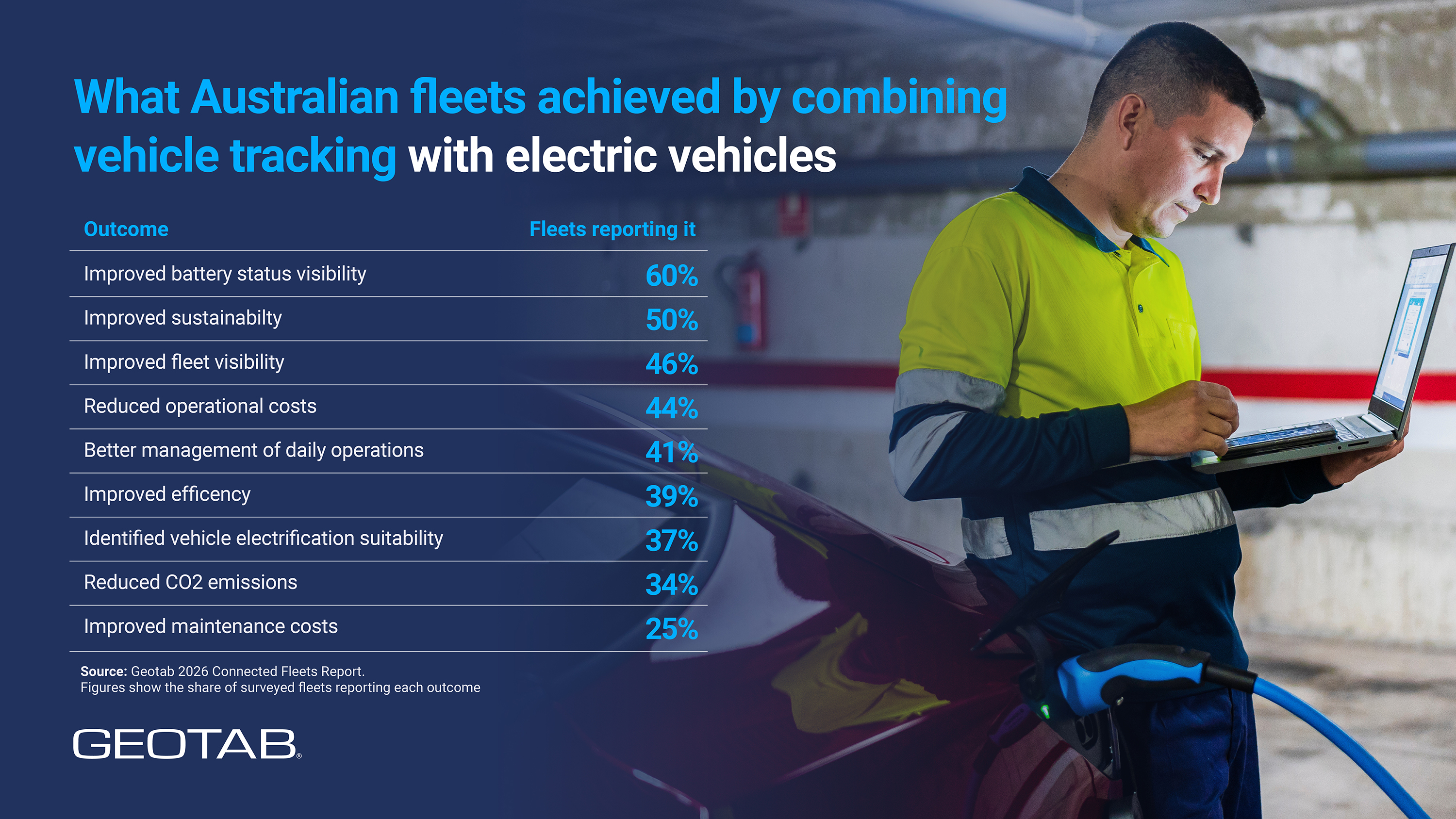
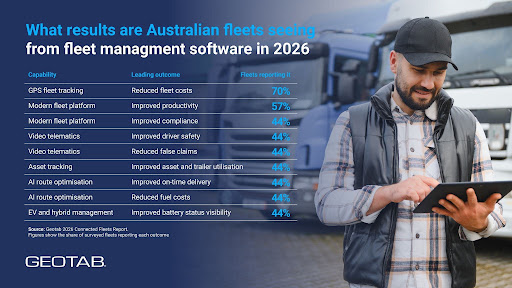
How does fleet management software help reduce costs and improve compliance in Australia?
October 15, 2026
2 minute read

.jpg)
How Small Businesses Use Telematics to Optimise Operational Expenditures
October 13, 2026
2 minute read