Asset tracking for Australian fleets: Reduce Idle Time, Theft and Downtime

By Geotab Team
Nov 5, 2026
Key Insights
- Idle equipment can tie up capital while another crew pays to hire an equivalent asset.
- Location history and movement alerts can support theft investigations, but do not guarantee prevention or recovery.
- Asset tracking data can help reconcile equipment registers and support detention charges, subject to contract terms and the records available.
Asset tracking for Australian fleets: reduce idle time, theft and downtime
Untracked equipment gets stolen, sits idle, and racks up detention fees that go uncollected. Here's what that costs, and how fleet asset tracking fixes it.
Key Insights
- Idle equipment can tie up capital while another crew pays to hire an equivalent asset.
- Location history and movement alerts can support theft investigations, but do not guarantee prevention or recovery.
- Asset tracking data can help reconcile equipment registers and support detention charges, subject to contract terms and the records available.
Trailers, generators and containers can sit unused between jobs while still incurring ownership costs. Without clear visibility of their location and availability, teams may hire equipment they already own or spend time searching across depots and worksites. Fleet asset tracking can help identify under-used equipment and flag assets that need investigating.
Equipment that doesn't come back has a name: ghost assets. Still on the books, still covered by insurance, still showing up in depreciation schedules, but gone. Stolen, left on a job site, moved without documentation or written off years ago and never removed from the system.
The downstream cost is usually bigger than the asset itself.
Are you hiring equipment you already own?
Most fleet managers know their cost per vehicle. Far fewer know their cost per productive hour, and that number tells a very different story. Equipment utilisation tracking is how you uncover it.
When an asset is in use for only 186 days out of 365, you’re recovering its full annual cost, depreciation, insurance and storage, from half a year of productive hours. On equipment worth six figures, that math is stark.
The reason fleets tolerate it is predictable. Site managers might reserve equipment because they don't trust it will be available when they need it. So the compressor stays on-site "just in case." Meanwhile, a dispatcher is getting calls from another crew looking for one, and eventually someone approves a rental – for equipment you already own, sitting idle, maybe two hours away.
Theft costs can extend beyond replacement
Insurance may cover some losses following equipment theft, depending on the policy. It does not necessarily remove the operational disruption.
A stolen generator or trailer can mean an excess payment, replacement hire, time spent managing a claim and delays while suitable equipment is sourced.
GPS location history and movement alerts can help teams identify unexpected activity and provide information to police and insurers. For example, an alert that a trailer has left a designated depot may prompt staff to check whether the movement was authorised.
Tracking does not prevent every theft or guarantee recovery. Its usefulness depends on factors such as device installation, reporting frequency, connectivity and how quickly someone reviews the alert.
If theft is suspected, follow your organisation's incident procedures and contact police. Do not attempt to recover the equipment yourself.
You can't collect detention fees without proof
This is the quiet version of the black hole. The asset came back. But the revenue it should have generated didn't.
Detention charges may apply when a trailer remains at a customer’s site beyond the free-time window agreed in the contract. A driver drops the trailer and leaves. The trailer sits. Whether detention is charged or paid depends on the customer contract and the supporting records.
A trailer sitting in a customer's yard for three weeks is a billing conversation you can win when you have timestamped location records to back it up. Without them, it's a dispute you’ll likely lose.
Search time is eating your labour hours
A dispatcher logs a trailer as sitting at a yard across town. A driver shows up. It's not there. Ninety minutes of calls later, they track it to a different site. At $35 an hour, that's $52 gone before the load moves an inch, and the driver's day is already behind.
Scale that to a crew. They show up ready to work and the compressor they were counting on is still at the last job site. No one marked it as unavailable or rerouted it. So they wait. Someone starts making calls and a rental gets approved. Three hours of crew time that went out at full rate before anyone touched anything.
It looks like a staffing problem when it's really a visibility problem. Up-to-date asset location data can help teams check an asset’s location before dispatching a crew.
Why these problems keep happening
One common factor behind these costs is delayed or incomplete asset information.
Most asset management still runs on yard checks and spreadsheets. Someone walks the lot, records what's there, and reconciles against the asset register when something comes up missing. It works until it doesn't, and when it doesn't, the problem is usually weeks old by the time it comes to light.
That's how a compressor sits idle at a job site for two months while a dispatcher approves a rental for one two hours away. That's how a trailer racks up three weeks of detention charges before anyone realises it hasn't come back. And that's how a theft gets reported to insurance instead of law enforcement, because no one knew it was gone until the next yard check.
The lag between when something happens and when someone finds out is where every one of these dollars disappears.
What changes when you track your assets
Fleet asset tracking reports location and movement back to your fleet management platform. What that enables is the opposite of everything above.
Idle equipment shows up in your data before the next audit, not after. If a compressor hasn’t moved in six weeks, you can spot it before anyone hires a replacement you already own.
Get an alert when an asset leaves a designated zone or moves after hours, so you can respond within hours rather than weeks. If the alert comes too late, location history can still give law enforcement and insurers the information they need.
Asset location and movement history may help your team review when a trailer was at a customer’s site. These records can support checks against agreed detention terms, but do not replace other supporting documentation or guarantee payment.
Technicians can check the platform for a specific tool before leaving the yard, rather than discovering it’s missing when they arrive at the job.
Real-time asset visibility can help fleets identify missing or under-used equipment earlier, giving teams more time to investigate and act.
That number follows directly from closing the lag. When you know something is wrong early enough to act, you act.
What you can do when you have the data
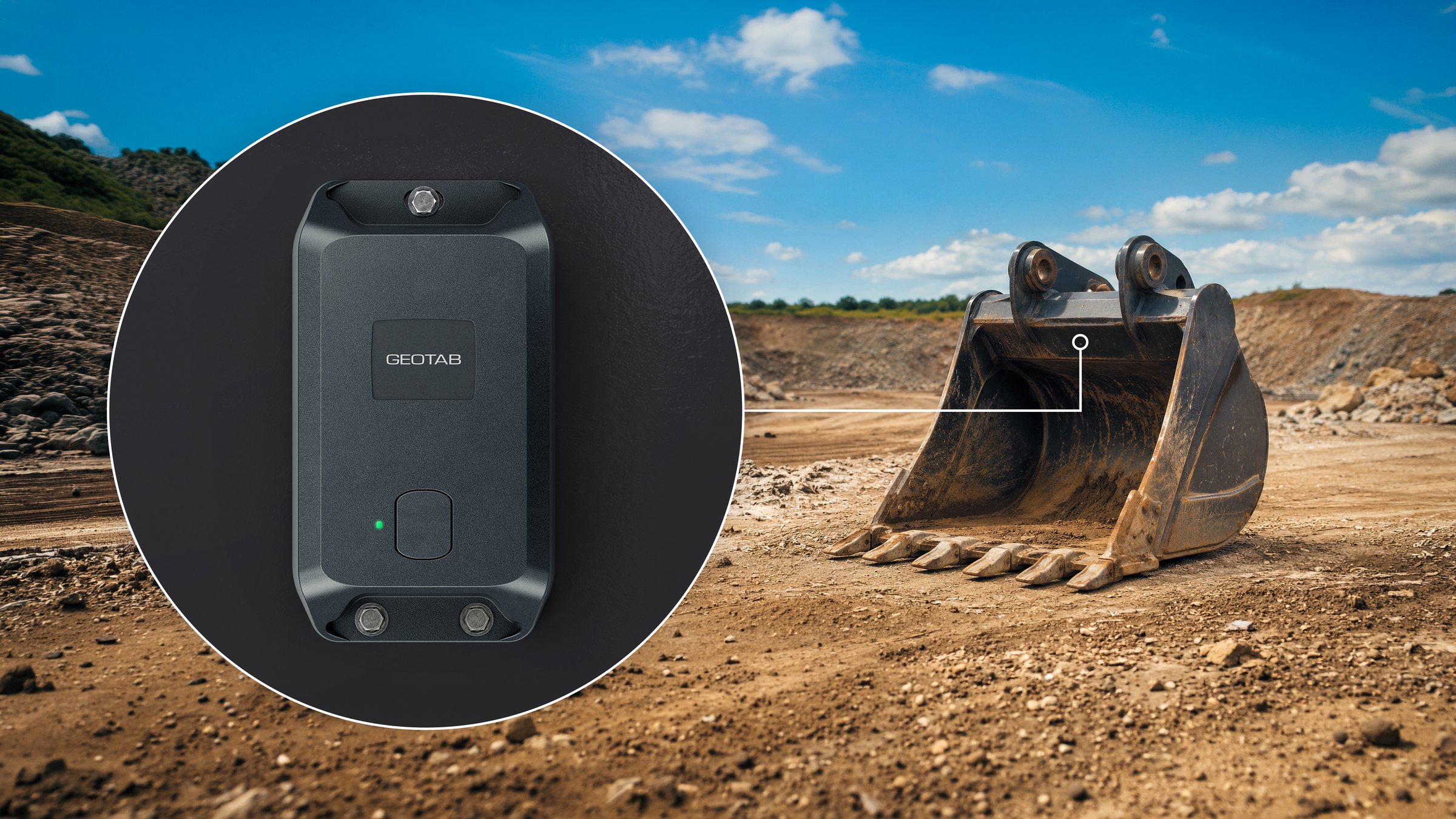
The Geotab GO Anywhere™ Asset Tracking System integrates compatible asset trackers with MyGeotab, helping fleets monitor high-value assets such as trailers, containers, generators and heavy equipment. Tool tracking depends on the selected device. Knowing where your assets are is the starting point. Having that data early enough to act on it is what changes the outcome.
Frequently Asked Questions
GPS tracking can provide location history and, where supported and configured, alerts about unexpected movement. This information may help teams identify suspected theft earlier and support police investigations or insurance claims.
Tracking does not guarantee theft prevention or recovery. Device reporting frequency, connectivity and response procedures all affect how useful the information will be.
Geotab's asset tracking solutions can help monitor trailers, containers, generators and heavy equipment. Smaller tools may also be tracked, depending on the selected device or compatible solution.
Confirm device suitability, supported features and Australian availability with your Geotab provider.
A compatible tracker fitted to an asset collects location data and sends updates to MyGeotab. Depending on the device and configuration, teams can review location history, set geofences and receive movement alerts.
Additional information, such as engine hours or equipment usage, requires a solution that supports those capabilities. Update timing depends on reporting settings and connectivity, so it should not be assumed to be continuous.
The Geotab Team write about company news.
Table of contents
- Asset tracking for Australian fleets: reduce idle time, theft and downtime
- Key Insights
- Are you hiring equipment you already own?
- Theft costs can extend beyond replacement
- You can't collect detention fees without proof
- Search time is eating your labour hours
- Why these problems keep happening
- What changes when you track your assets
- What you can do when you have the data
Related posts

How asset tracking can support cargo security for Australian fleets
November 5, 2026
4 minute read

AI-Driven Logistics Orchestration: Route Optimisation for Better Margins
October 30, 2026
3 minute read

Predictive Maintenance: How to Reduce Unplanned Downtime and Repair Costs
October 30, 2026
4 minute read
Small Fleet Asset Tracking: Total Control Guide for Australia
October 30, 2026
3 minute read

Flipping the Switch on Overhead: The Real Cost Savings of Fleet Telematics
October 20, 2026
2 minute read