Fuel prices are burning through your budget: How Australian SMBs can fight back

By Geotab Team
Mar 27, 2026
Key Insights
Fuel spend is rarely just about what shows up on the fuel card statement. Research from fleet management analysts shows that inefficient driver behaviour: speeding, harsh acceleration, excessive idling can inflate fuel consumption by up to 30%. For a fleet of ten vehicles averaging 20,000 km per year each, that gap can translate to tens of thousands of dollars in unnecessary spend annually.
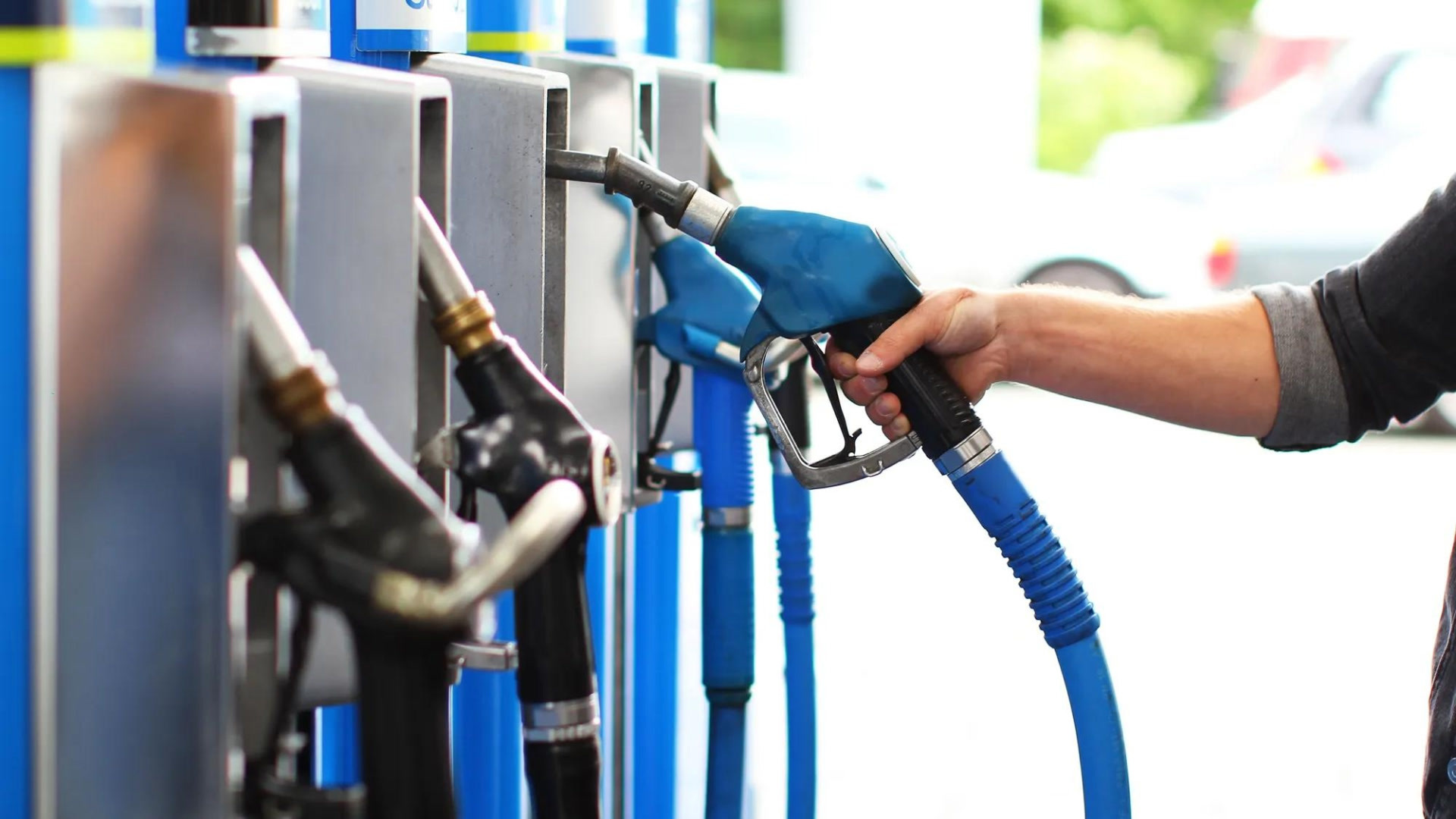
For Australian small and medium businesses that run fleets, fuel is not a background expense, it is a line item that demands attention. With petrol averaging 219.5 cents per litre and diesel climbing to 245.6 cents per litre nationally in the week ended 15 March 2026 (Australian Institute of Petroleum), every kilometre your vehicle covers is a direct hit to your margin.
You cannot control the pump price. But you can control how much fuel your fleet burns, and that is exactly where smart businesses are gaining an edge.
The True Cost Of Fuel In An Australian SMB Fleet
It Is Not Just the Pump Price
Fuel spend is rarely just about what shows up on the fuel card statement. Research from fleet management analysts shows that inefficient driver behaviour: speeding, harsh acceleration, excessive idling can inflate fuel consumption by up to 30%. For a fleet of ten vehicles averaging 20,000 km per year each, that gap can translate to tens of thousands of dollars in unnecessary spend annually.
Diesel Is the Silent Budget Killer
For SMBs running trades vehicles, delivery vans, or utes, diesel is the fuel of record. At 245.6 cents per litre, every inefficient route, every unnecessary idle, every overloaded trip costs more than it did 12 months ago. Global supply chain pressures and Australia's continued reliance on imported fuel mean prices remain structurally elevated and the businesses treating this as a temporary blip are the ones absorbing the most avoidable cost.
The Levers SMBs Can Actually Pull
1. Telematics-Driven Fuel Monitoring
The most direct route to fuel savings is visibility. Fleet telematics platforms give you a real-time feed of fuel consumption across every vehicle, identifying which drivers burn the most, which routes are inefficient, and where idling is quietly draining your tank.
Geotab's fleet management platform surfaces fuel consumption anomalies instantly, turning data into decisions. Operators using telematics-driven fuel monitoring report savings of 10–18%.
2. Driver Behaviour Coaching
Data without action is just noise. Once you know which behaviours are burning excess fuel, targeted coaching programmes make a measurable difference. Harsh braking, aggressive acceleration, and speeding each carry a fuel penalty — and drivers who understand that tend to change. The goal is not surveillance; it is helping your team build habits that reduce wear, improve safety, and lower your fuel bill simultaneously.
3. Route Optimisation
Shorter routes mean less fuel. Smarter routes mean less fuel and fewer hours. Route optimisation tools embedded in fleet management platforms can significantly reduce distance travelled — particularly for businesses managing multiple stops across metropolitan areas. Less time on the road is less fuel burned, fewer vehicle hours, and lower driver fatigue.
4. Preventive Maintenance
An under-serviced vehicle is a thirsty vehicle. Tyres at the wrong pressure, blocked air filters, and delayed oil changes each increase fuel consumption in ways that are invisible until you are looking at the data. A proactive maintenance schedule — triggered by telematics rather than calendar dates — keeps your vehicles operating at peak efficiency and flags issues before they become costly repairs.
5. Fuel Card Consolidation and Monitoring
Australian SMBs have access to a competitive market of business fuel cards — Shell Card, Ampol, FleetCard, WEX Motorpass, and BP Plus among them. Consolidating fuel purchases through a monitored card programme helps you track spend by vehicle, identify anomalies (including unauthorised fills), and negotiate volume discounts as your fleet grows.
What The Numbers Look Like
Consider a fleet of ten diesel vehicles, each covering 20,000 km per year at an average consumption of 12 litres per 100 km. At the current national average of 245.6 cents per litre, annual fuel spend sits at approximately $89,440.
A 15% reduction in fuel consumption — achievable through the combination of telematics monitoring, driver coaching, and route optimisation — saves approximately $8,000 annually. That is not a marginal improvement. That is a result that shows up on your profit and loss statement, quarter after quarter.
The Bigger Picture: Fuel Security And The Road Ahead
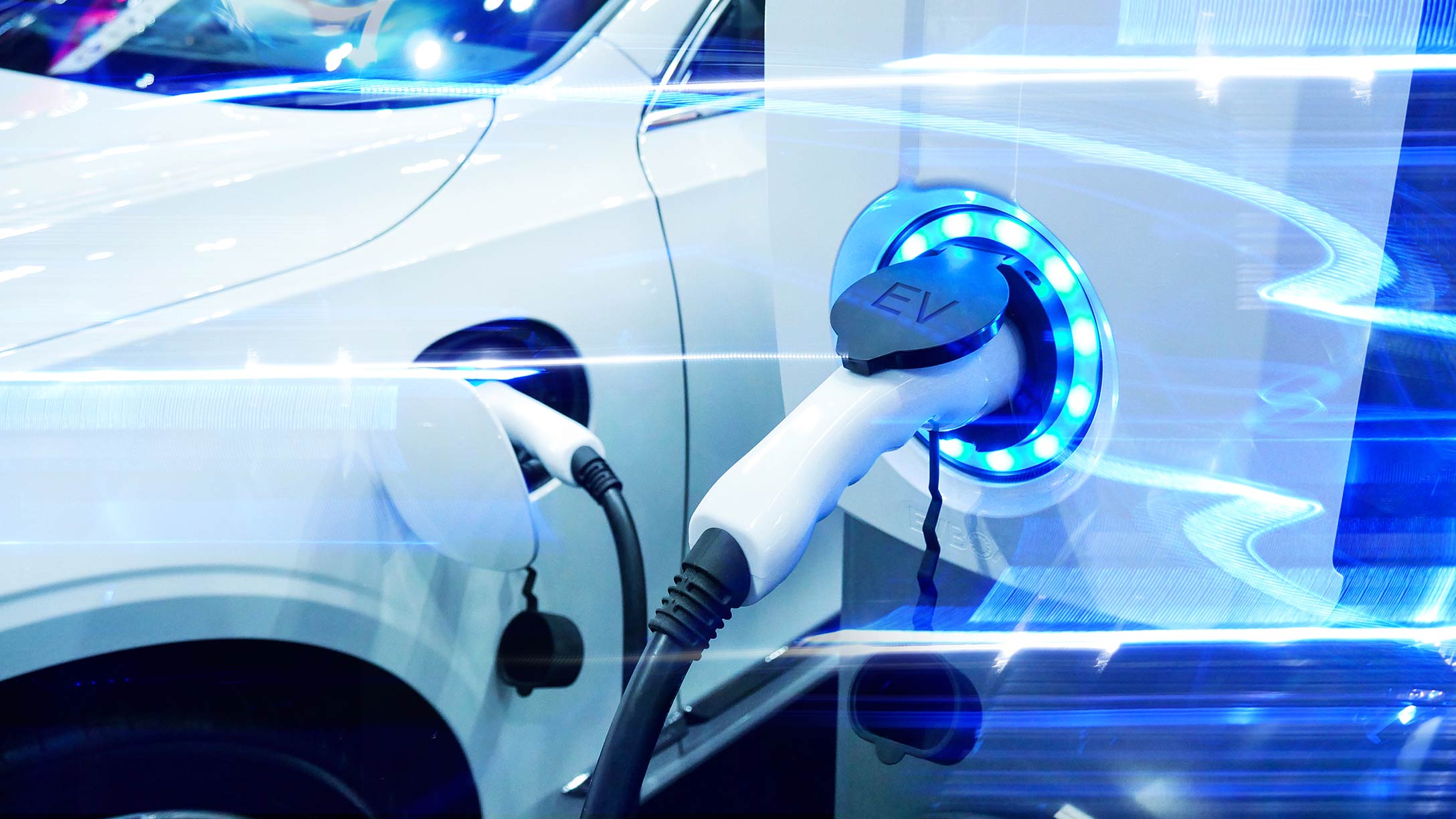
Australia's dependence on imported fuel is not just a business problem — it is a structural economic vulnerability. Experts consistently note that Australia's long-term energy and economic security depends on reducing reliance on foreign liquid fuel, with EV adoption, domestic renewable energy, and smarter fleet management all forming part of the solution.
For SMBs, this means a fuel optimisation strategy today is not just about this year's budget. It is about building operational resilience before the next price spike arrives — because one will.
Start With What You Can Measure
You cannot improve what you cannot see. The first step for any SMB looking to get serious about fuel cost management is gaining visibility across every vehicle, every driver, and every route.
Geotab's fleet management platform gives Australian SMBs the tools to monitor, analyse, and act on fuel data at scale. Whether you run three vehicles or thirty, the principle is the same: less waste, lower costs, more control — and a fleet that earns its keep rather than draining yours.
Ready to see what your fleet is actually spending on fuel? Get a demo today by clicking here.
The Geotab Team write about company news.



.jpg)