6 ways to reduce vehicle idling and save fuel
Discover how SMBs in the UK can track, coach, and optimise driver behaviour to build a more efficient, sustainable fleet.

By Geotab Team
Feb 11, 2026
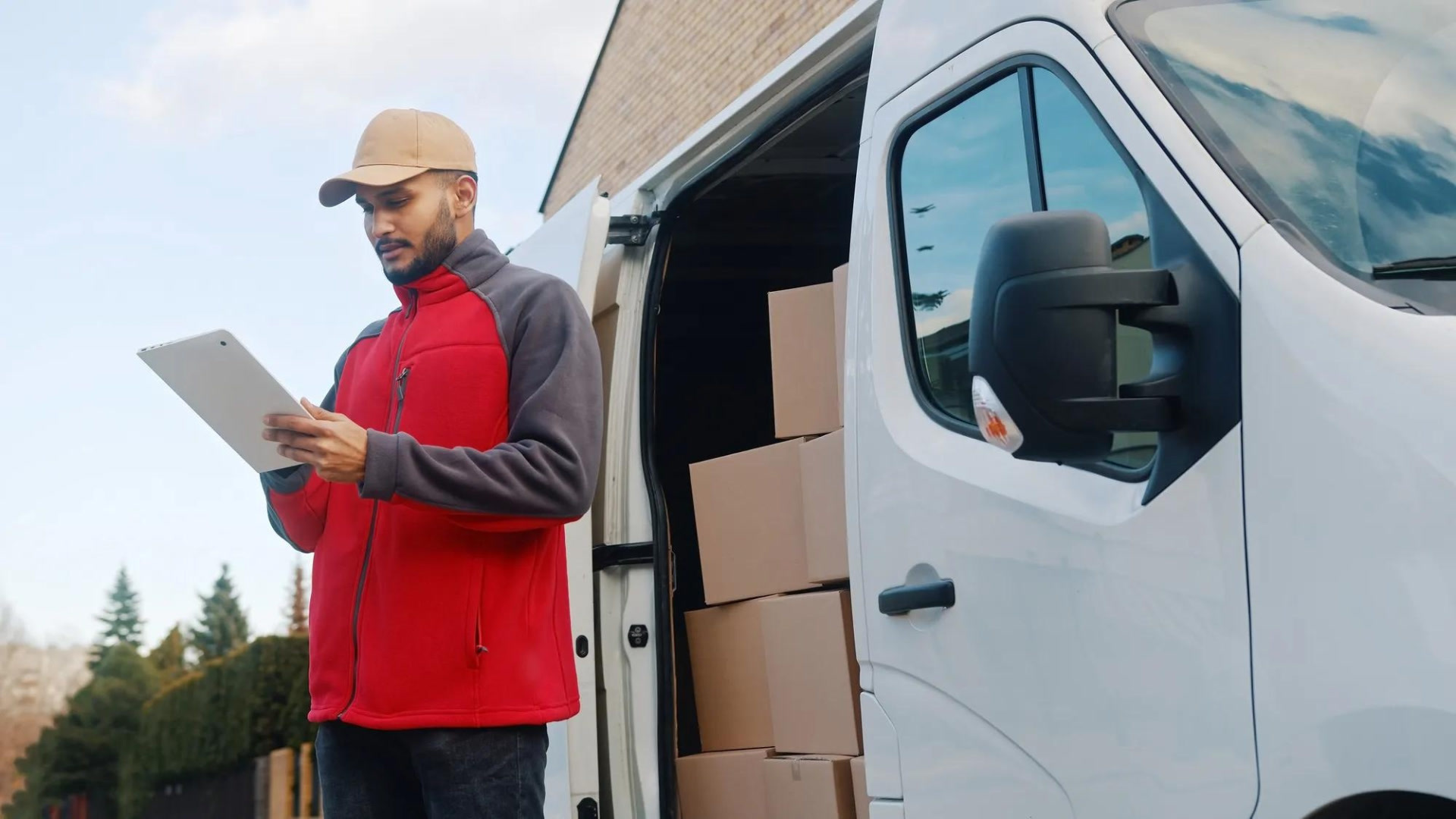
For many small and medium-sized businesses, vehicle idling is an invisible expense. Engines running while parked may not seem like a big deal, but when multiplied across an entire fleet, those minutes of idle time quickly add up to higher fuel bills, more maintenance costs, and increased emissions.
Research shows that a diesel van can burn up to 3.5 litres of fuel per hour when idling depending on vehicle size — fuel that produces no value, no distance, and no productivity. Reducing idle time is one of the fastest and easiest ways to improve fleet efficiency, cut costs, and support sustainability goals.
Idling also has a direct impact on the environment and health. According to research, “idling creates air pollution and is usually unnecessary. Car idling produces up to 150 balloons of exhaust emissions per minute which contains harmful chemicals like cyanide, nitrogen oxides (NOx) and tiny particles called PM2.5”.
This means, idling can also contribute to many health issues. Therefore, we need to take action and be part of the solution to avoid these unnecessary driving practices.
Reducing idling could save money, extend a vehicle's life and help your business run a cleaner and smarter fleet.
Here are six practical ways to reduce idling with the help of fleet management technology:
1. Track idling in real time
The first step in reducing idle time is visibility. Without data, it’s impossible to manage what you can’t see. Modern telematics systems allow you to monitor idling across your entire fleet — in real time.
With accurate reports and dashboards, you can identify when and where idling happens most often, spot trends, and compare performance between drivers or vehicles. This visibility helps businesses make data-driven decisions that lead to real savings.
2. Automate idling policies
Relying on manual enforcement is difficult and inconsistent. With telematics, you can automate idling policies that apply across your fleet.
Set custom idling limits by vehicle type, job role, or conditions — and let the system automatically flag exceptions for review. Some advanced solutions can even connect to the vehicle’s Engine Control Module (ECM) to shut off the engine after a preset idling period, ensuring compliance without extra effort from drivers.
Automated policies help you save fuel, lower emissions, and reduce engine wear — all while maintaining consistency and fairness.
3. Coach drivers using real-world data
Idling often happens out of habit — waiting in traffic, leaving the engine running while loading, or taking a break. Driver awareness and coaching are key to changing these patterns.
Fleet management data makes coaching easier and more objective. Managers can share clear examples of idling events, explain the cost and environmental impact, and show how reducing idle time improves overall efficiency.
Regular, positive coaching helps drivers understand why it matters — creating lasting behavioural change rather than short-term compliance.
Learn more about the hidden cost of idling and how to take control in our eBook.
4. Reward efficient driving
Recognition is a powerful motivator. By tracking idling performance over time, you can identify your most fuel-efficient drivers and reward them.
Small incentives — like fuel vouchers, internal awards, or public recognition — help reinforce positive habits. This not only reduces idle time but also boosts morale and strengthens your company’s safety and sustainability culture.
5. Optimise routes to avoid congestion
Traffic congestion and inefficient routing are common causes of unnecessary idling. Smart fleet management platforms use route optimisation and real-time traffic data to help drivers avoid bottlenecks, minimise wait times, and plan the most efficient journeys.
By optimising routes, you’re not only reducing idle time but also cutting travel distance, improving delivery schedules, and reducing emissions — a win for both your business and the environment.
6. Review, report, and continuously improve
Reducing idling isn’t a one-time effort. It’s a continuous process of tracking, reviewing, and improving.
Use monthly or quarterly reports to review your fleet’s progress, set new reduction targets, and celebrate milestones. Sharing these results with your drivers reinforces accountability and shows how individual actions contribute to the company’s bottom line.
Over time, these small improvements add up to big results — lower operating costs, less environmental impact, and longer-lasting vehicles.
The bigger picture: turning data into action
Reducing idling is about more than saving fuel — it’s about building a smarter, more sustainable fleet. With modern fleet management and telematics technology, SMBs across the UK can take control of their operations, reduce waste, and make meaningful progress toward efficiency and environmental goals.
By combining automation, coaching, and data-driven insights, your business can turn idle time into opportunity — improving productivity, profitability, and sustainability all at once.
Learn more about the hidden cost of idling and how to take control in our eBook available here.
Subscribe to the Geotab Blog
The Geotab Team write about company news.
Related posts
.jpg)
.jpg)
.jpg)
AI dash cams vs. traditional: which delivers better fleet safety?
March 10, 2026
4 minute read
Complete guide: how to reduce your fleet operational costs
March 6, 2026
4 minute read
.jpg)
How dash cams protect your drivers and your business: a practical guide
March 4, 2026
5 minute read