How to protect your margins from rising fuel costs and fleet inefficiencies
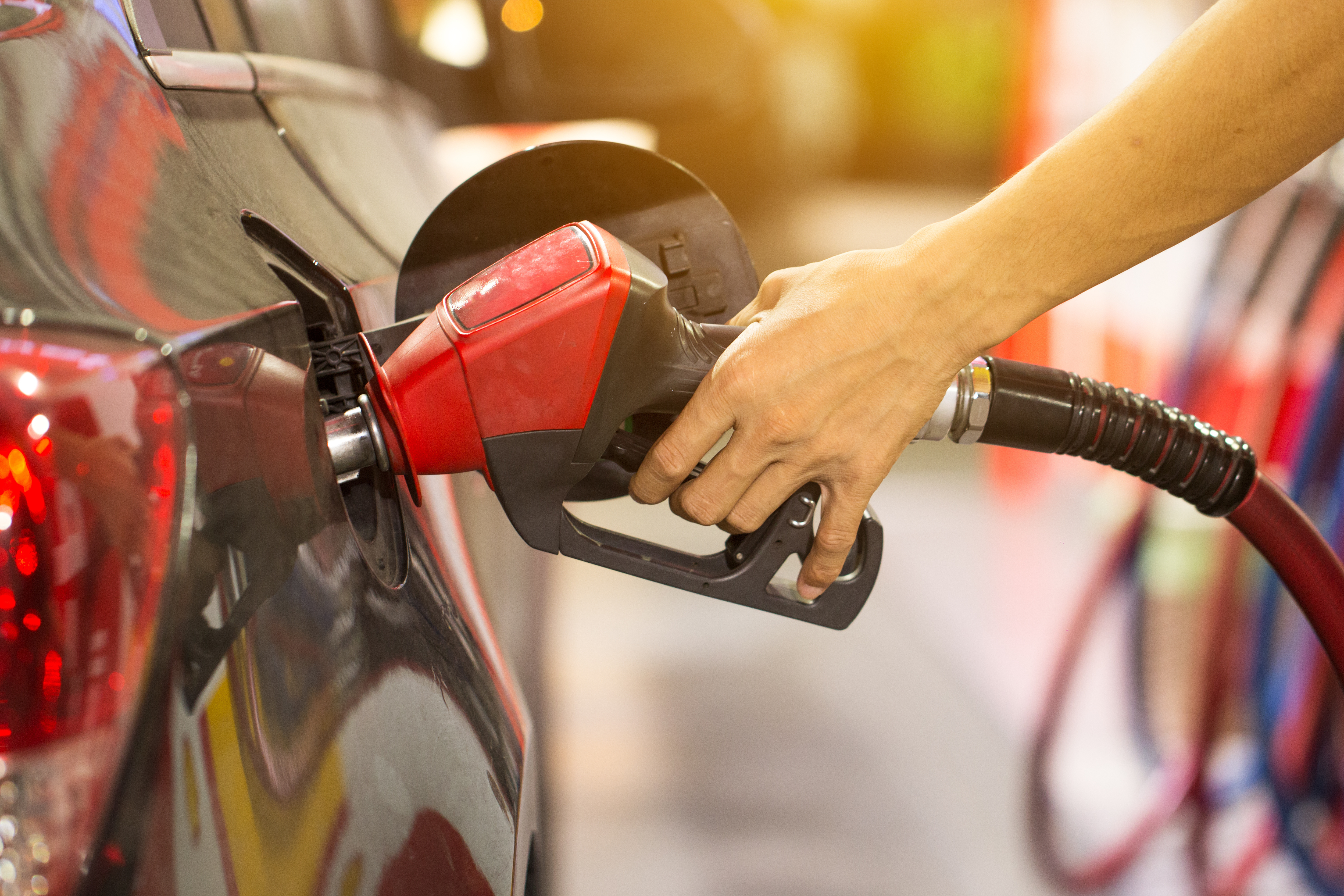
Rising diesel costs are squeezing Australian fleets. The good news: driver behaviour, maintenance and route planning still account for up to 30% of your fuel spend. Telematics gives you the tools to act on all three.

By Geotab Team
Apr 28, 2026
Key Insights
- Australian diesel prices surged past $3.00/L in March 2026, with wholesale terminal gate prices rising roughly 50% in under two weeks.
- Driver behaviour alone can increase fuel consumption by 15–30% at highway speeds.
- Predictive maintenance addresses hidden fuel drains like underinflated tyres, misaligned axles and clogged filters before they erode efficiency.
- Telematics platforms give fleet managers real-time visibility into fuel usage, enabling data-driven coaching, route optimisation and maintenance scheduling that delivers measurable savings.
Why should Australian fleet managers focus on fuel efficiency right now
Australian diesel prices hit record highs in early 2026 and remain high. Wholesale diesel terminal gate prices across Australian capital cities rose by approximately 50% in under two weeks.
The federal government responded by reducing the fuel excise (from 52.6 to 20.6 cents per litre) and pausing the heavy vehicle Road User Charge until 30 June 2026. These measures provide short-term relief, but they do not change the structural reality: Australia imports more than 90% of its refined fuel, holds limited diesel reserves, and remains exposed to global supply shocks.
For fleet operators, controlling the variables you can address has never been more important. Research consistently shows that these factors can influence fuel consumption by up to 30%, making them the most effective lever available when pump prices are beyond your control.
How does driver behaviour affect fleet fuel consumption
Driver behaviour is the single largest controllable factor in fleet fuel consumption. Analysis by the Massachusetts Institute of Technology found that speeding, rapid acceleration and harsh braking can reduce fuel economy by 15–30% at highway speeds and by as much as 40% in stop-and-go traffic.
For a heavy vehicle fleet running long-haul routes across Australia, even modest improvements translate to savings. By driving at 90kmh instead of 100kmh, you can reduce fuel use by nearly 10%..
Across a fleet of 50 trucks each covering 200,000 km per year, a 10% improvement in fuel efficiency at today’s diesel prices represents annual savings in the hundreds of thousands of dollars.
Telematics platforms track speeding, harsh braking and acceleration, excessive idling time and RPM management. This data feeds into driver scorecards that identify coaching opportunities to support drivers in building habits that protect both safety and the bottom line.
“Rising fuel prices continue to place pressure on Australia’s transport sector, making fuel efficiency a growing priority for heavy vehicle fleets,” says Andrew Hintz, Associate Vice President, Heavy Transport Australia at Geotab. “The operators who are getting ahead right now are the ones using real-time data to coach their drivers and address inefficiencies before they compound.”
What is the real cost of excessive idling for Australian fleets
Idling is one of the most common and most overlooked sources of fuel waste in commercial fleets.
Research conducted for the NSW Environment Protection Authority found that a heavy-duty truck engine consumes 2-4 litres of fuel per hour while idling. For a fleet of 30 trucks where each vehicle idles for an average of 45 minutes per day, that adds up to between 16,000 and 33,000 litres of diesel per year, all to go nowhere.
- A complete guide to fleet idling: Understand, detect and stop true idling
- Find out how Dubbo Council saved $50,000 on idling
At current diesel prices above $3.00/L, that idle time alone represents between $48,000 and $98,000 in annual fuel costs for a mid-sized fleet. That’s before accounting for the accelerated engine wear, increased maintenance costs and additional emissions that idling produces.
Telematics systems monitor idle time for each vehicle in real time and can trigger alerts to drivers when they exceed set thresholds. Fleets that implement idle-reduction programmes through telematics typically achieve a 30% reduction in unnecessary idling, delivering immediate and measurable savings.
How does predictive maintenance help improve fuel efficiency
Predictive maintenance is emerging as one of the most effective strategies for improving fuel economy across heavy vehicle fleets. Unlike traditional fixed-interval servicing, predictive maintenance uses real-time vehicle and engine data to identify potential faults before they affect performance or cause unplanned downtime.
In heavy transport, increasingly complex trucks mean that small mechanical issues can quickly increase fuel consumption. Common fuel-draining faults include:
- Underinflated tyres, which raise rolling resistance and can reduce fuel economy by 2% for every 10 PSI of underinflation
- Misaligned axles, which create drag and force the engine to work harder
- Clogged fuel and air filters, which restrict flow and reduce engine efficiency
- Faulty electrical sensors, which can cause the engine management system to use more fuel than necessary.
Telematics connected to Controller Area Network (CAN) Bus systems and Tyre Pressure Monitoring Systems (TPMS) allow fleet managers to monitor these indicators in real time and detect issues early.
- What is predictive maintenance? Benefits, challenges & examples for fleet management
- What is fleet maintenance? Key benefits and checklist for managers
On average, it takes two weeks for a driver to report a dashboard warning. With predictive maintenance, problems are flagged and addressed before they erode fuel efficiency or escalate into costly breakdowns.
“Predictive maintenance is an important strategy that helps operators boost fuel efficiency,” says Hintz. “With increasingly complex trucks, faulty electrical sensors or small mechanical issues can quickly increase fuel consumption. Telematics gives fleet managers the visibility to catch these problems early and keep heavy trucks running efficiently.”
How does route optimisation reduce fuel costs
The fastest route on a map is not always the most fuel-efficient one. Route optimisation tools analyse variables including traffic conditions, road gradient, vehicle load and stop patterns to identify paths that minimise fuel consumption while still meeting delivery schedules.
Industry studies consistently show that route optimisation can reduce fuel costs by 10–15%. For Australian fleets operating across vast distances, even small percentage improvements per trip add up across hundreds of journeys each year.
Telematics platforms track fuel usage, time on road and route adherence in real time. This data allows fleet managers to compare planned versus actual routes, identify deviations and continuously refine dispatch decisions to reduce unnecessary kilometres and fuel burn.
A practical fuel efficiency checklist for Australian fleet managers
| Area | Action | Expected impact |
| Driver behaviour | Implement telematics-based scorecards and coaching on speed, braking and acceleration | Driver behaviour can impact fuel consumption by up to 30% |
| Idling | Set idle-time alerts and review daily idle reports per vehicle | 30% reduction in idle time; $44,000 to $89,000 in annual fuel costs for a mid-sized fleet |
| Tyre maintenance | Monitor TPMS data and correct underinflation promptly | 2% improvement per 10 PSI corrected |
| Predictive maintenance | Use CAN bus fault codes to schedule proactive servicing | Reduced unplanned downtime and fuel drain from faulty components |
| Route optimisation | Analyse route efficiency data and adjust dispatch decisions | 10–15% reduction in fuel costs |
| Fuel card reconciliation | Integrate fuel cards with telematics to flag discrepancies | Identifies fuel theft and purchase anomalies |
Why fuel efficiency and emissions reduction go hand in hand
Every litre of diesel saved is approximately 2.7 kg of CO₂ that is not released into the atmosphere. Fuel efficiency improvements therefore deliver a direct environmental co-benefit alongside cost savings.
For fleet operators facing increasing reporting obligations under ESG frameworks and the National Greenhouse and Energy Reporting Scheme, telematics data provides the verifiable, vehicle-level emissions records needed to support compliance and demonstrate progress. This data can be segmented by vehicle, driver, route or time period, giving operators the granularity to report accurately and identify further reduction opportunities.
How telematics turns fuel data into actionable decisions
A telematics platform consolidates vehicle data into a single, actionable dashboard. Fleet managers can monitor fuel consumption patterns, set alerts for inefficient behaviours, benchmark performance across the fleet and track improvement over time.
Key capabilities to look for in a fuel management telematics solution include:
- Real-time fuel consumption tracking by vehicle and driver
- Idle time monitoring with configurable alert thresholds
- Driver behaviour scorecards covering speed, acceleration, braking and RPM
- Predictive maintenance alerts based on CAN Bus data, including engine health, tyre pressure and fault codes
- Route efficiency analysis comparing planned versus actual routes
- Integration with fuel card systems to reconcile purchases against actual consumption
- Carbon reporting tools for ESG and compliance requirements
By consolidating these insights in one place, telematics moves fuel management from reactive guesswork to proactive, data-driven decision-making. The result is a measurable reduction in fuel costs, improved driver safety and a stronger environmental position. These outcomes compound over time as data quality and operational discipline improve.
You cannot control global oil prices, but you can control how efficiently your fleet uses fuel. Driver behaviour, predictive maintenance and route optimisation collectively influence up to 30% of fuel consumption. Telematics platforms provide the real-time visibility needed to act on all three.
Frequently Asked Questions
Research from the US Department of Energy and MIT shows that correcting aggressive driving behaviours can improve fuel economy by 15–30% at highway speeds. Fleets that implement telematics-based coaching programmes typically see measurable improvements within the first month.
Most mid-sized fleets see a return on their telematics investment within three to six months, driven primarily by fuel savings, reduced idling and fewer unplanned maintenance events. Fuel savings alone often exceed the cost of the telematics subscription several times over.
Preventive maintenance follows fixed schedules (e.g. every 10,000 km). Predictive maintenance uses real-time telematics data to identify the actual condition of components and schedule servicing only when needed. This approach reduces both unplanned downtime and unnecessary servicing costs.
As of April 2026, the federal government has reduced fuel excise and paused the heavy vehicle road user charge until 30 June 2026. Fleet operators should consult with their accountant about claiming telematics hardware and subscriptions as a tax-deductible business expense.
Fuel efficiency and electrification are complementary strategies. For diesel vehicles that will remain in the fleet for years to come, optimising driver behaviour, maintenance and routing maximises the value of every litre consumed. For EVs and hybrids, the same telematics platforms monitor energy consumption, regenerative braking efficiency and battery health, ensuring the benefits of good operational discipline carry over to electric fleets.
The Geotab Team write about company news.
Table of contents
- Why should Australian fleet managers focus on fuel efficiency right now
- How does driver behaviour affect fleet fuel consumption
- What is the real cost of excessive idling for Australian fleets
- How does predictive maintenance help improve fuel efficiency
- How does route optimisation reduce fuel costs
- A practical fuel efficiency checklist for Australian fleet managers
- Why fuel efficiency and emissions reduction go hand in hand
- How telematics turns fuel data into actionable decisions
Related posts
.jpeg)
How Small Australian Fleets Hedged Against the 2026 Fuel Expenditure Shift
September 2, 2026
3 minute read

Geotab launches the 2026 report: connected fleets in Australia
June 15, 2026
2 minute read
Why Device-Agnostic Driver Apps Are the Next Step for Australian Heavy Transport
May 18, 2026
4 minute read
The government slashed fuel excise. What does it mean for your Fuel Tax Credits?
April 7, 2026
5 minute read