How small UK fleets hedged against the 2026 fuel price surge
For small and medium-sized enterprises (SMEs) fleet management is key for their operational margins.

By Geotab Team
Sep 9, 2026
Key Insights
- Fuel prices surged to 177.7p per litre in 2026, forcing UK fleets to cut unbillable latency.
- GPS telematics helps small-sized UK fleets lower overall fuel consumption by 48%
Understanding the 2026 fuel price pressure on small fleets
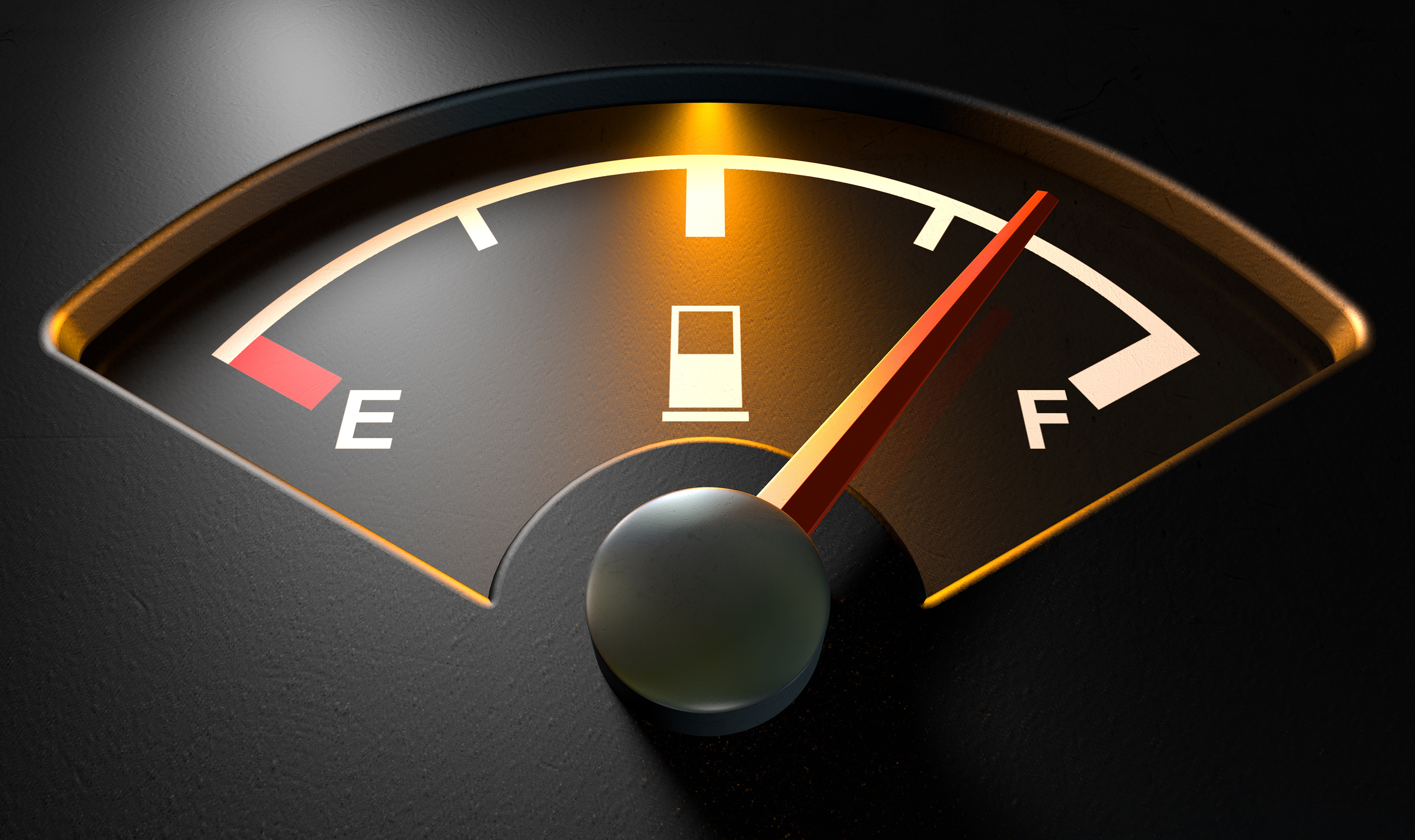
Operating a small or mid-sized commercial vehicle fleet requires balancing tight operational budgets against highly volatile external economic factors. In recent macroeconomic developments, unexpected shifts in global energy supply chains have pushed domestic diesel costs at the pump to a striking 177.7p per litre, with prominent market analysts warning that sustained wholesale market volatility could push those averages toward 185p.
For a large multi-national enterprise, a temporary spike in fuel is an inconvenience that can be absorbed by deep corporate reserves; for a British SME running between 1 and 29 vehicles, it represents a direct threat to daily business viability.
According to the Geotab Report 2026: Connected Fleets in the UK, fuel consumption consistently represents one of the single largest, most volatile line items in an operational budget. Specifically, the data reveals that 32% of UK fleets assign a staggering 20% of their total expenditure purely to fuel, while another 13% see fuel costs swallow 25% or more of their entire operational capital. When more than a fifth of your cash flow is tied directly to the fuel pump, traditional manual management methods are no longer sufficient to keep a business profitable.
How data intelligence acts as an inflation hedge
To insulate their margins from these localised inflationary pressures, forward-thinking operators are turning to precision telematics to turn raw data into direct cost avoidance. Rather than accepting rising fuel spend as an unavoidable cost of doing business, connected fleet platforms provide small business owners with deep, real-time visibility into the exact operational areas where fuel is leaked.
The data from the 2026 report shows a clear breakdown of fuel reduction achieved across different business sizes after deploying GPS tracking and smart fleet management technology:
- Small fleets (1–29 vehicles): achieved an average 48% reduction in fuel consumption.
- Mid-sized fleets (30–149 vehicles): reached a 55% drop in fuel consumption.
- Enterprise fleets (150+ vehicles): secured a 43% reduction in fuel consumption.
Small fleets achieve highly significant efficiency gains because they operate with thinner margins and have less capital to absorb operational waste. By actively eliminating unnecessary driver idling, routing errors, unauthorised vehicle usage, and aggressive driving behaviours, agile teams can ensure every single litre of premium diesel converts directly into billable revenue rather than wasted overhead.
Download the Geotab report 2026: Connected fleets in the UK
Eliminating idling and latency with GPS fleet tracking
A major source of hidden fuel waste across commercial operations is vehicle idling. When a utility van or delivery truck idles excessively at a busy job site, during urban gridlock, or while a driver completes manual paperwork, it consumes valuable fuel without contributing to the business's productivity. The report highlights that 50% of small businesses successfully decreased their fuel consumption as a direct result of implementing GPS fleet tracking solutions.
By using near real-time location intelligence, fleet managers transition from historical, static monitoring to active operational orchestration. They can pinpoint exactly which specific assets are running unnecessarily, track localised driving patterns that accelerate fuel burn, and establish clear driver coaching benchmarks to cultivate sustainable driving habits across the workforce. This digital control transforms fuel management from a back-office administrative afterthought into a proactive strategy for daily corporate resilience.
Maximising fleet yield via AI-powered route optimisation
Fuel waste is also deeply linked to sub-optimal routing. In the high-density urban corridors of the UK, navigating daily roadworks, traffic congestion, and expanding clean air zones (CAZ) manually often results in excessive mileage and unbillable latency. Implementing AI-driven route optimisation allows small businesses to analyse live traffic variables dynamically, ensuring that every vehicle takes the absolute most efficient path possible.
The broader operational impacts of introducing AI routing into a small fleet are highly clear:
- Last-mile velocity: 71% of UK operators confirmed that AI-powered optimisation successfully reduced last-mile delivery times.
- Punctuality and reliability: 75% of UK fleets reported a direct improvement in on-time delivery rates, preserving critical client SLAs.
- Fuel resilience: nearly half of the UK market (49%) successfully leveraged AI routing logic to drive down total fuel costs.
When vehicles spend less time stuck in traffic and more time completing active jobs, fuel utilisation metrics improve dramatically. This optimisation enables small operations to achieve higher job density—completing more service calls per day without the need to increase fixed vehicle or driver overhead.
Download the Geotab report 2026: Connected fleets in the UK
The compounding benefits of smart fuel management
Reducing your monthly fuel bill produces a powerful, compounding positive ripple effect across your entire operational ledger. When an SME actively manages its vehicle paths and driving styles to minimise fuel consumption, it also reduces structural stress on critical vehicle components like brake pads, tyres, and engines.
The data confirms that combining GPS tracking with efficient asset management helps UK operations achieve a 25% reduction in vehicle maintenance costs. Furthermore, these highly optimised daily operations allowed 54% of UK fleets to achieve a complete, positive return on investment (ROI) in under 12 months from technology deployment, proving that data-driven software pays for itself rapidly in a high-cost economy.
Subscribe to the Geotab Blog
Frequently Asked Questions
According to the Geotab Report 2026, small fleets (1–29 vehicles) achieved an average 48% reduction in fuel consumption by utilising GPS tracking to eliminate excessive idling, coach driver habits, and optimize routes.
Data indicates that 32% of UK fleets allocate 20% of their total operational budget to fuel, while a further 13% see fuel costs rise to 25% of their total spending
AI route optimisation analyses live traffic variables and roadworks dynamically, helping 49% of fleets reduce fuel costs by eliminating unbillable latency and ensuring vehicles take the most efficient path
The Geotab Team write about company news.
Table of contents
Subscribe to the Geotab Blog
Related posts

How small businesses use telematics to slash operational costs
October 19, 2026
2 minute read
The 5 most common digital tachograph penalties in EMEA (and how SMBs can avoid them)
October 9, 2026
2 minute read

Beyond van tracking: turning fleet data into bottom-line growth
October 9, 2026
3 minute read

Why the OEM versus device-level telematics debate misses the point for mixed-fleet operators
September 25, 2026
2 minute read

How small construction fleets use asset tracking to halt site theft
September 9, 2026
2 minute read

Is fleet telematics worth the money? Calculating your small fleet ROI
September 9, 2026
2 minute read