AI dash cams for small fleets: Building driver trust and safer habits
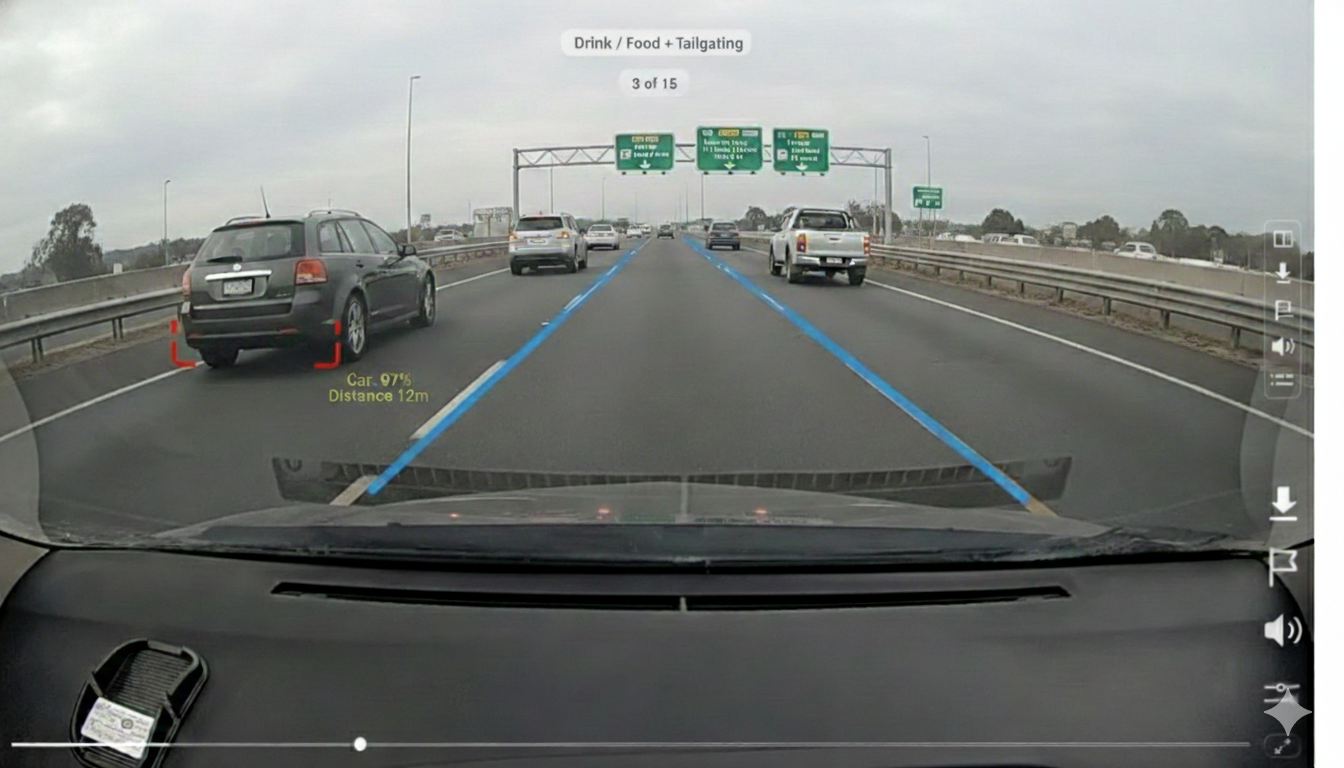
Driver-facing cameras can raise questions for small fleet teams. This guide explains how to introduce video telematics with clear expectations, use footage as context during incident reviews and focus on coaching, using findings from Geotab’s 2026 Australian report.

By Geotab Team
Nov 27, 2026
Key Insights
- 30% of small Australian fleets reported using in-cab video in Geotab’s 2026 survey.
- 65% of surveyed businesses reported improved driver safety after using video telematics.
- 61% of businesses using in-cab video reported fewer false claims in the 2026 report.
Start with the purpose, not the camera
For a small business, a serious road incident can affect a driver, a vehicle and the day’s work. Video telematics can add context to safety events and support conversations about driving habits. The first step is to explain why the business is considering the technology and how it will be used.
Driver questions are natural. Invite them early, explain the intended safety purpose in plain language and give the team a chance to raise practical concerns. Agree on who will review footage, what happens after an event and how coaching conversations will be handled. Confirm your organisation’s policies before deployment.
What the Australian survey found
In the Geotab Report 2026: Connected Fleets in Australia, 30% of small fleets reported using in-cab video. Across surveyed businesses, 77% said in-cab video was very or extremely beneficial to managing their fleets. The report also says 65% of businesses improved driver safety and 61% reduced false claims after implementing video telematics.
These figures describe reported outcomes among survey respondents. They are not a guarantee that a camera will prevent an event or resolve a claim. For industry-specific results and the survey context, read the full report.
Make coaching useful and consistent
A constructive programme looks beyond a single clip. Review the context, listen to the driver and focus on patterns that can be improved. Recognise positive habits as well as discussing risks, and make sure managers use the same process across the team.
Set a regular review rhythm that suits your fleet. Use clear examples, agree on practical next steps and check whether the coaching is helping. The aim is to support safer driving and a fair, consistent process—not to turn every journey into a disciplinary conversation.
Explore video telematics options
Geotab’s dash camera solutions explain available video telematics options. Compare product capabilities with your needs and confirm the operating details before making a decision.
For a customer example, read how BC Sands reduced unsafe driving occurrences by 45%.
Frequently Asked Questions
Explain the safety purpose, invite questions and agree on a consistent process for reviewing events and coaching. Share the plan with the team before rollout.
Footage may provide additional context for a review. It does not by itself determine fault or guarantee a particular outcome.
Across surveyed businesses, 65% reported improved driver safety and 61% reported fewer false claims after implementing video telematics. These are reported survey outcomes.
Review the dash camera solutions and GO Focus Plus pages, then contact Geotab to discuss a demo.
The Geotab Team write about company news.
Related posts

How to manage fleet operating costs: A practical guide for Australian SMBs
November 27, 2026
1 minute read

AI in fleet management: A plain-English guide for small businesses
November 27, 2026
1 minute read

Logistics planning for small fleets: A practical dispatch guide
November 27, 2026
1 minute read
10 ways telematics can help heavy transport and logistics
November 23, 2026
5 minute read

Trailer telematics: How fleets track and manage trailers in real time with GO Anywhere Plus
November 9, 2026
4 minute read
How asset tracking can support cargo security for Australian fleets
November 5, 2026
4 minute read