AI in fleet management: A plain-English guide for small businesses
AI can sound like a large, expensive project, but small fleet operators can start with practical questions about routes, vehicle use and maintenance. This guide separates useful fleet data from hype and explains what the 2026 Australian survey does—and does not—show.

By Geotab Team
Nov 27, 2026
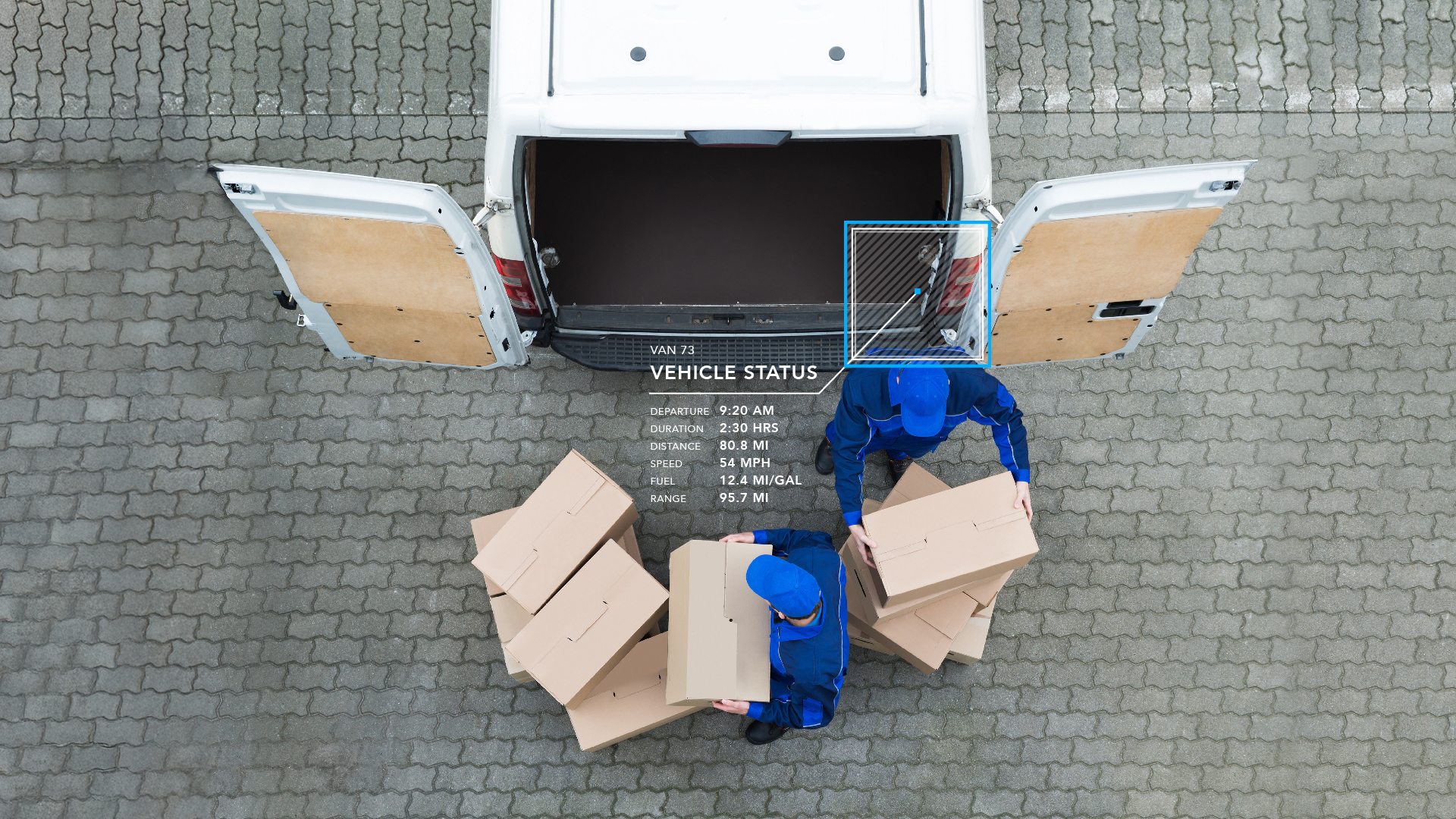
Key Insights
- 87% of small businesses reported lower fleet costs after using GPS tracking in the 2026 survey.
- 65% of small operators achieved a positive telematics ROI in under 12 months, the report says.
- 60% of small businesses using AI optimisation reported shorter delivery windows in 2026.
AI is a tool, not a fleet strategy
Artificial intelligence can help software find patterns or make recommendations, but it is not a substitute for knowing how your business works. A useful starting point is a recurring task: planning routes, keeping track of vehicles or deciding which maintenance issue to review first.
For a small fleet, the question is not whether a tool uses AI. Ask whether it solves a real problem, fits the way your team works and gives people information they can act on.
Three practical places to start
1. Route planning
Route planning can help dispatchers organise stops and adapt schedules when the day changes. In Geotab’s 2026 report, 60% of small businesses using AI optimisation reported shorter delivery windows and 51% reported lower fuel costs. These are respondents’ reported outcomes, not guaranteed savings.
2. Vehicle and driver visibility
Fleet data can help managers see where vehicles are and review trips, driving behaviour and usage patterns. Use those insights to ask focused questions with the team, such as where delays recur or whether a schedule is realistic.
3. Maintenance planning
Maintenance information can help teams keep service work visible and plan ahead. Use alerts and vehicle records as prompts to investigate; a software notice is not a diagnosis, so maintenance decisions should follow the appropriate inspection and service process.
Read the evidence carefully
The 2026 report found that 87% of small businesses reported a reduction in total fleet costs after implementing GPS tracking, and 65% of small operators achieved a positive return on investment in under 12 months.
These results relate to connected fleet technology overall. They do not measure the effect of AI alone.
The report draws on responses from 517 fleet managers and mobility experts across Australian industries. Read the Geotab Report 2026: Connected Fleets in Australia for the survey detail and results by fleet size.
Choose a useful first step
Write down one operational question, how you will measure it and who will use the result. Then compare your needs with a platform that brings fleet information into one place. Start with a clear problem, test the workflow with your team and expand only when the information is helping.
Frequently Asked Questions
No. GPS tracking, reports and maintenance information can be useful without an AI feature. Start with the operational task you want to improve.
It says 60% of small businesses using AI optimisation reported shorter delivery windows and 51% reported lower fuel costs. These survey results are not guaranteed outcomes.
No. Its figures on cost reductions and ROI refer to connected fleet or GPS tracking technology overall, not the isolated effect of AI.
Visit the MyGeotab for small businesses page or contact Geotab to discuss a demo.
The Geotab Team write about company news.
Related posts

How to manage fleet operating costs: A practical guide for Australian SMBs
November 27, 2026
1 minute read
AI dash cams for small fleets: Building driver trust and safer habits
November 27, 2026
1 minute read

Logistics planning for small fleets: A practical dispatch guide
November 27, 2026
1 minute read
10 ways telematics can help heavy transport and logistics
November 23, 2026
5 minute read

Trailer telematics: How fleets track and manage trailers in real time with GO Anywhere Plus
November 9, 2026
4 minute read
How asset tracking can support cargo security for Australian fleets
November 5, 2026
4 minute read