Can dash cams lower fleet insurance costs? Building the case with video telematics
Learn how video telematics can cut dash cam review workload, strengthen claims evidence and help fleets build a credible case for lower insurance premiums.

By Geotab Team
Oct 15, 2026
Key Insights
- The UK Civil Engineering contractor Barhale reduced fleet risk with Geotab telematics and AI video and negotiated a 2.7% premium reduction despite 40% fleet growth.
- A 2026 survey of UK insurance brokers found that fleets using dash cams could get an insurance premium reduction of 11.5% on average.
- Geotab’s Smart Sequence™ surfaces the dash cam footage with the riskiest behaviours and events first, helping managers prioritise the events that most need attention.
Does a dash cam lower fleet insurance premiums?
When dash cams are integrated into a wider fleet safety programme, they can support lower insurance premiums, although there’s no guaranteed discount. Insurers calculate premiums according to factors such as fleet profile, claims history, collision frequency & severity, and the fleet’s risk management controls. Video telematics can strengthen the case for a reduced premium when the fleet can demonstrate a measurable reduction in risk and stronger claims evidence.
A 2026 survey of 250 UK insurance brokers found that fitting dash cams could lead to an average premium reduction of 11.5%. Beyond any potential reduction in premiums, dash cams can deliver wider operational value when the footage is integrated with telematics data and is prioritised for managerial review. This article looks at how fleets can generate the greatest value without creating significantly extra workload for managers.
Dash cams only create genuine operational value when they reduce workload
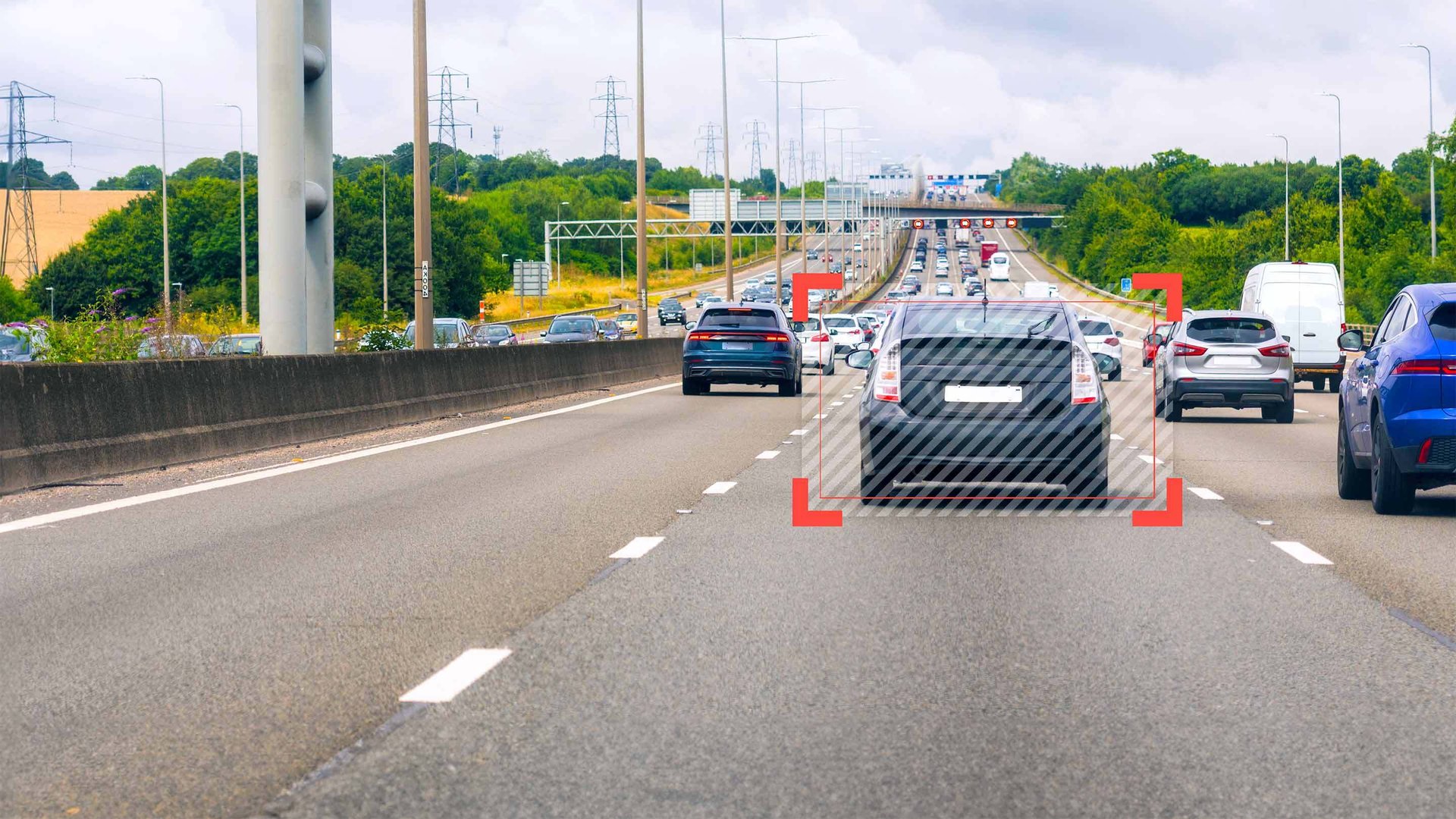
When a fleet of 100 vehicles or more introduces dash cameras, the volume of safety events available for review can quickly become overwhelming. Fleet and safety managers may want to use real-world footage of near-misses, distraction and other high-risk behaviours for driver coaching, while also needing to retrieve relevant footage after collisions and disputed claims.
The operational challenge is identifying the events that genuinely require attention. If managers have to review a large volume of alerts, or search manually for the relevant footage, much of their time can be spent finding the incidents, rather than acting on them.
AI-based video systems can reduce this burden by generating short clips around detected safety events and prioritising them according to risk, allowing managers to focus their time on the events that are likely to have the greatest safety impact.
The hidden cost of standalone cameras
When managers have to move between separate systems to piece together the full story behind a risky driving event or collision, incident review becomes slower and more fragmented.
A telematics platform may flag a sudden braking event, for example, while the corresponding footage sits within a separate camera portal. The manager then has to locate the matching event and manually align the camera timestamp with the vehicle data.
The same challenge arises during claims investigations. When video and telematics are managed separately, supporting data such as vehicle speed, location and driving events may need to be retrieved and matched manually. Integrated video telematics removes much of this cross-referencing by presenting the video and vehicle data together.
How integrated video telematics supports incident review
Integrated fleet video telematics brings camera footage and vehicle data such as speed, location and driving events into the same platform, giving managers greater context without having to reconstruct an event across separate systems. To understand how integrated video telematics can support driver exoneration and false-claim defence, see Geotab’s guide to AI video telematics in Europe.
Where dash cameras deliver measurable ROI
A dash camera system delivers real operational value to a fleet when it helps them in three core areas.
Reducing administration time
Managerial time devoted to safety is most valuable when it is focused on delivering driver coaching, identifying safety trends and developing risk-reduction strategies. AI-powered video prioritisation can reduce the amount of time spent searching for relevant footage, allowing managers to concentrate more of their attention on the events and behaviours that require their intervention to improve driver safety.
Reducing incident frequency and costs
Video telematics can contribute to fewer and lower-cost incidents when footage and safety data are actively incorporated into driver coaching and risk management. AI-powered cameras that provide drivers with in-cab coaching for distracted or dangerous driving enable the driver to self-correct their behaviour in the moment, actively improving their own safety. In a four-month trial, UK healthcare transport provider HATS Group reduced incident frequency by 78% and incident cost by 96% after introducing a combined Geotab telematics and camera-based safety solution.
Improving claims outcomes
When integrated video telematics evidence is used to support an insurance claim, it can help fleets better establish the circumstances of an incident. The footage provides an objective record of the events leading up to and during a collision, while the corresponding telematics data adds context such as vehicle speed and driving events. Together, this can make it easier to challenge inaccurate accounts and support a more favourable liability outcome where the evidence shows the driver wasn’t at fault.
An example of this comes from SG Haulage, a UK transport operator, that used Geotab video telematics evidence to dispute three incidents, avoiding an estimated £10,000 in potential insurance-related costs.
How to use video telematics to build a case for lower insurance premiums
Fleets gain the most from dash cams at renewal when they can show how the technology is being used to reduce risk over time. That means going beyond installation and presenting evidence of changes in collision frequency, claims outcomes, driver behaviour and the processes used to manage high-risk events.
Barhale, a civil engineering contractor, provides a useful example of how an improving risk profile can strengthen the insurance conversation. Despite growing its fleet by 40%, the fleet reduced preventable collisions by 8.8%, eliminated high-risk drivers and negotiated a 2.7% reduction in insurance premiums. Because fleet size increased significantly, the headline premium reduction doesn’t capture the full scale of the improvement in its underlying insurance position.
Show the baseline risk position
Record the previous two or three years of accidents, claims outcomes, severity and total claims costs. Add relevant telematics data, such as driver risk scores and trends in speeding, harsh braking, acceleration and cornering.
Show changes in collisions
From the point that video telematics has been introduced in the fleet, continue tracking the same measures to show whether collision frequency and severity are improving over time. Tracking changes in driver behaviour can also be a useful indicator of falling risk. A lower proportion of high-risk drivers can suggest that the fleet’s underlying risk profile is improving.
Show how video is used in claims
Document the procedures that the risk team is using to integrate video evidence into claims handling. Where the evidence exists, show examples of footage helping to establish that a driver was not at fault or supporting a more favourable liability decision in a disputed claim.
Show how high-risk events are prioritised and coached
Using footage for driver coaching demonstrates that the fleet is actively addressing risk before it develops into a claim. Show how high-risk events are prioritised, reviewed with drivers and followed through into targeted coaching. A structured process demonstrates that the fleet is actively addressing risk and that the programme can be sustained at scale.
Show how quickly incidents are reviewed and escalated
Document the incident review process, including the fleet’s target for First Notification of Loss (FNOL) and the actual time being achieved in practice. This demonstrates both the expected process and actual performance.
Show the trend over time
Present these measures over time so the insurer can see whether risk is improving. Simple trend charts covering collision frequency, claims severity, high-risk drivers and FNOL performance can make the change easier to assess.
Standalone dash cams vs integrated video telematics
When comparing fleet camera systems, it’s important to consider how the video footage will be combined with the wider vehicle data that supports incident review, claims and driver coaching.
| Area | Standalone dash cams | Integrated video telematics |
|---|---|---|
| Video evidence | Available within the camera system | Available alongside relevant fleet data |
| Vehicle context | Basic context such as GPS location and speed may be available with some camera systems, or have to be retrieved separately | Video can be reviewed with supporting telematics such as location, speed and driving events |
| Event matching | May require manual matching between camera and telematics timestamps | Video and vehicle event data can be reviewed together |
| Risk prioritisation | Depends on camera system capabilities | Can combine camera-detected and telematics risk within the wider fleet safety workflow |
| Driver coaching | May be available within the camera platform | Video events can feed directly into wider driver safety and coaching processes |
| Claims investigation | Video may need to be combined manually with other fleet evidence | Relevant video and vehicle context can be retrieved together |
| Platforms | Camera and telematics sit in separate systems | Video and telematics are managed within one fleet platform |
How to calculate the financial value of AI video telematics
A 2026 UK fleet insurance guide puts the indicative annual cost for a van fleet at between £700 and £1,500 per vehicle. Taking the midpoint of that price range and calculating it for a fleet of 100 vans, this creates an annual insurance premium of £110,000. If the fleet achieved the 11.5% reduction that surveyed UK brokers found to be the average potential reduction in premiums from using dash cams, this would generate an annual saving of £12,650.*
Any insurance saving sits alongside other measurable benefits, such as lower collision costs, avoided disputed claims and reduced management time spent reviewing and assembling incident evidence. These should be calculated using the fleet’s own historic data rather than generic assumptions.
*Illustrative example only. Actual insurance premiums and any reduction achieved will vary by fleet, risk profile, claims history and insurer, and are not guaranteed.
How Geotab’s AI video telematics helps prioritise fleet risk
The Geotab GO Focus family of dash cams brings video and vehicle telematics together within MyGeotab, allowing safety teams to review camera events alongside the supporting telematics data.
The GO Focus provides road-facing, event-driven video for relevant safety events, giving fleets an integrated source of footage without in-cab monitoring. The GO Focus Plus adds AI-powered risk detection and in-cab coaching. Smart Sequence™ surfaces the riskiest behaviours and events first, flags compound risks and previews the most significant moment of an event.
These capabilities allow fleets to use video as part of an ongoing risk-management process rather than treating it purely as evidence after a collision. Safety teams can prioritise high-risk behaviour, coach drivers and track progress, while integrated video and telematics provide supporting context when incidents need to be investigated.
See how Geotab can help your safety team focus on the risks that matter most
Subscribe to the Geotab Blog
Frequently Asked Questions
There is no standard dash cam insurance discount for commercial fleets. However, a dash cam may support a lower premium where the insurer can see measurable evidence of reduced risk. Video telematics can strengthen the case at renewal when the fleet can demonstrate that as a result, they have had fewer incidents, better claims evidence and sustained improvement in driver risk.
A 2026 survey of UK insurance brokers found an average potential premium reduction of 11.5% for vehicles fitted with dash cams.
AI video systems can classify detected driving events and prioritise those with the greatest safety significance, reducing the amount of footage managers need to manually search through. More advanced systems can also identify repeated or compound risks, allowing safety teams to focus their review and coaching on the drivers and behaviours that need the most attention.
The most important consideration is how easily the camera system connects with the rest of your vehicle telematics and the wider safety programme. Standalone cameras can provide sophisticated video, AI and coaching capabilities, but separate systems may require managers to manually reconcile footage with vehicle data.
An integrated video telematics solution brings footage, location, speed and driving-event data into the same management platform. Fleets should compare functionality, integration, privacy controls and total management workload rather than choosing on camera specifications alone.
Geotab Team
The Geotab Team write about company news.
Table of contents
- Does a dash cam lower fleet insurance premiums?
- Dash cams only create genuine operational value when they reduce workload
- The hidden cost of standalone cameras
- How integrated video telematics supports incident review
- Where dash cameras deliver measurable ROI
- How to use video telematics to build a case for lower insurance premiums
- Standalone dash cams vs integrated video telematics
- How to calculate the financial value of AI video telematics
- How Geotab’s AI video telematics helps prioritise fleet risk
- See how Geotab can help your safety team focus on the risks that matter most
Subscribe to the Geotab Blog
Related posts
How small businesses use telematics to slash operational costs
October 19, 2026
2 minute read
The 5 most common digital tachograph penalties in EMEA (and how SMBs can avoid them)
October 9, 2026
2 minute read

Beyond van tracking: turning fleet data into bottom-line growth
October 9, 2026
3 minute read

How small construction fleets use asset tracking to halt site theft
September 9, 2026
2 minute read

Is fleet telematics worth the money? Calculating your small fleet ROI
September 9, 2026
2 minute read

Why manual spreadsheet fleet tracking fails UK small businesses
September 9, 2026
2 minute read