What is telematics? A complete guide for fleet managers
Understand how fleet operators use telematics data to cut costs, improve safety and meet compliance requirements across vehicles of all types and sizes.

By Geotab Team
Sep 18, 2026
Key Insights
- Critical vehicle telematics data for fleet management includes GPS location, vehicle speed, vehicle health indicators, driver performance metrics and fuel consumption.
- Organisations can use telematics to help them optimise fleet safety, sustainability, productivity and compliance.
- Connected telematics gives teams clearer visibility into fleet performance and trends to help them make stronger, more informed decisions.
- A telematics-assisted safety programme can reduce collisions by as much as 70%, and high-risk driver ratios by 90%, based on Geotab customer data.
- Anti-idling measures powered by telematics insights can reduce fleet fuel consumption by between 1–5%.
Telematics is a method of monitoring cars, vans, trucks and other assets using GPS technology and on-board diagnostics (OBD). Also known as fleet tracking or GPS vehicle tracking, telematics is an essential fleet management tool for the public and private sectors. In this blog article, we break down the features of a telematics system and its diverse applications for fleet management.
What is telematics?
The term telematics is a blend of two terms: telecommunication and informatics. Telecommunication is the exchange of information using technology, and informatics is the use of computers to gather and analyse data and manage real-world systems.
The technology is used to monitor a wide range of information relating to an individual vehicle or an entire fleet. Telematics systems gather data including vehicle location, driver behaviour, engine diagnostics and vehicle activity, and visualise this data on maps and in dashboards and reports in software platforms that help fleet operators to effectively manage their resources.
How does telematics work?
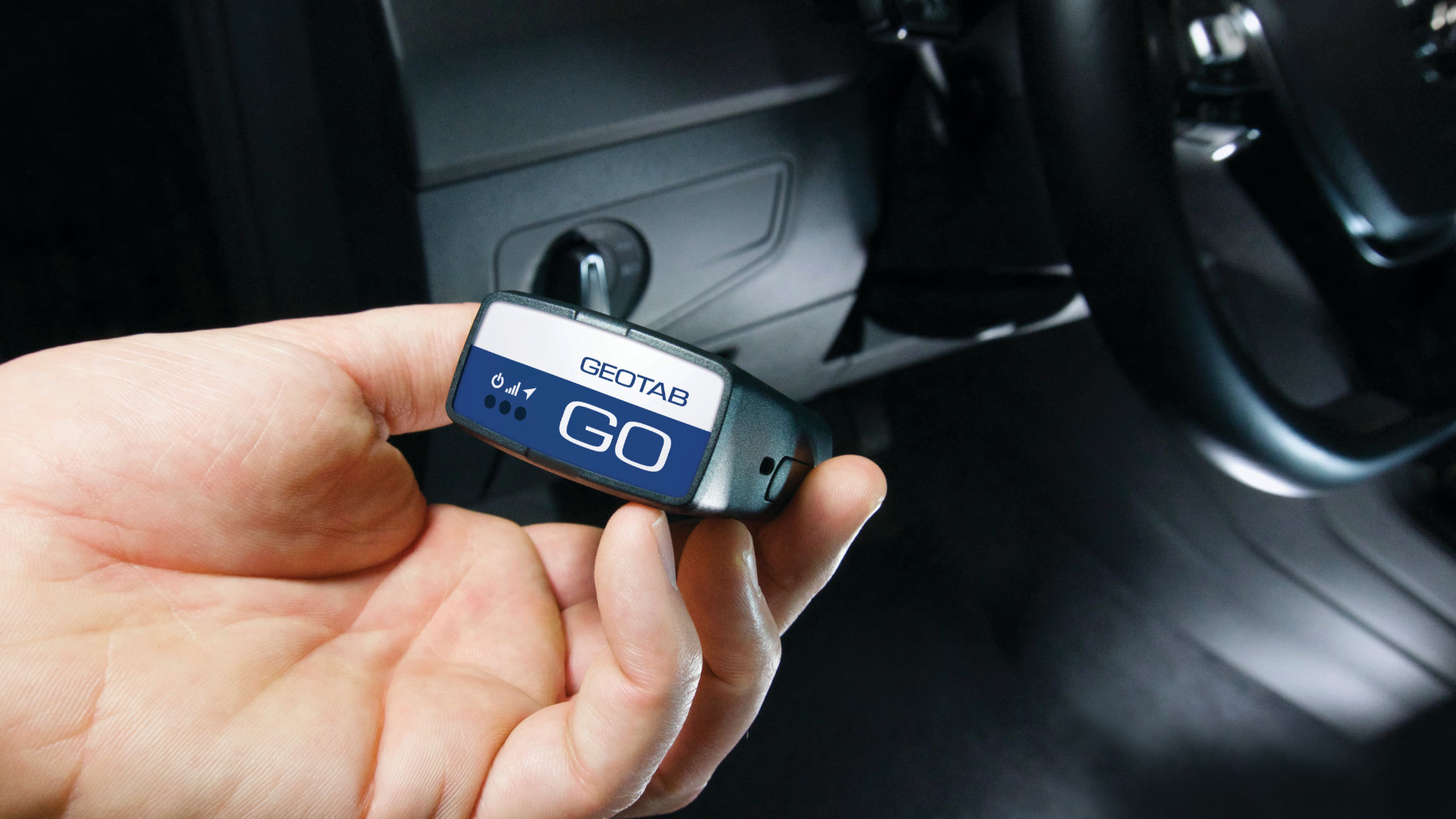
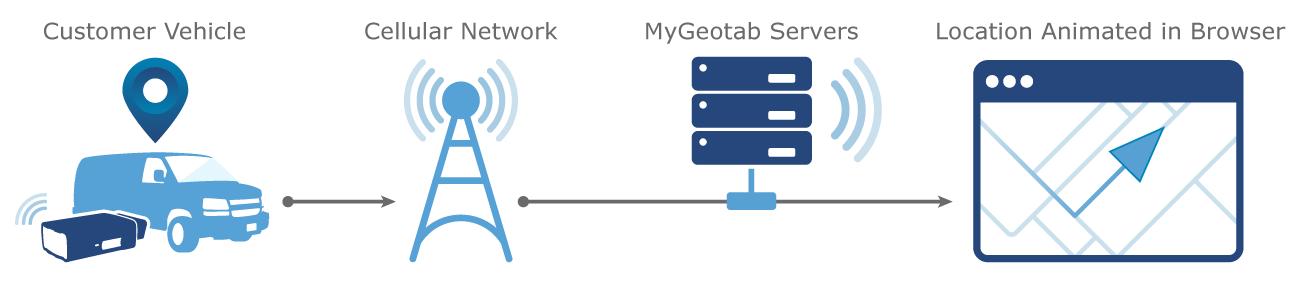
To track vehicles and other assets, GPS data and other information from the asset is collected via a small telematics device, sometimes known as a "black box", that plugs into the OBD II or CAN-BUS port. A SIM card and modem in the device enable it to communicate wirelessly, transmitting encrypted data to a cloud-based fleet management platform.
The fleet management software decodes the collected data for visualisation, reporting and analysis. With telematics software, fleets can gain actionable insights and get notifications and alerts when defined rules are broken.
Advanced data analytics and AI further expand the power of telematics data. For example, fleets can benchmark their safety performance against anonymised data from other fleets with similar duty cycles, or analyse their vehicle health data against millions of other connected vehicles to predict faults weeks before they might arise.
How telematics works
Telematics data is sent from the vehicle to the MyGeotab fleet management software portal.
What is the key data that telematics collects?
A vast amount of data can be processed and analysed with a telematics device and other connected hardware or sensors, such as:
- GPS location
- Vehicle speed
- Trip distance/time
- Idling duration
- Driver performance metrics, including harsh acceleration, braking and cornering
- Seat belt use
- Fuel consumption
- Vehicle faults
- Battery voltage and other engine data
- EV-specific data, including state of charge (SOC) and charge status
Telematics systems are now commonly integrated with dash cameras to create a "video telematics" system that further enhances fleet safety. By integrating the telematics data with video footage, managers gain greater insights into safety events, and with AI-powered cameras, drivers can receive in-cab feedback to correct distracted or dangerous driving behaviour in near-real time.
How is telematics used in fleet management?
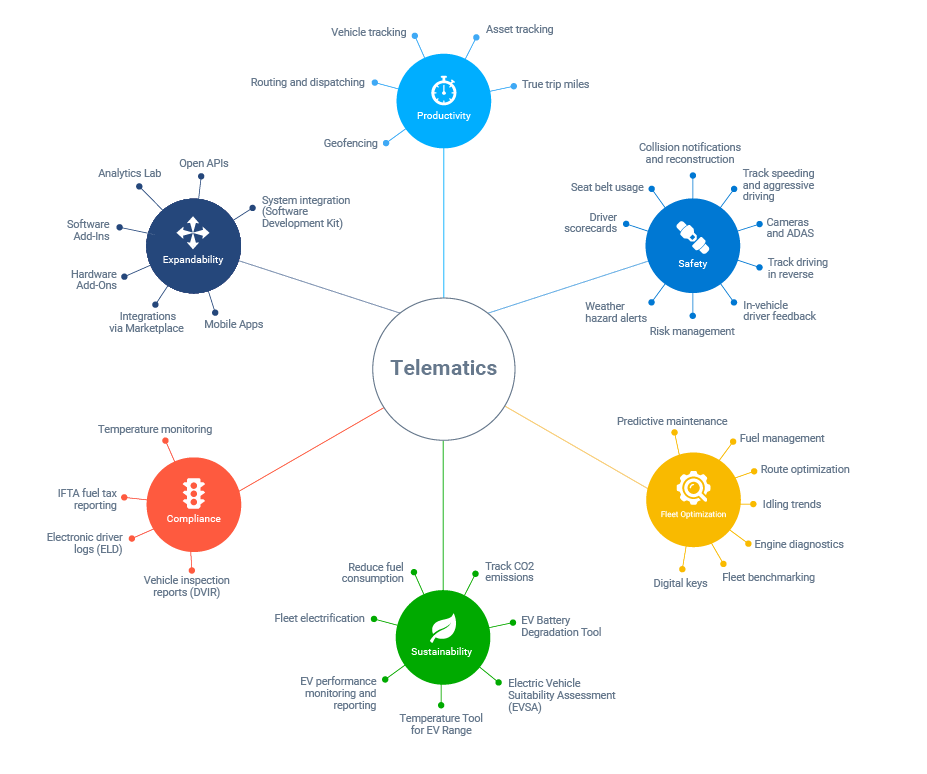
By leveraging telematics insights, businesses can make informed decisions across all aspects of fleet management:
- Productivity: Improving customer service by using real-time GPS tracking, trip reporting, and dispatching and routing tools.
- Driver safety: Increasing safety with in-vehicle driver coaching, risk and driver behaviour reporting, collision notifications and reconstruction, and AI-powered dash cameras.
- Fleet optimisation: Streamlining vehicle maintenance with predictive maintenance abilities and remote diagnostics, and fuel management by tracking idling and other behaviours that impact fuel economy.
- Compliance: Presenting a unified view of compliance data concerning tachographs, duty of care, working hours and vehicle checks.
- Integration: Combining with other software systems, such as dash camera technology, CRM and ERP software.
- Sustainability: Reducing the fleet's fuel consumption and greenhouse gas emissions, and providing the insights to allow fleets to electrify with confidence and then manage their electric vehicles (EVs) effectively.
The different applications of telematics for fleet management
What are the benefits of fleet telematics for large fleets?
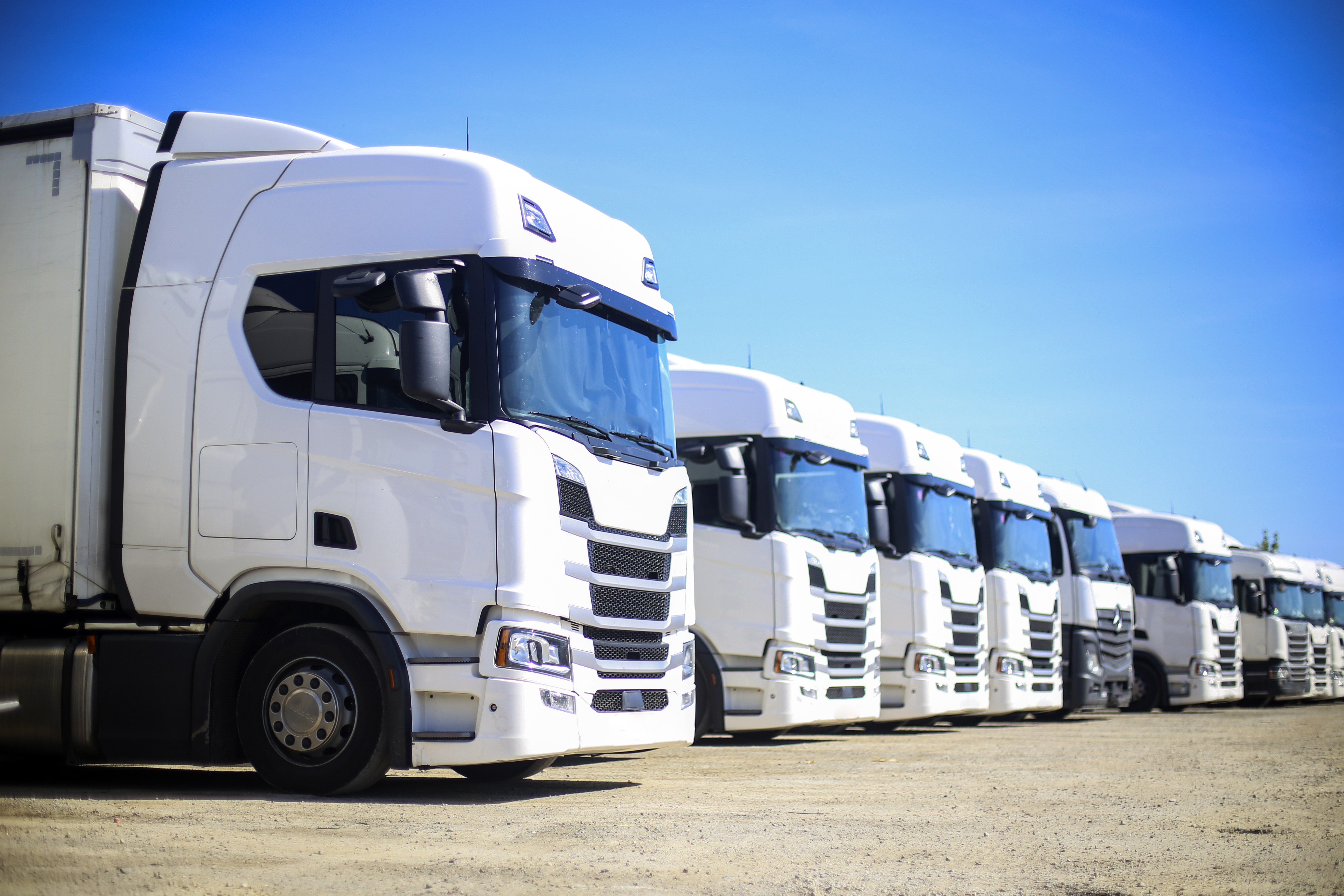
For fleets with over 100 vehicles, the benefits of a telematics system are extrapolated, with dashboards and reports consolidating data from hundreds of vehicles and presenting actionable insights that help fleet managers to make the right decisions when it matters. This delivers a broad number of benefits, including:
- Greater efficiency: Dashboards and reports consolidate data from hundreds of vehicles and present actionable insights that help fleet managers to make the right decisions when it matters, delivering huge time savings.
- Optimised vehicle safety and availability: Telematics solutions improve vehicle condition by allowing the workshop to actively monitor diagnostic trouble codes (DTCs), and alert them with notifications when there are minor issues in need of attention before they escalate into safety risks.
- Cost reductions: Telematics software helps fleet managers to improve their fleet's fuel economy and identify sources of unnecessary fuel wastage, reducing one of the fleet's largest operating costs. The telematics fleet maintenance insights can also enable fleets to improve vehicle uptime and reduce costs associated with vehicles off the road.
- Improved customer service: By improving vehicle uptime and routing efficiency, fleets can improve their responsiveness and efficiency. Real-time GPS tracking helps dispatch teams to keep drivers on time and provide real-time service updates, enhancing customer service with reliable arrivals.
How does telematics support fleet electrification?
Vehicle telematics data is critical for planning the transition to electric vehicles and then ensuring that the new electric vehicles are run optimally. For a successful transition to electric vehicles, telematics data should be interrogated to evaluate:
- Daily distances
- Dwell time and location
- Route consistency
- Vehicle utilisation patterns
This data can be used to create a phased transition roadmap, providing certainty that the new EVs will be able to complete their required shift patterns.
Once the new EVs have been introduced into the fleet, you'll need to ensure they deliver a strong ROI. EVs will require closer data monitoring than for internal combustion engine (ICE) vehicles to extend their range and provide range assurance, and reduce the load on depot charging infrastructure.
Some of the most important EV-specific operational insights include:
- State of Charge (SOC)
- Charging behaviour
- Energy efficiency
- Effect of temperature
- Battery health
How to choose a telematics provider
Choosing a telematics provider comes down to how well the platform supports your fleet's priorities and day-to-day workflows. As you compare providers, these considerations will help determine which solution will deliver the most value for your fleet over time.
Ensure the platform aligns with your operational goals
Start by defining what you want telematics to solve for your fleet. Some platforms excel at safety insights, while others lean more heavily into maintenance, compliance or asset visibility.
Evaluate support, training and implementation strategy
Telematics delivers real value when your team understands the system and uses it consistently. Strong onboarding and support can make the difference between a smooth deployment and a stalled one.
Review return on investment (ROI) and long-term value
Price matters, but the lowest monthly rate doesn't always equal the best investment.
Weigh the costs of a telematics solution against the real-world outcomes the platform helps you achieve. As you compare vendors, consider whether the solution helps your fleet limit risk and optimise asset health, and whether it can expand with your fleet as your needs grow.
Look for flexible integrations and scalability
Your fleet's needs will evolve as you add new vehicles or expand routes. A telematics platform should grow with you rather than limit your options, with the ability to highly customise rules, thresholds and dashboards as operations change.
Systems built on open APIs or marketplaces make it easier to add tools, connect third-party solutions and adjust workflows without disruption.
A flexible, scalable platform helps ensure your telematics investment remains valuable long term, not just for today's challenges.
Why fleet operators choose Geotab for telematics
Geotab, the global leader in fleet telematics, provides a secure and reliable platform that enables fleets to make strategic decisions based on actionable data insights. Using advanced data analytics and AI, your fleet maintenance, safety and sustainability programs are powered up so you can proactively prevent vehicle downtime, improve driver safety, and reduce vehicle emissions. And as fleets prepare for an electric future, Geotab's full data support for EVs enables their performance to be optimised alongside that of your existing vehicles.
Built on an open platform, Geotab integrates with a wide range of fleet technologies and business systems, helping organisations connect information from across their operations and avoid working in silos. AI-powered tools such as Geotab Ace make it easier to access and interpret fleet data, helping teams identify opportunities and make informed operational decisions with confidence.
Subscribe to the Geotab Blog
Frequently Asked Questions
Telematics is the use of GPS technology and on-board diagnostics to monitor vehicle location, performance, and driver behaviour in real time. Data is transmitted wirelessly to a central platform where fleet managers can view it via dashboards and reports.
A telematics device is plugged into the vehicle's OBD II or CAN-BUS port. The device uses a built-in SIM card to transmit encrypted data to a cloud-based platform, where it is decoded and displayed as actionable insights for fleet managers.
The best solution depends on your fleet's specific requirements. Geotab is consistently recognised as a leading telematics provider in the UK, offering a scalable open platform with advanced analytics, strong integration options, and dedicated EV fleet support.
Telematics systems collect a broad range of vehicle and driver data, including GPS location, speed, trip distance, idling duration, harsh braking and acceleration, fuel consumption, seat belt use, vehicle fault codes, and EV-specific metrics such as state of charge.
Telematics identifies unsafe driver behaviours — such as speeding, harsh braking, or distracted driving — and delivers in-cab coaching or alerts in real time. Based on Geotab customer data, a telematics-assisted safety programme can reduce collisions by as much as 70%, and high-risk driver ratios by 90%.
Yes. Anti-idling measures powered by telematics insights can reduce fleet fuel consumption by between 1–5%. Further savings come from optimised routing, driving style monitoring, and fuel waste alerts.
Yes. Telematics solutions can be configured for vehicles of all types and sizes, from light commercial vehicles and passenger cars to HGVs, buses, and specialist vehicles. They are used across sectors including logistics, public transport, construction, utilities, and local government.
The Geotab Team write about company news.
Table of contents
- What is telematics?
- How does telematics work?
- What is the key data that telematics collects?
- How is telematics used in fleet management?
- What are the benefits of fleet telematics for large fleets?
- How does telematics support fleet electrification?
- How to choose a telematics provider
- Why fleet operators choose Geotab for telematics
Subscribe to the Geotab Blog
Related posts
The 5 most common digital tachograph penalties in EMEA (and how SMBs can avoid them)
October 9, 2026
2 minute read

Beyond van tracking: turning fleet data into bottom-line growth
October 9, 2026
3 minute read

Why the OEM versus device-level telematics debate misses the point for mixed-fleet operators
September 25, 2026
2 minute read

How small construction fleets use asset tracking to halt site theft
September 9, 2026
2 minute read

Is fleet telematics worth the money? Calculating your small fleet ROI
September 9, 2026
2 minute read

Why manual spreadsheet fleet tracking fails UK small businesses
September 9, 2026
2 minute read