AOBRD vs. ELD: Key differences and what fleets need to know
AOBRDs provided basic electronic logkeeping, while ELDs are now the federally mandated standard — adding real-time data capture, tamper-resistant logs and verified edits for stronger compliance.

By Geotab Team
Dec 1, 2025

Key Insights
- AOBRDs offered baseline electronic logs, while ELDs are now the FMCSA standard for automated, compliant recordkeeping.
- ELDs log detailed engine, motion and location data to reduce manual entry and improve reliability.
- Real-time ELD insights help fleets enhance safety, speed up inspections and operate more efficiently.
- Geotab’s certified ELD solutions combine compliance, analytics and scalability for growing fleets.
Although the federal AOBRD vs. ELD debate was settled years ago, understanding the difference is still important for fleet operators today. Knowing how each system works helps you stay compliant, train new drivers effectively and get more value from your telematics investment.
An automatic onboard recording device (AOBRD) was the first step toward digital logkeeping, automatically tracking a driver’s hours of service, duty status and engine data.
In 2019, these devices were officially replaced by ELDs (electronic logging devices) under federal mandate. ELDs go beyond basic tracking with precise location reporting, automated recordkeeping and data protection.
As a global leader in fleet compliance and safety, Geotab helps businesses navigate evolving regulations with certified ELD solutions that simplify operations and provide deeper visibility.
AOBRD vs. ELD differences overview
When comparing AOBRD vs. ELD, the key distinctions lie in precision, automation and compliance. Both record driver hours and vehicle activity, but only ELDs meet today’s federal standards.
AOBRDs had the ability to record driver hours, but ELDs expand that capacity with automation and verifiable logs that meet modern compliance requirements.
Following the 2019 regulation change, AOBRD rules were phased out in favor of ELDs that log detailed engine, motion and location data in real time — making records more reliable and helping fleets strengthen both safety and compliance.
| Feature | AOBRD | ELD |
|---|---|---|
| Compliance | Met pre-2019 FMCSA requirements | Fully compliant with current FMCSA ELD mandate |
| Location accuracy | Updated every 60 minutes while driving | Updates every 60 seconds while driving |
| Log editing | Drivers and fleet managers could edit without verification | Edits require driver approval and create a protected audit trail |
| Data captured | Recorded engine use, speed, miles driven and duty status | Captures engine data, motion, location, mileage and vehicle ID automatically |
| Tamper protection | Minimal safeguards against unauthorized edits | Built-in tamper detection and secure data transfer |
| Driver/fleet impact | Reduced paperwork but limited automation | Improves efficiency, accuracy and visibility for drivers and managers |
What is an AOBRD?
An AOBRD device was an early version of an electronic logbook that digitally tracked a driver’s hours of service (HOS). It was created to replace paper logs and simplify recordkeeping for commercial drivers.
These devices collected basic engine data such as engine use, vehicle speed, total miles driven and duty status changes. However, they lacked precision and flexibility. Drivers or fleet managers could edit logs without verification, and the system only updated location data once per hour — leaving room for inconsistencies.
While AOBRDs were a key step toward digital compliance, limited automation and lack of data security led to their replacement by ELDs.
What is an ELD?
An ELD is a federally required system that automatically logs key driving data to ensure reliable, compliant recordkeeping. These devices connect directly to a vehicle’s engine control module (ECM) to deliver real-time, tamper-resistant reporting aligned with FMCSA HOS regulations.
An ELD logs:
- Driving time and engine hours
- Vehicle movement and total miles driven
- Location data, updating every 60 seconds while in motion
Unlike older systems, ELDs improve:
- Accuracy: Automated data collection eliminates manual input errors
- Safety: Alerts and reports identify unsafe driving patterns early
- Accountability: Protected records prevent unauthorized edits and support audits
Together, these features help fleets minimize violations, simplify inspections and improve transparency across every route.
Why the shift from AOBRD to ELD matters
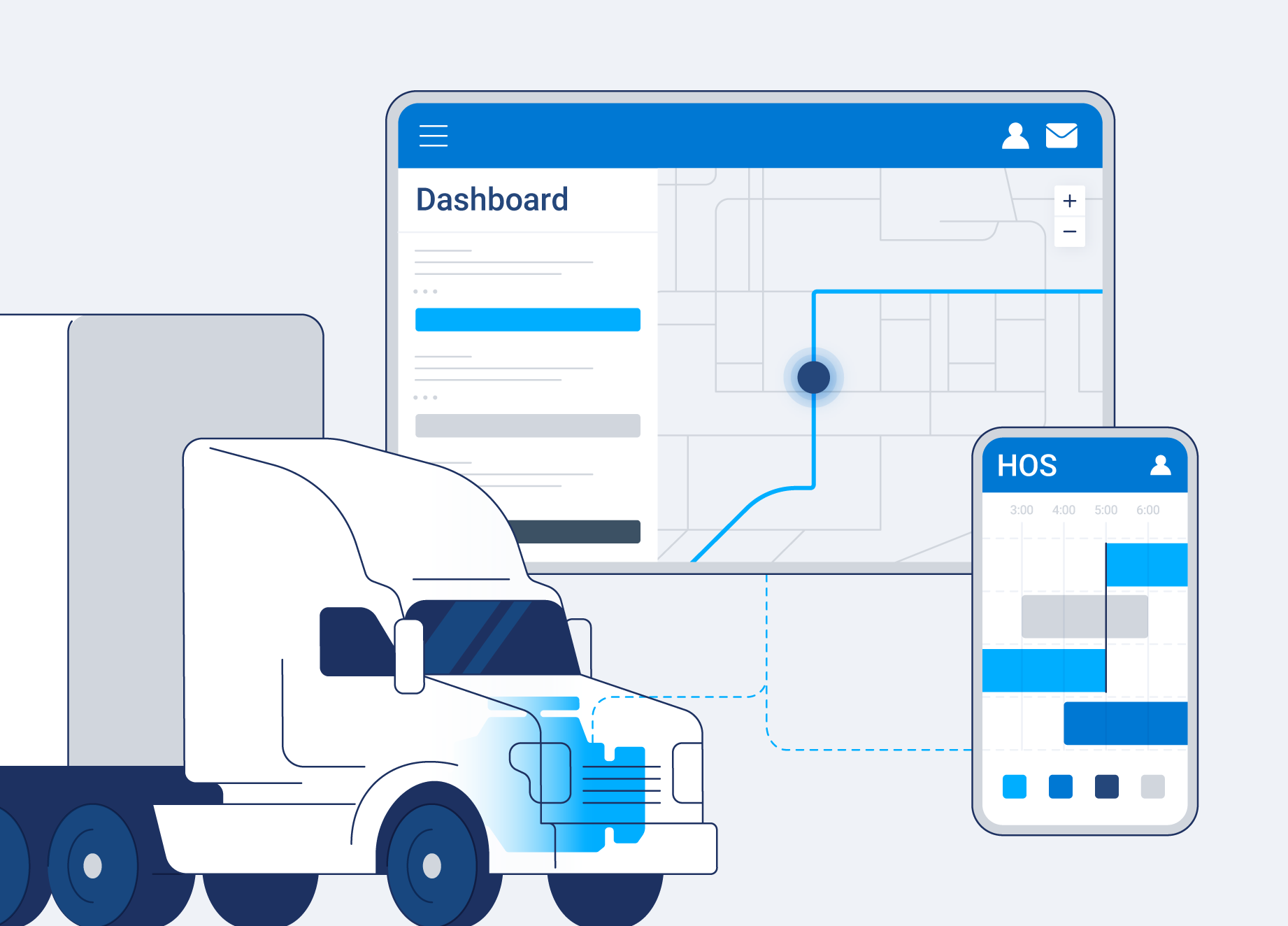
The AOBRD to ELD transition marks a major shift in how fleets manage safety and data integrity. ELDs provide standardized, secure systems that build trust between drivers and fleet managers through verified reporting.
This move replaced manual record-keeping with automation, accountability and real-time insights that enable better operational decisions.
Operational efficiency
ELDs integrate vehicle, driver and route data in one system, helping fleets detect inefficiencies like excessive idling or suboptimal routing.
Using Geotab’s integrated telematics, managers can analyze trends, increase fuel efficiency and lower operating costs through informed decisions.
Increased safety
ELDs play a key role in fleet risk management by monitoring hours, rest breaks and driving time to prevent fatigue.
Modern platforms like Geotab include in-cab coaching and fleet safety insights that help correct risky behaviors before they cause collisions.
Regulatory compliance
With AOBRDs retired, compliance now depends on accurate ELD data. Automated status tracking reduces human error and helps fleets stay inspection-ready.
For example, the Geotab ELD platform supports effortless audits with comprehensive HOS logs and roadside tools. For example, it can automatically record driving hours and rest periods while tracking HOS status with support for more than 100 rulesets and exemptions across the U.S. and Canada.
Transparency
ELDs create clear digital audit trails and require drivers to confirm any edits, ensuring accountability. This transparency builds confidence among drivers, managers and regulators alike.
Future-proof your fleet with Geotab
Geotab goes beyond compliance by combining ELD technology with fleet analytics and safety insights. From optimizing routes to monitoring driver performance, Geotab’s platform transforms fleet data into actionable intelligence that drives long-term savings and productivity.
Ready to upgrade your compliance strategy? Explore Geotab’s ELD solution to future-proof your fleet and improve operational performance.
Subscribe to get industry tips and insights
Frequently Asked Questions
The best ELD provider depends on your fleet size, audit-readiness needs and desired features. Geotab is widely recognized as a leading ELD provider for its reliability and advanced telematics.
Geotab offers FMCSA-certified devices with real-time data, customizable reports and simple integration with fleet management tools.
Most commercial drivers cannot legally drive without an ELD. The FMCSA requires ELDs for vehicles that maintain records of duty status (RODS).
Limited exemptions apply to drivers operating under short-haul rules, vehicles manufactured before the year 2000 or those driving within specific agricultural and emergency conditions.
The FMCSA ELD mandate updated HOS rules to require fleets that previously used AOBRD devices to switch to certified ELDs by December 16, 2019.
The rule ensures automatic recording of engine data, driving time and location, reducing manual errors and improving compliance enforcement.
Unlike an AOBRD device, which only records limited data such as engine use and duty status, an ELD captures detailed metrics like motion, mileage, engine hours, GPS location and vehicle identification.
ELDs also include secure audit trails and driver verification for edits, ensuring greater accuracy, transparency and compliance.
The Geotab Team write about company news.
Table of Contents
Subscribe to get industry tips and insights
Related posts

Best ELD for trucks: Top devices for compliance and safety [2026]
December 18, 2025
6 minute read

Best ELD for owner operators: Top 6 picks and how to choose one
December 1, 2025
6 minute read

Infographic: Upgrading your cold chain solution to minimize waste and maximize profit
September 11, 2025
1 minute read
Enhancing winter road maintenance with postseason materials usage analyses
June 20, 2025
6 minute read