Fleet GPS tracking systems cost: Full price breakdown and ways to boost ROI
Understanding fleet GPS tracking system costs is essential for smart investment decisions. This guide breaks down hardware, subscription fees and hidden expenses so you can budget with confidence.

By Geotab Team
Apr 28, 2026

Key Insights
- Fleet GPS tracking system costs vary depending on your hardware type, service plan, fleet size and level of support.
- Smaller fleets typically invest in entry-level systems with core tracking features, while larger enterprises require advanced analytics, integrations and compliance tools.
- Understanding each cost component helps you budget accurately and avoid hidden expenses.
- The right GPS tracking system can deliver measurable ROI through improved fuel efficiency and better driver performance.
GPS tracking isn’t a luxury anymore. It’s the backbone of modern fleet management. No matter whether you’re running three delivery vans or a 300 semi-truck fleet, real-time visibility into your operations is essential.
But here’s the challenge: fleet GPS tracking system costs vary dramatically depending on who’s sending you a quote and what features you need. One provider could charge $15 per vehicle per month, while another could charge $50. Some include hardware, installation and training; others charge for those separately.
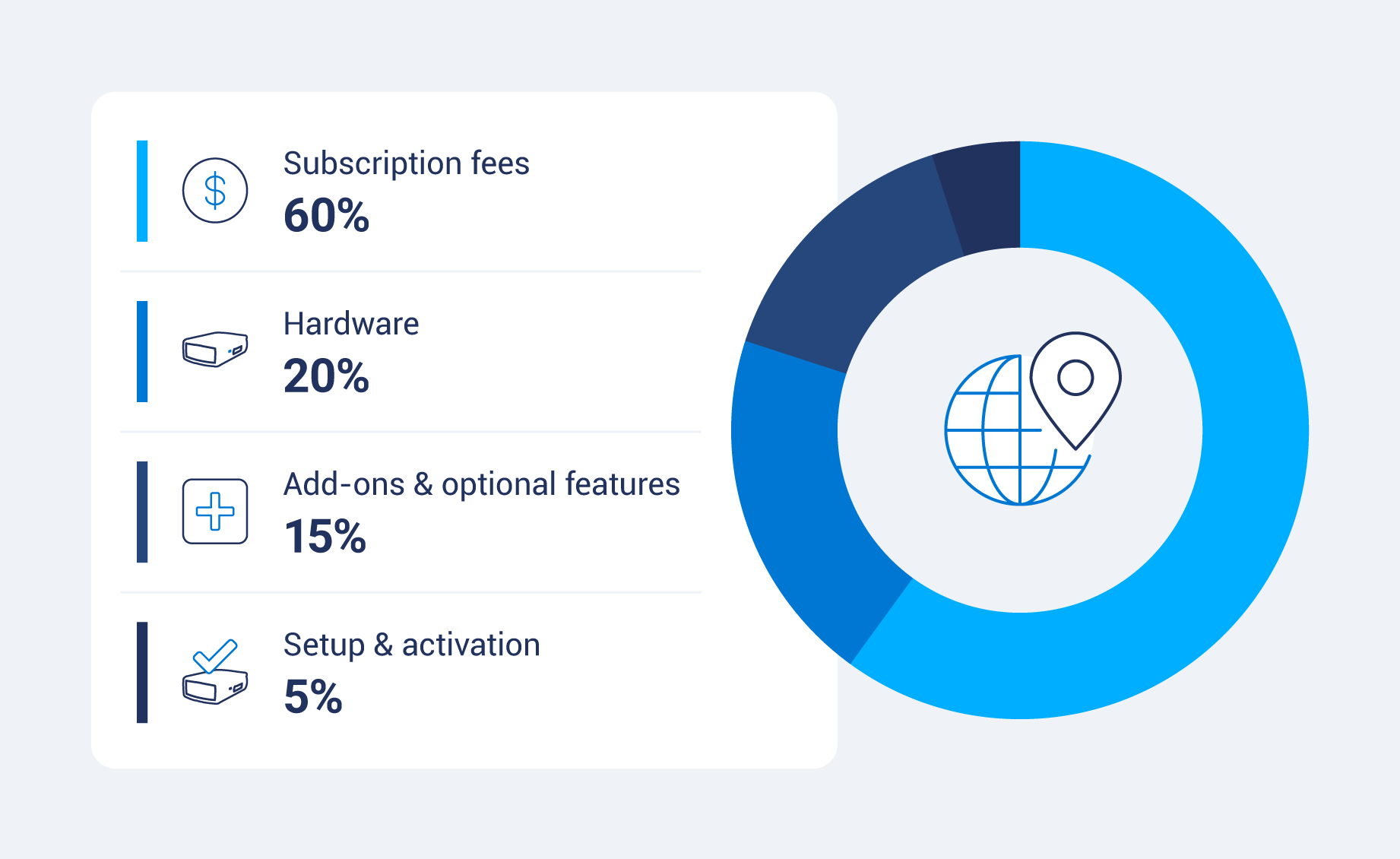
When budgeting for GPS tracking, you’re looking at four main expense categories. Understanding each will help you compare vendors accurately — and avoid any surprise costs for your new commercial truck tracking devices.
Key components of fleet GPS tracking costs
Let’s break down each cost component so you’re prepared for what to expect for your new telematics system.
Hardware costs
Your first expense is a physical tracking device. Prices vary based on the features you need.
- Basic OBD-II devices: Costs are more affordable for this range since devices are typically installed in minutes, and less labor is required. These are best for light-duty vehicles.
- Mid-range telematics devices: Costs for this range will increase based on a wider variety of diagnostic features.
- Rugged hardwired devices: Rugged hardwired devices are ideal for heavy-duty applications and are usually at the highest end of the price range.
Installation adds another layer. DIY installation can save you money but takes time. Professional installation is more costly, but it gets you guaranteed setup and functionality. For larger fleets, vendors often include installation in a bundled package.
Subscription fees
Monthly subscription fees include software platform subscriptions, data transmission and ongoing support. Basic plans usually start at the lowest price, with monthly costs increasing for premium or enterprise options.
Here’s what’s typically included in these subscriptions:
- Standard subscription: Real-time location tracking, historical route playback, basic reporting dashboards, geofencing alerts and driver behavior monitoring.
- Mid-tier subscriptions: Add driver scorecards, detailed reporting and fuel monitoring.
- Premium subscriptions: Add advanced diagnostics, compliance monitoring, predictive maintenance alerts, compliance tools like Hours of Service (HOS) tracking and integrate with your current systems.
See also: Geotab Software Packages
Add-on and optional costs
Common optional costs include dash cams, ELD compliance and training and onboarding packages.
One-time setup or activation fees
Some providers also charge one-time setup or activation fees per fleet tracking device. These fees cover account setup, device configuration and initial plan activation. Sometimes vendors will waive this fee for larger installs or longer contracts.
Watch these costs closely. Some providers offer equipment financing or leasing, spreading hardware costs over months or years. This can reduce your initial investment, but may lead to you paying more over time.
Avoid surprises here by asking about:
- Cancellation fees
- Equipment return policies
- Warranty coverage
- Replacement device costs
How GPS tracking costs scale by fleet size and type
Fleet GPS tracking investments vary based on fleet size, vehicle type and the level of functionality you need. Understanding how costs scale across different fleet categories helps you set realistic expectations and budget effectively without over- or underestimating your needs.
Below are general examples showing how features, installation and service levels evolve as fleets grow.
Small fleets (10 vehicles or fewer)
Smaller fleets often start with simple GPS or truck trackers that provide essential location and vehicle data. These devices are quick to install and ideal for businesses that need basic visibility without heavy setup or maintenance requirements.
Entry-level plans typically include real-time tracking, trip history and basic reporting. Many providers also offer flexible month-to-month contracts, giving small operators room to scale as needs expand.
As your fleet grows, you can upgrade to add features like fuel usage monitoring, maintenance reminders or route optimization — all of which help boost ROI through efficiency and fuel savings.
Mid-sized fleets (11-99 vehicles)
Mid-sized fleets tend to invest in more advanced GPS tracking systems that combine real-time tracking with driver scorecards, maintenance alerts and performance analytics.
These fleets usually balance affordability with functionality by combining professional installation and mid-tier service plans. The result is a system that supports more vehicles, integrates with dispatch workflows and provides deeper visibility into driver performance and operational trends.
At this level, most companies start seeing measurable returns from lower fuel use and improved route efficiency.
Large fleets (100+ vehicles)
Enterprise fleets require advanced capabilities — from video integrations and API connectivity to compliance tools and custom dashboards. These systems are built to handle large data volumes, complex routing and multi-location coordination.
Larger operations also benefit from volume-based pricing and tailored service agreements, which help cut overall fleet costs. Though the total investment is higher, so is the ROI, driven by advanced analytics, proactive safety monitoring, and centralized fleet management
Factors that influence the cost of GPS tracking systems
Not all GPS tracking systems cost the same, even for seemingly identical fleets. Understanding the factors driving vehicle tracking prices will help you better understand which quote will get you the best ROI. These are the features you should look out for:
Fleet size and growth plans
Fleet size and growth plans are some of the biggest tracking system cost-drivers. Larger fleets can get volume discounts, but need more sophisticated management tools. Consider a scalable plan if you’re planning on growing your fleet rapidly.
Hardware choice
The choice of hardware comes second to fleet size and growth in terms of influencing costs. Basic devices get you location, but advanced telematics is the key to get ROI with engine diagnostics, fuel consumption data and predictive maintenance alerts.
Contract length
Contract length can be a cost-saving opportunity. Month-to-month agreements can get you flexibility, but leave you with higher costs.
Support and training
Support and training included in your contract matters more than you think. Basic email support can work until you’re handling a complicated issue. Consider if you’ll be satisfied with simple email and phone support, or if you’ll want account managers and comprehensive training resources.
Integration requirements
Integration requirements with existing fleet software add one-time setup costs and sometimes higher monthly fees for API access. Keep that in mind if you’re already running fuel cards, dispatch software or maintenance management systems.
How GPS tracking systems deliver ROI
So, you’ve got an idea of how GPS fleet tracking pricing works. But knowing the costs won’t help you unless you also understand how to measure return.
The good news? Most fleets recoup their GPS tracking investment in months thanks to efficiency gains like:
Lower fuel and maintenance costs
Real-time vehicle tracking gets you the most immediate return when it comes to fuel and maintenance costs. Tracking eliminates unnecessary idling, reduces unauthorized vehicle use and optimizes mileage. It also makes it easier to maintain preventative maintenance based on actual engine hours.
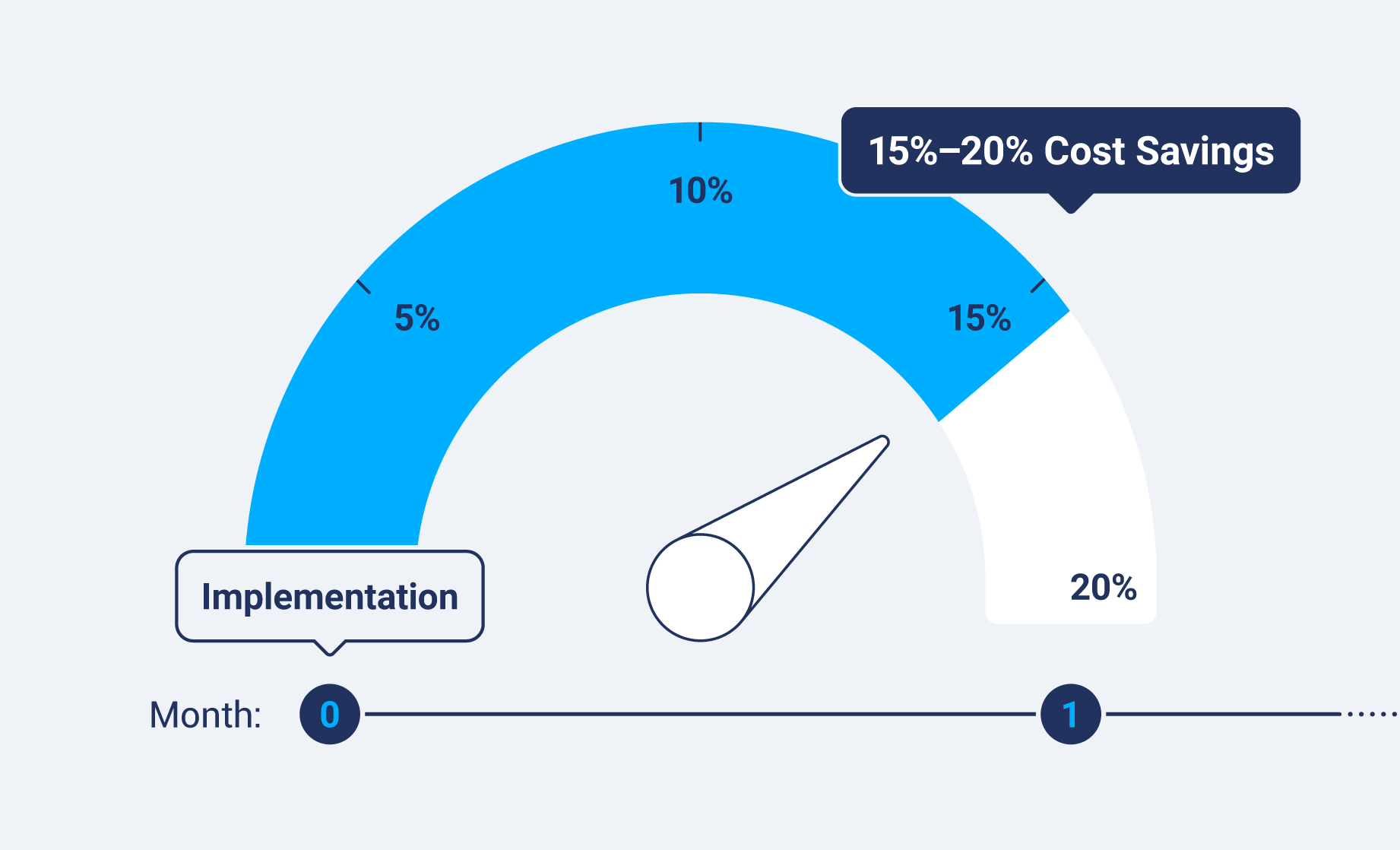
Juan Cardona, Geotab VP of Sales in Latin America, reported on the cost savings of reducing fuel use and improving efficiency in 2021, having found that “... the return on telematics is quite immediate… [and] fleet managers could see 15% to 20% savings on their costs [in about a month].”
Better compliance and safety
This is key to protecting your bottom line and reputation. Automated Hours of Service tracking prevents expensive violations. DVIR digital inspections create audit trails that keep DOT requirements well-satisfied.
Fewer collisions, reduced insurance premiums
Fewer accidents and lower insurance premiums compound over time. Increased driver monitoring means less harsh braking, speeding and aggressive acceleration. Many fleets see safe drivers save 20% a year on car insurance after installation.
Higher productivity and efficiency
This is often the biggest ROI driver. Accurate timecard data eliminates timesheet disputes and reduces payroll padding. Automated reporting means managers get hours back in their week. Even customers are happier, with accurate ETAs reducing angry calls.
Choosing the right fleet GPS
Picking the best fleet GPS tracking systems means carefully balancing cost with capability, reliability and growth potential.
Here’s what you should look for:
- Scalability: Your GPS platform should grow with your fleet without requiring data migrations or system replacement.
- Reliability: This isn’t negotiable. Your tracking system should have consistent uptime, accurate location data and dependable reporting.
- Compliance features: If you’re operating commercial vehicles, you’re going to want this feature. Built-in ELD compliance, IFTA reporting, DVIR digital inspections and HOS tracking mean you don’t need multiple systems to keep everything above bar.
- Support quality: This varies between providers. Consider what level of support you need, response times, whether you get a dedicated account manager and whether training is included.
- Transparent pricing: Prioritize vendors who clearly itemize hardware, subscription, activation and optional feature costs so you can cross-check your budget.
Be wary of vendors who offer too good-to-be-true quotes. And make sure to always ask:
- What’s included in the base subscription versus paid add-ons?
- Are there activation fees, cancellation fees or requirement return charges?
- How often do you raise prices? How much notice do you provide?
What’s your hardware warranty and replacement process? - Do you offer pilot programs or money-back guarantees?
- Can I get references from fleets similar to mine?
Geotab’s vehicle tracking devices offer transparent pricing with scalable solutions for small fleets and enterprise deployment.
Budget smarter with the right fleet GPS tracking system
Smart budgeting for commercial vehicle tracking means looking beyond monthly fees to total cost of ownership. Prioritize features that address your biggest operational pain points, and keep a close pulse point on how IoT fleet management technologies are evolving.
Most important? Don’t forget to calculate the cost of not having GPS tracking. Customer complaints from missed delivery windows, fuel waste, unauthorized vehicle use and compliance violations add up. Quickly.
Get started by contacting vendors who have your must-have features, and calculate potential ROI using a conservative estimate for fuel and time savings and risk reduction. Ready to explore transparent pricing and scalable solutions? Check out Geotab’s vehicle tracking devices.

Subscribe to get industry tips and insights
Frequently Asked Questions
When considering the best truck fleet GPS system, you should prioritize real-time location tracking, route history and driver behavior monitoring as your foundation. Secondary features to keep in mind include compliance support, safety and alert customization.
Larger fleets can get volume discounts on fleet GPS tracking systems. However, fleets of 50+ vehicles also require more expensive hardware, professional installation and premium subscriptions.
Yes. GPS for company vehicles typically delivers ROI within a year through combined savings from fuel, maintenance, insurance and administration time.
The best truck GPS tracking system is one that balances affordability with essential features. Look for straightforward pricing, self-install and month-to-month contracts for OBD-II devices that offer flexibility as you grow. Consider offerings from companies like Geotab designed to meet your fleet where it’s at and scale with you.
The Geotab Team write about company news.
Table of Contents
Subscribe to get industry tips and insights
Related posts

Crafting a fleet incident management plan that helps your municipality get ahead of claims
July 16, 2026
5 minute read
.jpg)
Marketplace Spotlight: Redefining Fleet Security with Matrix iQ
July 15, 2026
2 minute read
AI readiness checklist for field service fleets: Is your data ready for AI?
July 6, 2026
1 minute read



How sanitation fleets can prevent return trips and reduce solid waste collection costs
June 15, 2026
3 minute read