How to stop fuel fraud at the pump
Fuel fraud is hard to spot on monthly bills. Learn how the Geotab Fleet Card uses live vehicle data and spend controls to block fraudulent purchases at the pump.

By Geotab Team
Sep 22, 2026
Key Insights
- Up to 15% of annual fleet fuel spend is lost to fraud, slippage and inefficient fueling.
- Real-time telematics authorization checks vehicle location and fuel tank capacity before a transaction is approved.
- The Geotab Fleet Card combines dynamic authorization, driver unlock, and spend limits to block unauthorized purchases before the transaction clears.
Fuel is one of the greatest variable costs for many commercial fleets, yet it can also be one of the hardest areas of spend to control. Up to 15% of annual fuel spend can be lost to fraud, slippage and inefficient fueling. For fleets relying on legacy fuel cards with no direct connection to the vehicle, suspicious transactions may only become visible after the statement arrives and the money has already gone.
Connecting the payment card to live telematics data lets fleets automatically verify purchases at the point of sale, rather than after the charge posts. This article looks at six recurring types of fuel fraud and how controls that use live vehicle data can strengthen fuel card fraud prevention by stopping unauthorized purchases before they clear.
What are the main types of fleet fuel card fraud?
Fleet managers and finance directors looking at how to stop fuel card fraud should understand the six recurring scenarios that create some of the most common opportunities for misuse and theft.
Card skimming
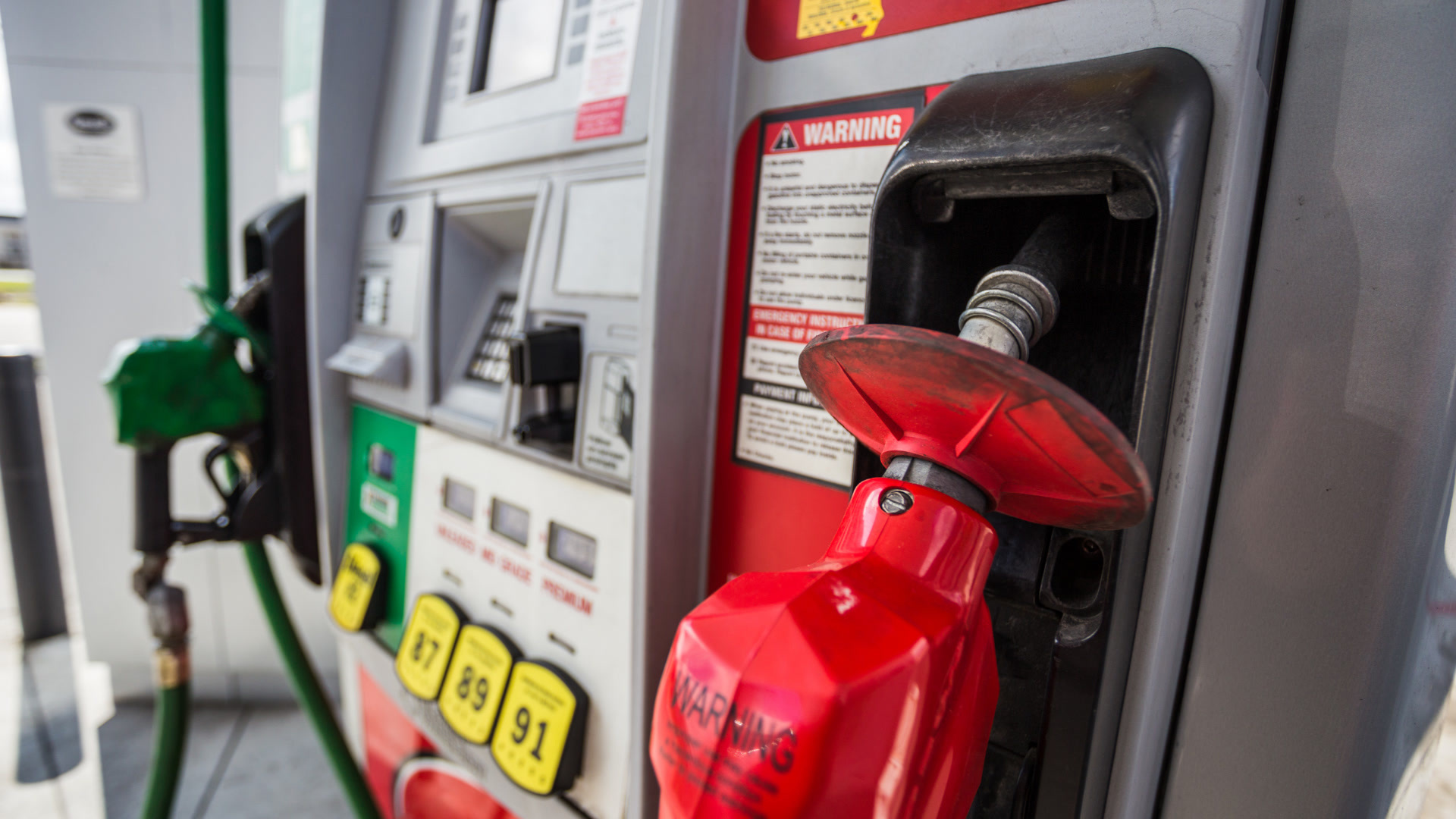
Fraudsters secretly install a card reader, also known as a skimming device, in a pump at a busy truck stop. These devices can be nearly impossible to spot without close inspection. When your driver pays for the diesel with their fuel card, the device silently captures the card data. Weeks later, the stolen card data is used to make one or more fraudulent transactions.
With a legacy fuel card, the company will find out about the fraudulent fuel purchases when their next statement arrives. With Geotab’s telematics-based payment platform, the card is locked by default until it’s manually unlocked in the Geotab Drive app, making skimmed card data useless.
Off-shift fueling
An entire municipal fleet operates from 07:00 to 17:00, Monday to Friday, but a fuel card assigned to one of the trucks is used at 23:00 on a Saturday, when the truck should be locked up at the depot. While some after-hours purchases may be legitimate, off-shift transactions like this are often unauthorized card use for personal vehicles.
With Geotab, administrators can control spend by dollar amount, timeframe, spend category, merchant, or location in MyGeotab, so any transaction outside of the defined hours is automatically declined. Even if an operational hour policy hasn’t been enabled, dynamic authorization controls catch fraudulent off-shift fueling, requiring the driver to unlock the card in the Geotab Drive app that creates a record in the system, and verifying the registered truck’s GPS location against the pump location before any fuel is dispensed.
Buddy fueling
Your driver uses their fuel card to purchase fuel for their company van, and then uses the same fuel card to fill their buddy’s personal pickup truck. Since both tanks are often paid for in the same fuel card transaction, this makes it harder for finance teams to detect the fraudulent fill-up without telematics.
Geotab Fleet Card’s tank level verification will only allow the appropriate amount of fuel to be dispensed at the pump based on the available capacity of the associated vehicle’s tank. If the finance team has any remaining concerns about suspected fraud when they receive the statement, any transactions that exceed the registered fuel tank capacity can be reviewed together in MyGeotab.
Non-fleet vehicle fill-ups
A company fuel card is used to fuel a personal vehicle or other unauthorized vehicle instead of the assigned fleet vehicle. This may happen when an employee stops on the way home and uses their company fuel card to fill up their personal SUV, or when a lost or stolen card is used fraudulently.
With Geotab Fleet Card, two controls stop this fraudulent behavior at the point of sale. The driver must unlock the card in the Geotab Drive app, with the assigned vehicle present, and the vehicle’s GPS location is checked against the merchant’s coordinates. If the two locations don’t match, then the transaction can’t go through.
Stolen or lost cards
A company fuel card is lost or stolen on a Friday night, and the thief uses it across multiple stations over a weekend, potentially running up hundreds of dollars in charges before the driver reports it missing on the Monday morning. Without telematics integration, legacy fuel cards can be used freely until they’re reported missing and blocked.
A stolen Geotab Fleet Card is effectively useless. Transactions can’t be authorized unless a driver unlocks the card in the Geotab Drive app, and the assigned vehicle’s GPS location matches that of the pump. Fuel cards can also be immediately deactivated by fleet managers in MyGeotab. Finally, Geotab Fleet cards are protected by a $250K fraud protection guarantee for eligible accounts.*
Non-fuel purchases
Your driver uses their company fuel card to buy some food at a fast food joint that accepts fuel cards. The finance team doesn’t realise the company has paid for the transaction until the next fuel card statement arrives.
With spend controls by merchant category, the Geotab Fuel Card declines the transaction as your employee attempts to pay, because a fast food joint isn’t an approved category.
Fuel card fraud prevention with the Geotab Fleet Card
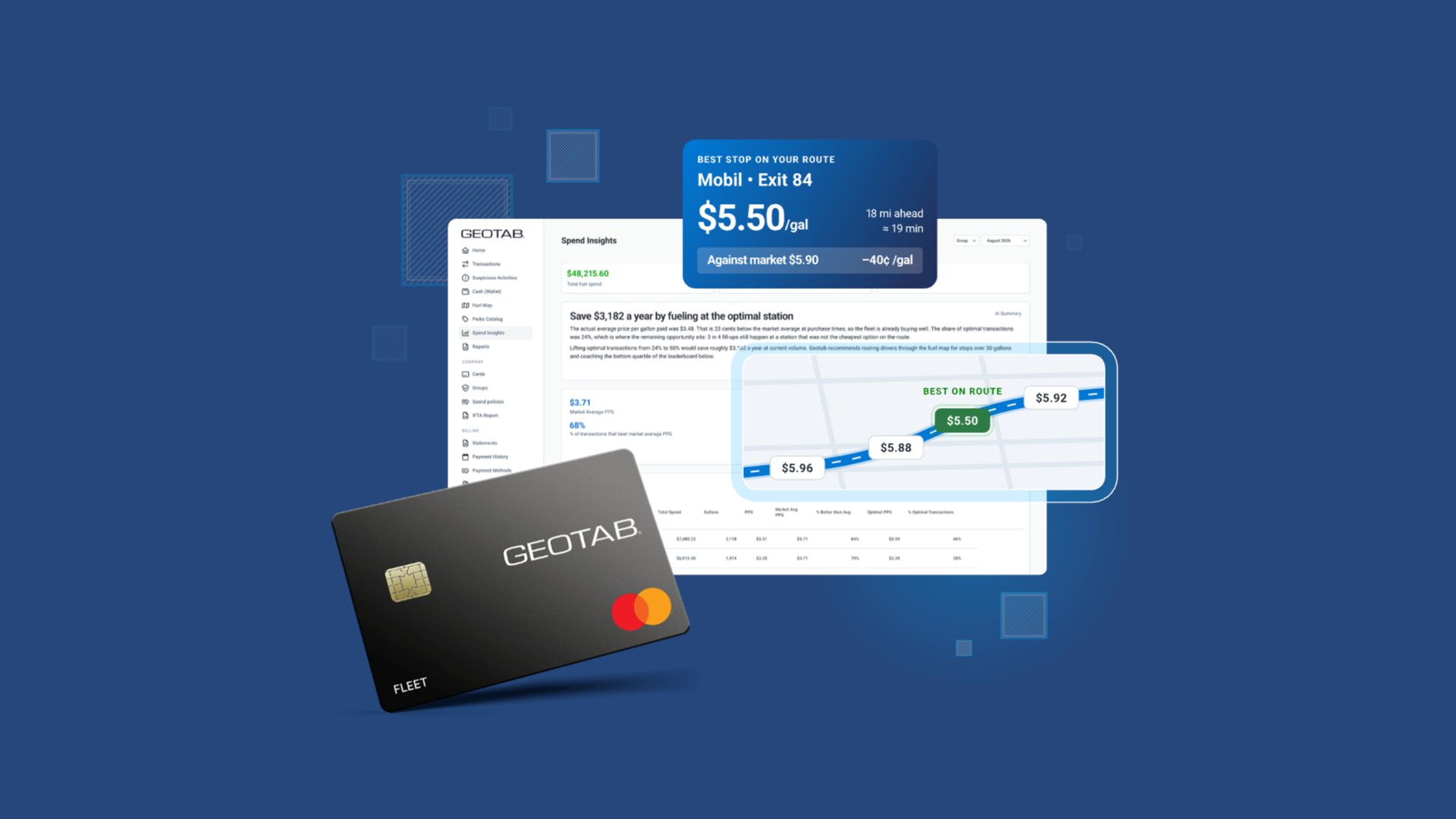
The Geotab Fleet Card is a telematics-based payment platform inside MyGeotab that uses dynamic controls to block fraud before checkout, lowering fuel costs and reducing the administrative burden of reconciling fuel card statements. Fleet managers and finance teams can get real-time visibility into every dollar spent in MyGeotab, so they can uncover hidden cost savings and fueling trends.
Unlike legacy fuel cards that can only surface fraud after it happens, the Geotab Fleet Card uses real-time vehicle data, including location and tank level, together with a Driver Unlock feature, to block these six recurring fraudulent transactions before they are pre-authorized. The card is backed by an up to $250k fraud guarantee for eligible accounts,* and charges $0 card fees.
Learn more about the Geotab Fleet Card.
*The Fraud Guarantee is available to AtoB Premium customers with either (i) a credit account, or (ii) a qualifying prepaid account with established usage history (the account has been open and actively used for at least 60 days (regular monthly activity beyond monthly fees) and has at least $5,000 in annual account usage). For a transaction to be covered by the Fraud Guarantee, the card used in a transaction must have all of the following in place: (a) Card Unlock Security enabled; (b) Block Transactions with Telematics enabled; and (c) assignment to a vehicle equipped with telematics. The account must also be in good standing (no failed payments in the last 8 weeks) and in full compliance with the AtoB Platform Agreement.
Subscribe to get industry tips and insights
Frequently Asked Questions
Fuel card fraud prevention is most effective when controls are applied before a transaction is approved. Fuel cards that use live vehicle data can verify vehicle location, fuel tank capacity and driver activity in real time, while spend policies restrict where, when and how the card can be used. This helps fleets block suspicious purchases at the point of sale rather than relying solely on statement reviews after the money has already been spent.
Common fleet fuel card fraud types include card skimming, off-shift fueling, buddy fueling, filling personal or non-fleet vehicles, using lost or stolen cards, and making unauthorized non-fuel purchases.
Different controls address different risks. Vehicle location and tank-level verification can block suspicious fuel purchases, Driver Unlock can protect lost, skimmed, or stolen cards, while merchant category and spend controls can prevent unauthorized non-fuel purchases.
A strong fuel card fraud prevention solution should combine transaction controls with real-time vehicle data. Useful capabilities include location verification, tank-level checks, driver authentication, configurable limits by time, merchant or spend category, and real-time visibility into approved and declined transactions.
Fleets should also consider the wider financial impact. Integrated reporting can reduce reconciliation work, while fuel-price visibility and discount networks can help lower the total cost of fueling alongside fraud prevention.
The Geotab Team write about company news.
Table of Contents
Subscribe to get industry tips and insights
Related posts
Top seven best fleet fuel cards: How to choose the right one for your business?
October 1, 2026
7 minute read
Four ways to transform garbage fleet efficiency with data and video tools
September 28, 2026
4 minute read

Why the OEM versus device-level telematics debate misses the point for mixed-fleet operators
September 25, 2026
2 minute read

6 benefits of an open, AI-powered fleet data platform
September 17, 2026
8 minute read