Connecting Fleets Without Slowing Them Down
Minds Behind the Miles: Melissa Hoffman Is Making OEM Fleet Connectivity Feel Effortless

Oct 29, 2026

A fleet manager has enough to think about.
There are vehicles to keep moving, drivers to support, deliveries to complete and customers to serve. The last thing a fleet manager should have to worry about is where to ship thousands of telematics devices or how to take every vehicle off the road to have telematics hardware installed.
For Melissa Hoffman, the question is : How can fleets get the data they need without adding another layer of work to their day?
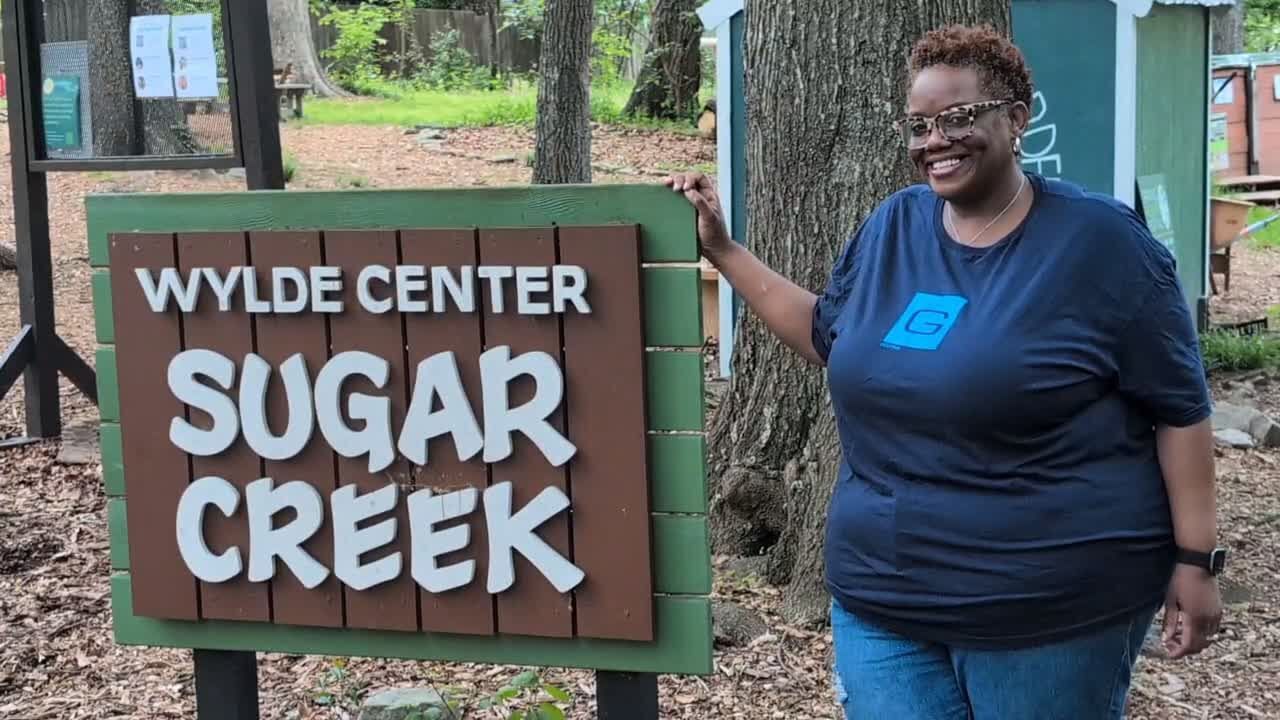
Melissa is AVP, Connected Car Partners at Geotab. She has worked in telematics since 2009, with much of her career focused on the vehicle original equipment manufacturer (OEM) space. Today, she works closely with automotive partners to help fleets access data through technology already built into their vehicles. Her goal is to give customers more choice while making the process of getting connected easier. “Customers are not looking to install more hardware when the vehicles already come robust with technology built into them,” Melissa says.
The Cost of Waiting
In the past, connecting a vehicle to a telematics platform often meant installing an aftermarket device. That process involved more than the installation itself. Devices had to be shipped to the right locations. Vehicles had to be found and scheduled. Technicians needed access to them. Drivers might have to take time away from their routes, and vehicles could be unavailable while the work was completed.
For a small fleet, that process may be manageable. For a large fleet operating across multiple locations, the points of friction multiply quickly. Newer vehicles increasingly come equipped with embedded connectivity. Instead of waiting for hardware to arrive and be installed, eligible vehicles can be activated over the air. The problem was not simply how to connect a vehicle. It was how to connect an entire operation without disrupting the work that keeps it moving.
Recently, one customer activated 7,000 vehicles within a few days. There was no need to ship thousands of devices across North America or coordinate thousands of installations. The complexity moved from the fleet manager’s day to the work happening behind the scenes.
And that is exactly where Melissa believes it belongs.
The Question Behind the Data
When Geotab first began working with OEMs, the team largely worked with the data each manufacturer provided. The Geotab team quickly discovered a challenge: every OEM had different data sets, frequencies and capabilities. Geotab’s platform had also been built with the GO device in mind.
The data might exist, but that did not necessarily mean it could deliver the insights a fleet manager expected. That changed the team’s approach. Instead of asking only, “What data can the vehicle provide?” Melissa and her team began asking a more important question: What does the customer need that data to do?
Answering that question required close collaboration between OEM partners as well as Geotab’s product and development teams. The goal was to help manufacturers understand what fleet customers actually require and improve the data so it could support those insights more consistently.
“Our customers require more robust data,” Melissa says. “We work with OEMs to help them understand the data that really drives Geotab customers.”
The challenge becomes even greater for mixed fleets. Many customers operate vehicles from multiple manufacturers, each producing data differently. Without standardization, the fleet manager inherits that complexity. Geotab works to normalize those different data streams so customers can see what they need in one place, without having to think about where the information came from.
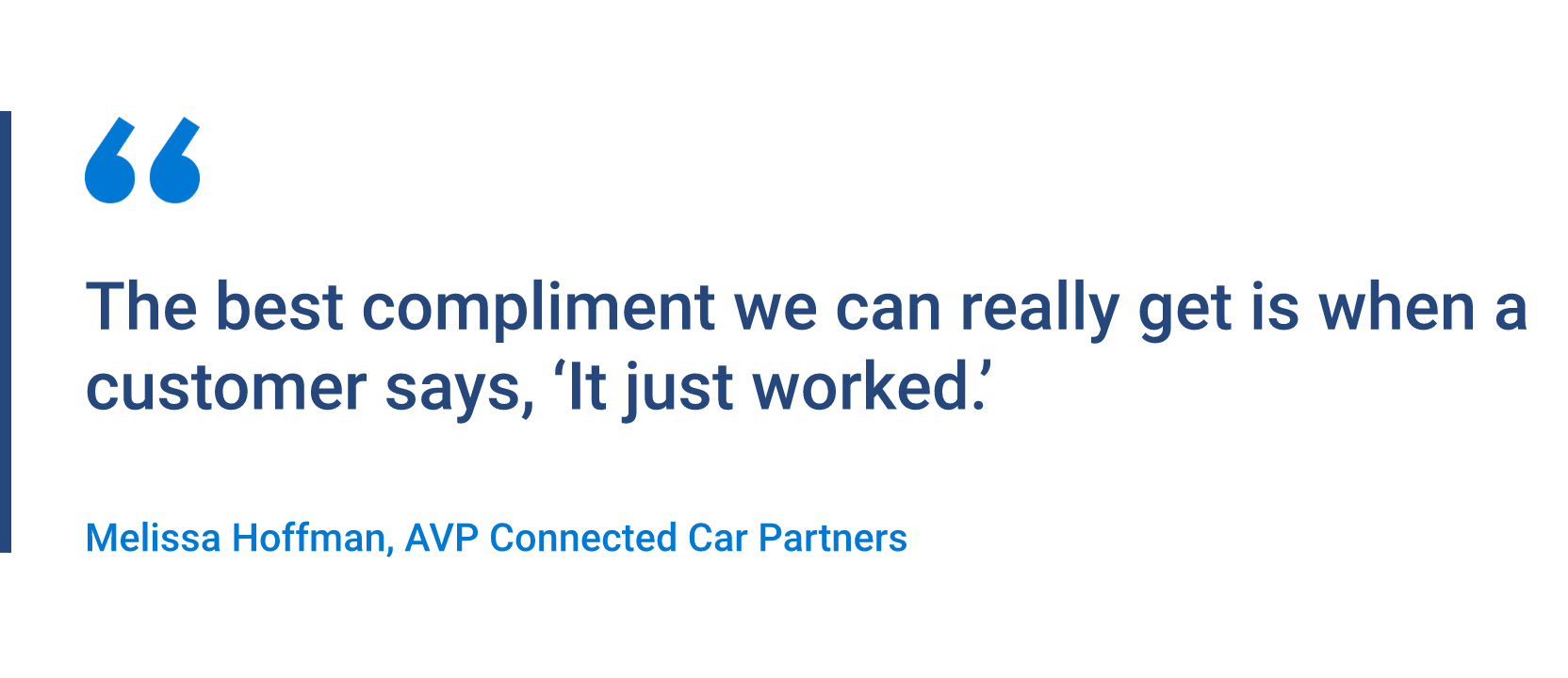
The partnerships are complex. The integrations are technical. The conversations behind them can be extensive. But the experience for the customer should be simple. “When a fleet manager activates their vehicles and their data just shows up, that’s the goal,” Melissa says. For her, that seamless experience is the ultimate measure of whether the work is doing what it should.
The best outcome is not that customers understand the complexity behind the system. It is that they do not have to.
From 10 Vehicles to Half a Million
Geotab launched its first OEM integration in 2019. In the early days, adoption was gradual and required significant education for both partners and customers. Melissa remembers watching the internal OEM dashboard closely. At first, every increase felt meaningful. “I would get so excited when I would see 15 more vehicles, 10 more vehicles,” she says.
Those small increases represented more than a growing number on a dashboard. They showed that fleets and partners were beginning to understand the value of embedded connectivity. Today, Geotab is approaching half a million OEM-connected vehicles. Approximately one in three new vehicles connected to Geotab this year is connected through OEM technology.
The growth reflects a broader shift in how fleets think about telematics. OEM connectivity is not about replacing the GO device. It gives customers another option, allowing them to choose the approach that best fits their fleet and operational needs. “What drives me is providing customers with choice,” Melissa says. “They can choose OEM connectivity if it meets their requirements, or they may have some needs that require a GO device.”
The Road Ahead
“The future of fleet management is connected,” Melissa says. “Ultimately, this means simpler activation, richer data and faster insights for our customers.”
Modern vehicles and trucks are increasingly computers on wheels, generating valuable information through embedded systems. As OEM partnerships expand and the available data becomes richer, fleets could gain access to more advanced predictive maintenance, safety insights and sustainability reporting without adding hardware complexity.
That future matters because connectivity is only valuable when it helps people make better decisions. Faster access to vehicle data can help fleet managers respond sooner, identify issues earlier and spend less time managing the infrastructure behind their systems.
Melissa and the teams working alongside her are helping make that future more practical. They are building the partnerships, standards and integrations that allow complexity to stay behind the scenes.
The work is about more than connecting vehicles. It is about making connectivity feel effortless for the people who depend on every mile.
Subscribe to get industry tips and insights
The Strategic Communications Team write about updates for Geotab.