What Happens When You Build for the Driver?
Minds Behind the Miles: Radu Creosteanu on building technology for the person behind the wheel.

Oct 1, 2026
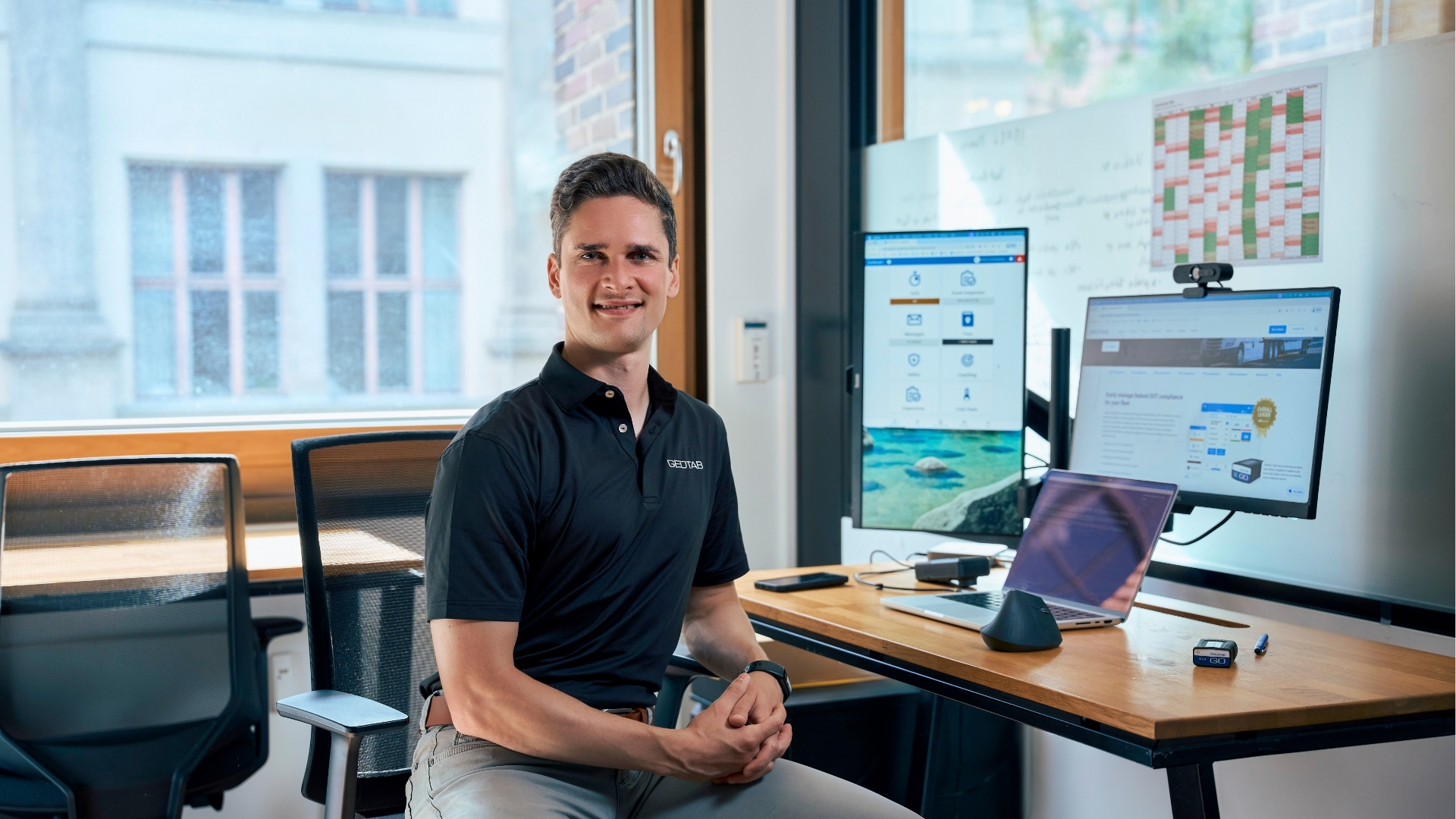
“It's about making the Drive app lovable. It's about making the Drive app an experience or an application that drivers genuinely want to use.”
Before the sun comes up, a driver unlocks their phone and opens the Geotab Drive app. Within moments, they're logging in, selecting a vehicle, completing a pre-trip inspection and preparing for the day ahead. It's a routine that plays out more than one million times every month across Geotab's network.
Most drivers probably don't think twice about those first few minutes. Radu Creosteanu does.
As Geotab's Head of Driver Platform, Radu spends his time thinking about the moments that shape a driver's experience, especially the small ones that can determine whether technology feels helpful or frustrating.
Based in Germany, he has spent over 13 years in fleet software and telematics. At Geotab, he leads the team responsible for bringing every part of the Drive experience together into one seamless whole and he is constantly thinking: what does it actually feel like to be the person behind the wheel?
Not the fleet manager monitoring from a dashboard. Not the compliance officer reviewing the logs.
The driver, the one who opens the app before coffee, and relies on it for every stop, every mile that follows.
The system knows the truck. What about the driver?
For decades, telematics has been remarkably good at understanding the vehicle. Where is the truck? How is it being driven? Is it moving safely? Is the driver meeting compliance requirements? What happened on the road? But Radu believes the next question is just as important: what is the driver actually experiencing?
What does the first 30 seconds, or the first five minutes, of a shift feel like for a driver? And what happens when something goes wrong at 2 a.m. on a Tuesday? A login that won't load. A screen that freezes mid-shift. How do we ensure the driver has not already lost time, patience, and trust before the issue surfaces?
“If a driver has a bad day, it's mine regardless of which team was responsible for building the screen,” Radu says. So he and his team are looking beyond compliance, inspections, and regulations to understand what drivers actually experience throughout their day. To do that, Radu has product designers visiting customer sites regularly, and he intends to send developers on those visits too, so that the people building the product are regularly in front of the people using it. It's one way the platform begins to understand the driver, not just the vehicle. The goal isn't simply to gather feedback. It's to build empathy, to keep building with the driver in mind.
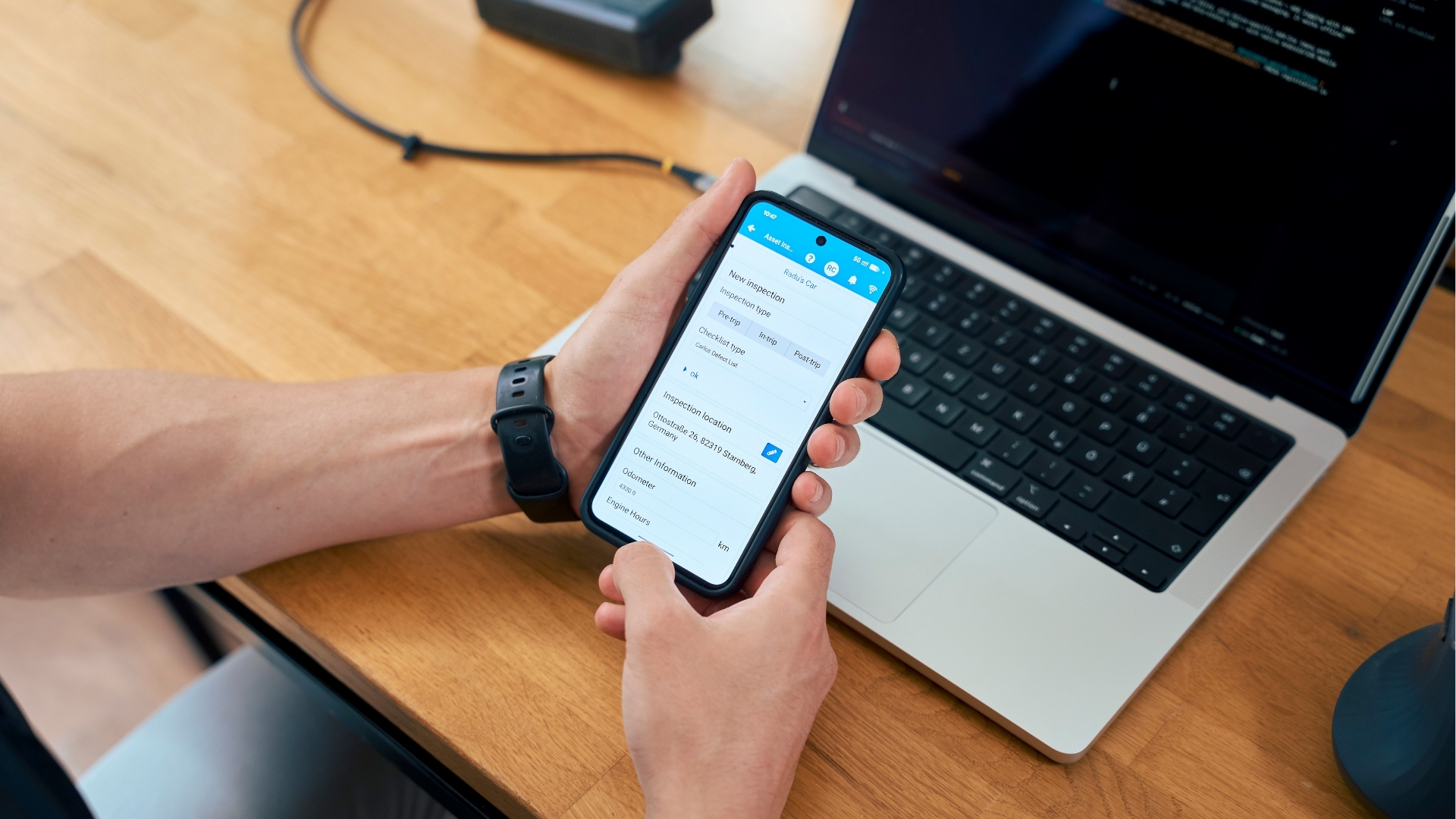
Radu reviewing an in-progress inspection flow in the Drive app.
The smallest moments often matter most
Late last year, customer feedback surfaced a problem with the Drive app's lock screen. In certain situations, it was flickering, not for every driver, not every time, but enough to affect real people on real shifts. It was easy to overlook. Radu didn't. Significant improvements happened in the first half of this year, however, Radu is not done. "I still have the feeling there's more we can do, to make it snappier, more reliable. I still have an active work stream towards that effort."
Through developers testing the app and feedback from customers, another issue came into focus: the login was slower than they would like. Years of product growth had added weight, and that first moment of opening the app had started to drag. "We decided the first five minutes of a driver's day should be frictionless," Radu says. The team traced the problem piece by piece and streamlined the experience back to where it needed to be.
These are not features anyone announces. Drivers will not see that work. But they will feel it.
Listen. Build. Repeat
Releasing a feature is not the end of product development. It is the beginning of the next conversation.
Today, driver experiences surface across multiple channels: support tickets, in-app feedback, and app store reviews. The team is working to create clearer, more direct pathways for drivers to surface issues and get help faster, so that what drivers say directly shapes what the team builds next. "We build, we release, and we listen," he says. "Then that feeds back into the development lifecycle."
Over the next year or two, Radu wants to build out an even more diverse set of capabilities: tools that help drivers track potential tax savings, access safety performance ratings they can actually act on, and benefit from rewards programs like Geotab Vitality. Features that give drivers something back, not only something to comply with. "I don't want compliance to be the only defining trait of the app," he says. "I want it to be more."
Making Every Minute Count
The Drive app is used by nearly one million drivers every month. Radu is building on that reach, with a vision for the app to eventually serve every driver in the Geotab ecosystem.
Before joining Geotab, Radu wanted the next chapter of his career to be one where he could have an impact on the lives of many people. "I don't need to do something extraordinary like change the world," he says. "All I want to do is, in some small fashion, improve the lives of many people."
Today, that ambition has a very practical expression: making a driver's day a little easier, one interaction at a time. It might mean getting through the start of a shift without friction. It might mean a problem gets heard and fixed.
For Radu, that is impact.
Subscribe to get industry tips and insights
The Strategic Communications Team write about updates for Geotab.
Table of Contents
Subscribe to get industry tips and insights
Related posts
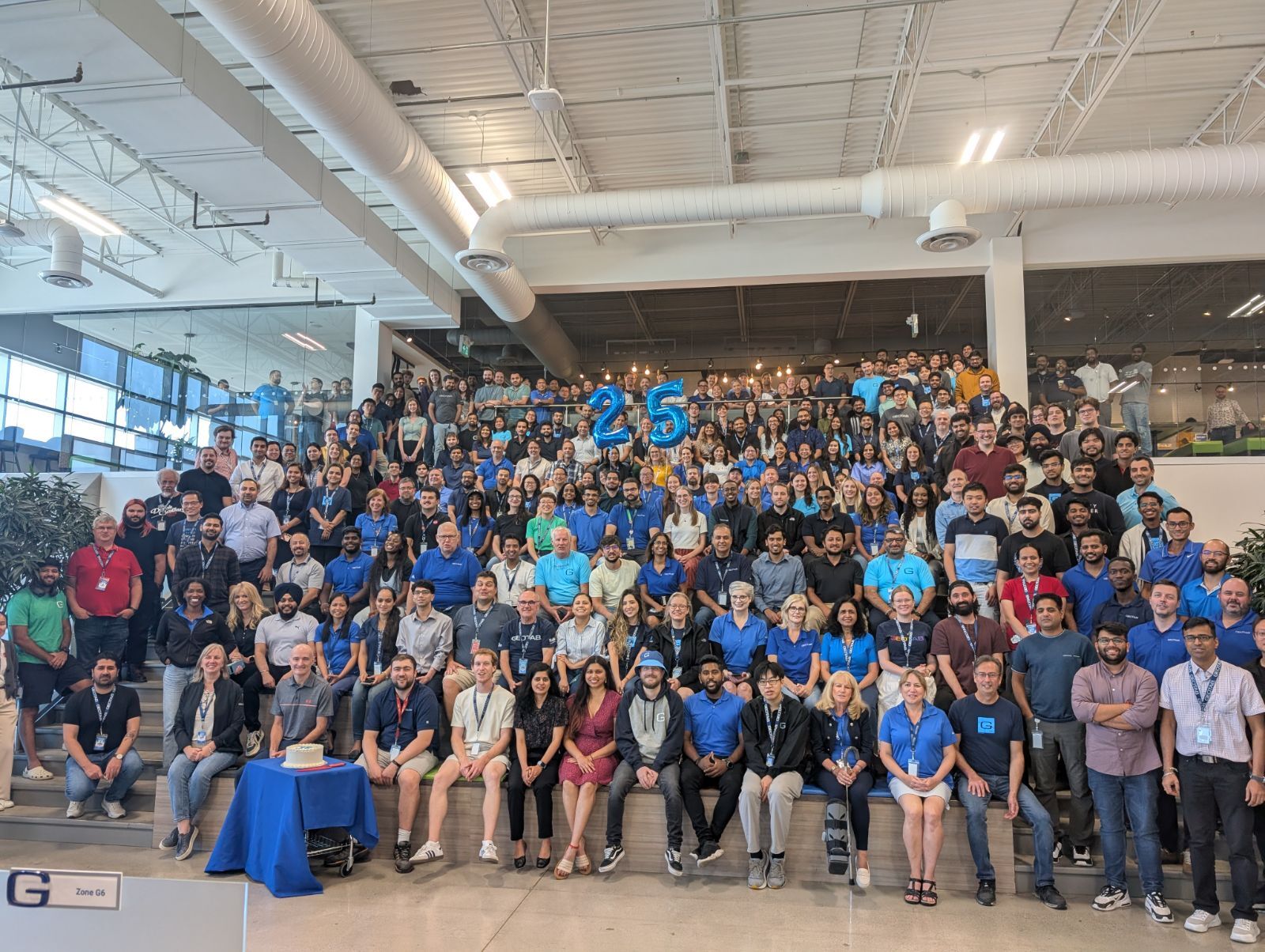
Minds Behind the Miles: The People Powering Geotab’s Innovation
September 23, 2026
1 minute read


.png)
.jpg)
From the Flight Line to the Bottom Line: How James brings military precision to Geotab
November 27, 2025
1 minute read