The 'ghost fleet' crisis: Why idle rental cars are your biggest liability
Learn how to tackle the ghost fleet crisis and boost profitability in car rental operations using real-time data and telematics solutions.

Apr 27, 2026

Key Insights
- Industry shortages are turning idle vehicles into a structural revenue liability.
- The repositioning problem stems from a lack of data visibility: operators can't manage what they can't see.
- Real-time fleet data provides operators with the insights needed to move vehicles based on demand.
Parked vehicles cost you money. In 2024, the average rental vehicle generated about $1,387 per month in revenue, so every month a car sits idle represents roughly $1,400 in lost revenue on average — before you even account for depreciation, insurance, and maintenance.
The United States auto industry currently needs almost 76,000 new technicians to close the gap between demand and supply of available qualified workers, according to the National Automobile Dealers Association (NADA.) For car rental operators, this massive labor gap is not simply an administrative headache. It represents a severe threat to your bottom line and operational efficiency.
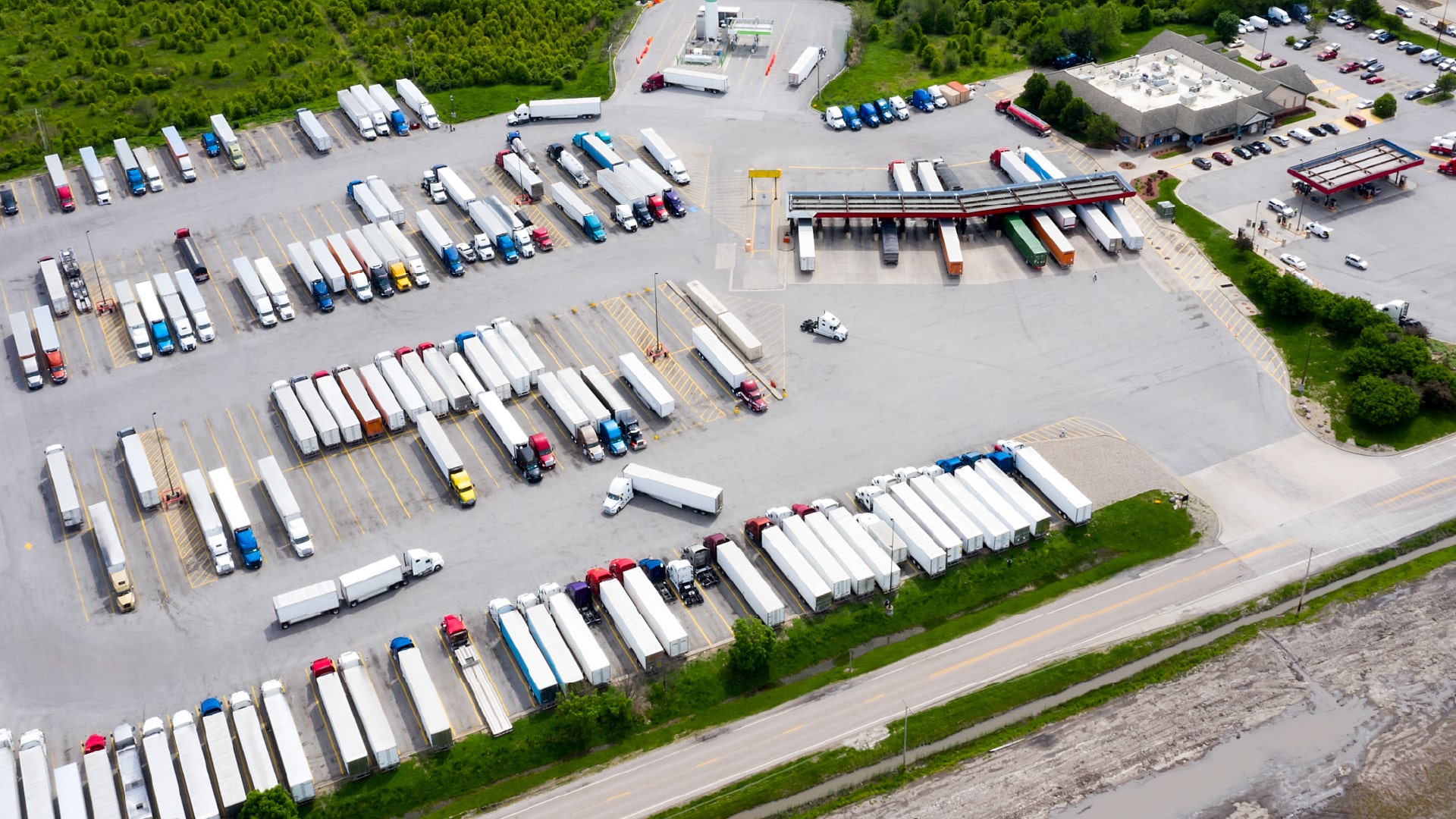
Welcome to the era of the "ghost fleet" — vehicles that sit idle in holding lots, waiting for routine maintenance, a quick wash or a driver to move them across town.
In a market where margins are constantly under pressure, you can't afford to let your most expensive assets sit idle.
The higher cost of cars
Purchasing vehicles now requires significantly more capital than just a few years ago, with fleet acquisition and leasing costs rising by double digits. Industry sources estimate that each unused vehicle can forgo about $1,400 in monthly revenue, while carrying costs range from $8,000 to $15,000 annually. As a result, 71% of fleets now rank cost-cutting as their top priority.
Moreover, vehicles depreciate over time, losing value daily whether they are driven or parked. The bottom line is that a depreciating asset that is expensive to acquire, insure and maintain must consistently generate revenue to justify the costs.
The labor shortage bottleneck
The shortage in auto technicians is only one part of the 75,000-person labor shortage. Rental operators also struggle to find reliable car washers, detailers and transport drivers. These labor gaps create a compounding series of delays.
A car might be mechanically sound but sitting in a lot because you lack the cleaning staff to prep it. Another car might be clean and ready but waiting three days for a driver to move it from a suburban lot to an airport terminal. These seemingly small delays add up, turning perfectly good assets into unprofitable ghost fleet vehicles.
The repositioning blind spot
Even during periods of high demand for rental cars, vehicles often end up in the wrong locations. Factors like one-way rentals, seasonal travel surges and weekend getaways can shift inventory away from your most profitable hubs.
Without real-time fleet visibility, repositioning becomes a reactive and inefficient process with fleet managers relying on outdated methods, such as having staff walk through sprawling parking areas with clipboards to count available cars. This approach is not only time-consuming but also prone to human error and a poor use of resources.
Operating without clear fleet insights leads to costly repositioning mistakes. For instance, you might pay to move a vehicle to an airport, only to discover later that a ready-to-go car was just two miles away. These blind spots in inventory management leave revenue on the table and hinder operational efficiency.
Three ways to use data to get more from a smaller team
Reactive management can be costly: wasting time, money and your customer’s good will. The damage is done the moment a car isn’t available to a customer, potentially stranding them. To stay ahead, you need the ability to anticipate demand and reposition your assets before shortages occur.
Anticipating demand, however, depends on having accurate, real-time data. Without knowing exactly where your vehicles are right now, it’s impossible to plan effectively for where they need to be tomorrow.
While you can’t solve the national labor shortage overnight, you can transform how you manage your existing staff and fleet. When labor is limited, better data empowers you to make smarter, more efficient decisions with fewer resources. Here are three actionable solutions you can implement today.
1. Unlock real-time location and utilization data
Real-time location and utilization data can eliminate the inefficiencies of a ghost fleet. With telematics, your operational awareness is completely transformed. No more relying on clipboards or manual audits; instead, you gain instant visibility into the exact status and location of every vehicle, all from a single, intuitive dashboard.
This level of telematics-driven visibility provides a significant operational edge. You can immediately distinguish between a vehicle that’s simply off-rent and one that’s fully prepped and ready to go. For example, you’ll know that a clean, serviced SUV is sitting just 10 miles away from a branch experiencing an unexpected surge in demand.
2. Reposition your vehicles based on demand
Asset utilization reports give you instant visibility into idle vehicles, showing exactly which cars have been sitting the longest. With this data, you can prioritize repositioning efforts based on facts, not guesswork.
By directing your limited transport drivers to move the vehicles that promise the highest immediate return, you eliminate wasted labor and inefficiencies. No more moving the wrong cars to the wrong locations. Instead, every action your team takes is precise, efficient and designed to maximize profitability.
3. Keep vehicles road-ready with predictive maintenance
Telematics data helps tackle the mechanic shortage indirectly through predictive maintenance. By monitoring engine health and diagnostic trouble codes in real time, you receive instant alerts about minor issues before they escalate into costly breakdowns.
Catching problems early, like a failing battery or a minor engine misfire, means repairs are often quick and straightforward. You can even schedule maintenance during slower periods, minimizing disruptions. This proactive approach keeps your vehicles road-ready for longer periods, reducing downtime and reliance on highly-paid mechanics for major fixes.
Take control of your fleet operations
The ghost fleet crisis won’t resolve itself. To thrive in today’s car rental industry, you must adapt your management strategies to meet this new reality.
Operators who integrate data visibility into their workflows will gain a significant structural advantage. They’ll achieve more with their existing fleet, stop waiting for staffing levels to normalize and start maximizing revenue immediately.
Your fleet represents a major investment; don’t let those valuable assets sit idle in a parking lot. Equip your team with the tools they need to track, manage, and deploy every vehicle with precision.
Want to see Geotab’s solutions in action? Check out our clients Swift Ride, who eliminated fleet theft entirely and saved over $400K annually with Geotab.
Subscribe to get industry tips and insights
Christine is the Content Manager for the Commercial sector
Table of Contents
Subscribe to get industry tips and insights
Related posts


Top seven best fleet fuel cards: How to choose the right one for your business?
October 1, 2026
7 minute read

Fleet maintenance software for small business: 8 top tools and guide
September 29, 2026
7 minute read