How telematics in construction improves fleet efficiency
Learn how telematics in construction provides real-time data that helps fleets optimize equipment use, reduce fuel waste and improve jobsite safety.

By Geotab Team
May 12, 2026
Key Insights
- Equipment downtime and fuel waste are two of the highest controllable costs in construction fleet operations — telematics gives fleet managers the data to address both.
- Construction telematics uses GPS tracking, engine diagnostics and real-time reporting to give full visibility into off-road assets and on-road trucks.
- The right telematics platform leverages predictive maintenance and operator coaching to help protect your fleet investment and improve jobsite performance.
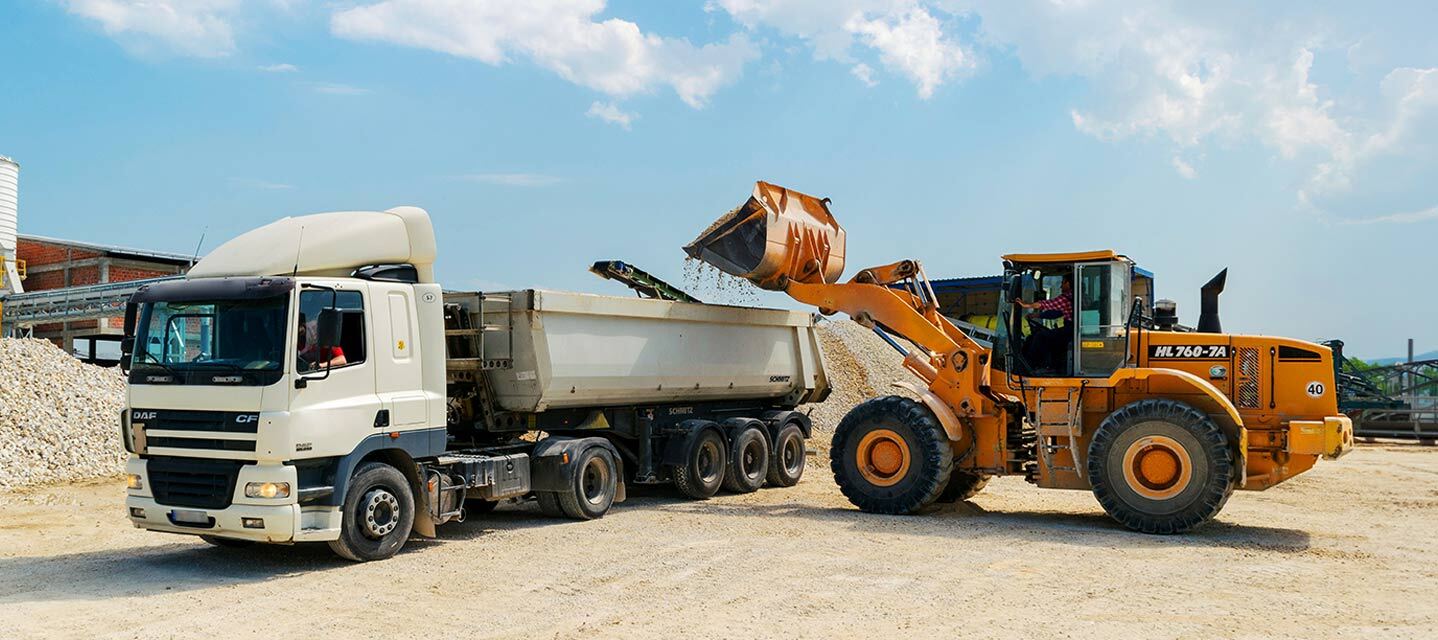
Before a machine ever breaks down, construction fleets have already lost 30-40% of their equipment’s productive time to idling - and the cost goes up when you account for fuel waste or the ripple event of project delays. Telematics in construction is changing how fleet managers respond to these challenges.
By combining GPS tracking with engine diagnostics and cloud-based software, construction telematics provides operations teams with real-time visibility to make faster, data-driven decisions. This article covers how telematics in construction improves fleet efficiency through fuel management, heavy equipment tracking and predictive maintenance.
What is construction telematics?
Construction telematics is the integration of GPS tracking, engine diagnostics and CAN profiles into the data sent by off-highway equipment. It uses a hardware device like a Geotab GO device that connects directly to a machine's CAN bus. That connection means the device can read everything flowing off the machine including faults, live engine data and location info.
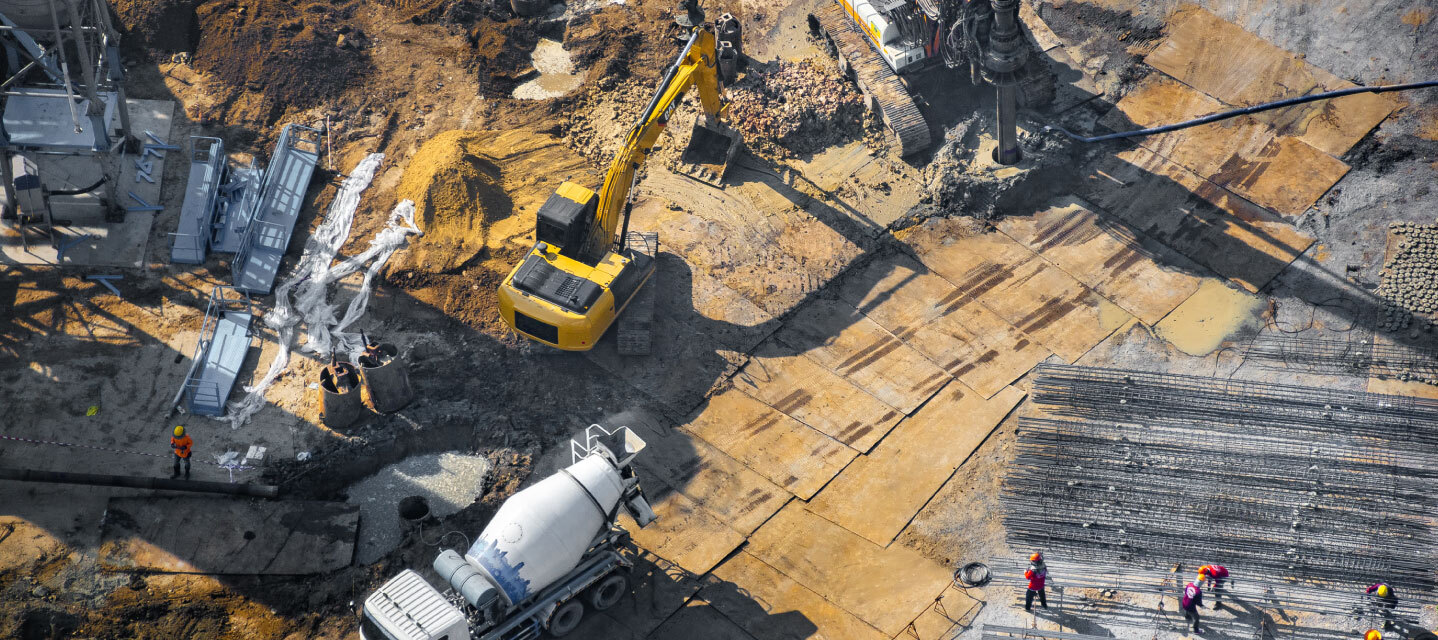
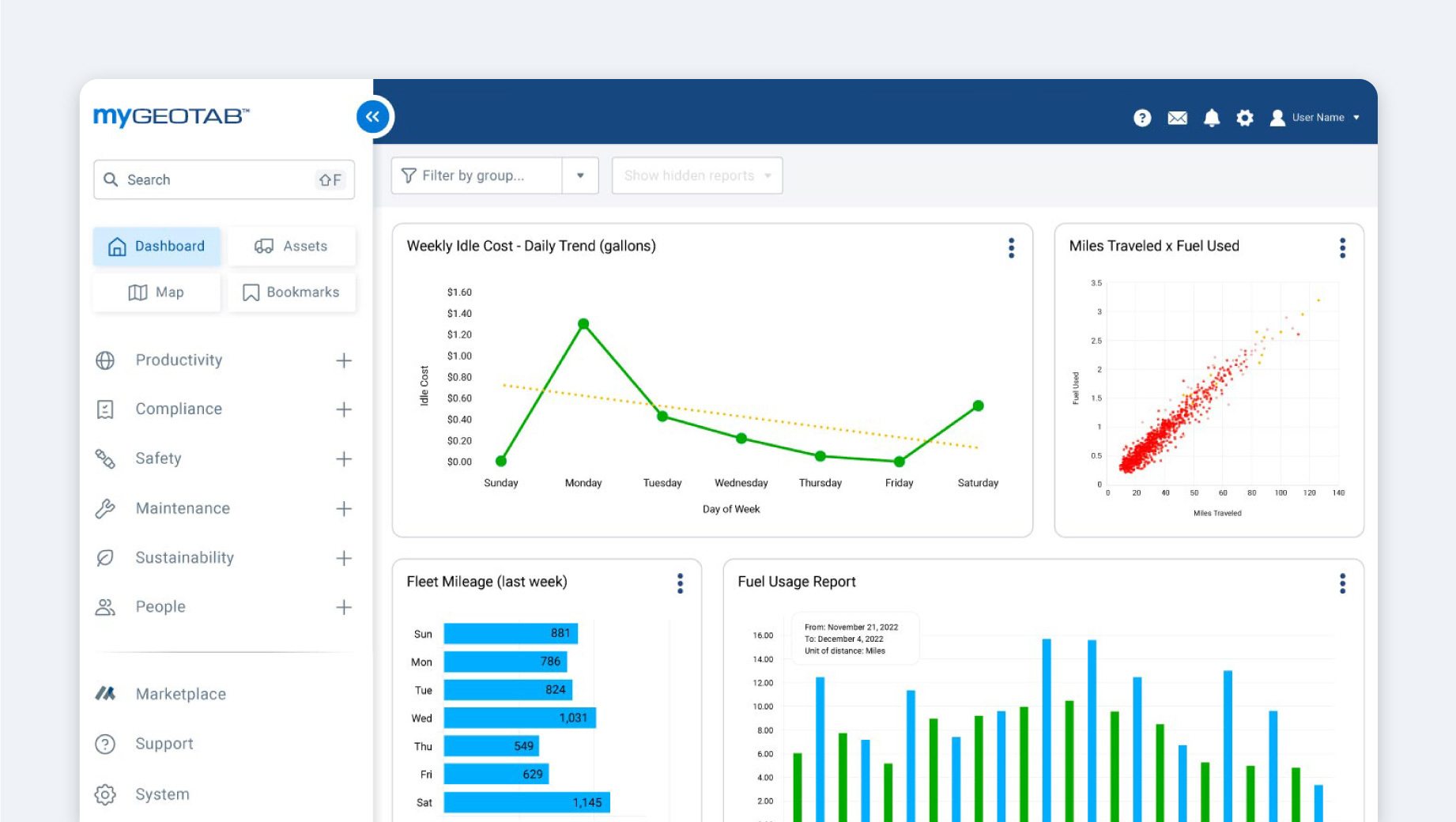
Once collected, that data is transmitted over cellular networks to a cloud-based fleet management platform like MyGeotab. Managers can then view, analyze and act on faults, fuel levels and consumption rates, GPS location and more in real time. Telematics applies to both on-road trucks and off-road yellow iron, such as telehandlers.
Benefits of telematics in construction
Telematics in construction delivers measurable value across fleet operations, from reducing fuel costs to providing stronger job construction site equipment utilization reports. It combines GPS tracking, engine diagnostics and real-time data to give managers clear visibility into how equipment is used and maintained.
Below are the four most impactful benefits.
1. Reducing operational costs through fuel management
Fuel is one of the highest variable costs for any construction fleet — and idle time is usually the biggest waste driver. Telematics enables managers to identify which operators or machines are running idle, for how long and at which jobsites. Fleet managers can then set idle time thresholds and receive automated alerts when equipment exceeds them.
Telematics also helps identify fuel theft. GPS-correlated fuel level monitoring flags irregularities, allowing managers to investigate. By identifying inefficient routing and reducing excessive idling in construction equipment, GPS for heavy machinery and assets also supports efforts to reduce the carbon footprint. Industry data suggests telematics can reduce fuel costs by up to 25%.
2. Shifting from reactive to predictive maintenance
Waiting for equipment to break down and taking action only then is one of the most expensive habits in fleet management. Real-time engine diagnostics enable managers to catch small issues, such as rising coolant temperatures or abnormal fault codes, before they lead to catastrophic failures.
With telematics, maintenance alerts can be triggered by engine hours instead of calendar dates, making predictive maintenance far more accurate.
3. Maximizing equipment utilization across jobsites
Ghost assets, or equipment sitting unused on a site or forgotten at a previous job, are a widespread construction problem. Location data from construction fleet maintenance software enables identification of these machines, allowing them to be reallocated to active projects and avoiding unnecessary rental costs.
True utilization metrics provided by Geotab Build also improves the quality of project bids by giving you a clear picture of actual equipment usage - not just engine hours. When you know exactly what the total cost of deploying an asset to a comparable project, you can estimate the operating costs with far greater precision, reducing the risk of underbidding.
The Geotab Marketplace offers specialized tools for tracking non-powered assets to improve visibility.
4. Improving jobsite safety and operator behavior
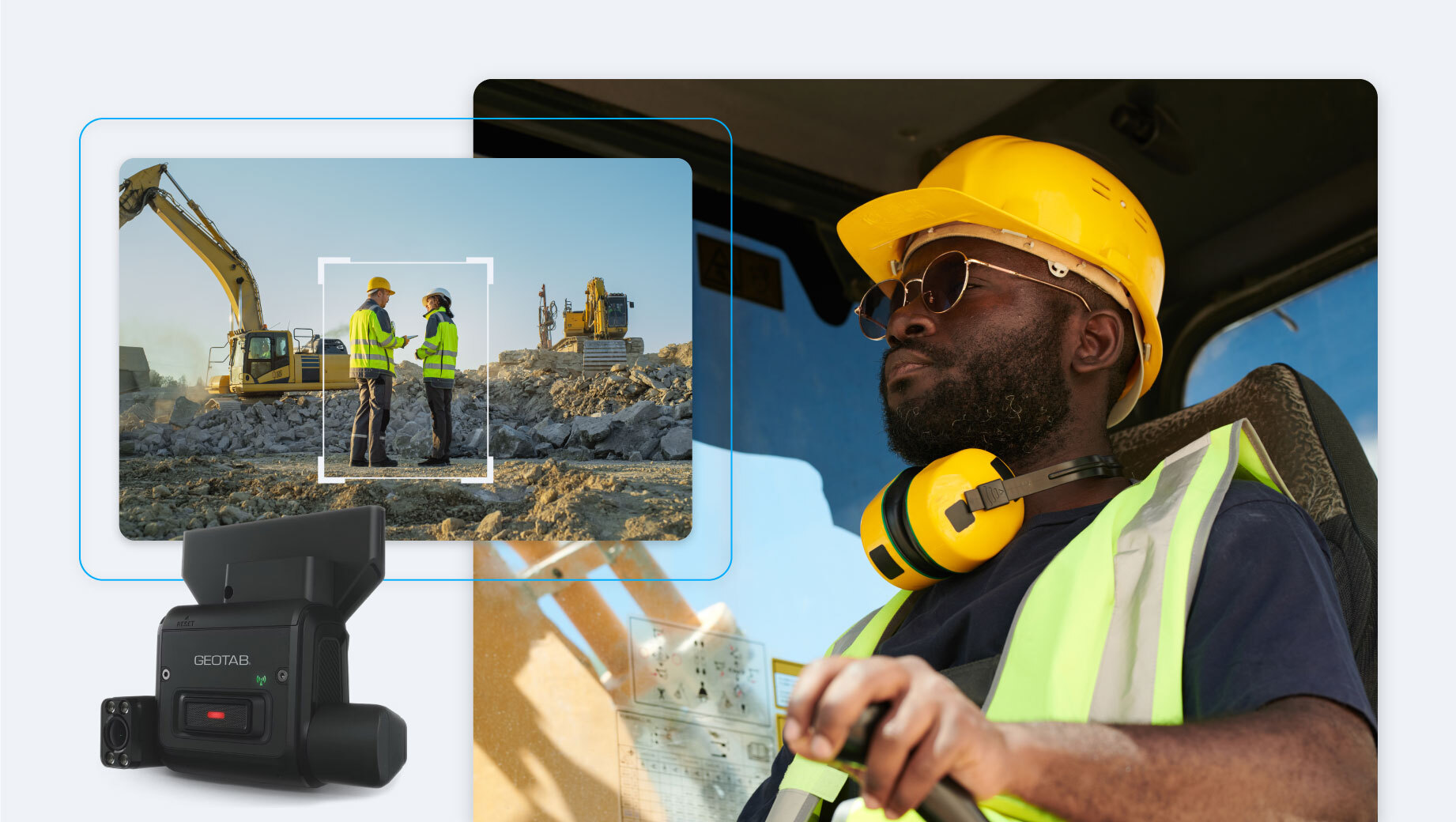
Scorecards track risky behavior and have a direct impact on safety outcomes and equipment wear, which is why in-cab coaching tools and AI dash cams like Geotab GO Focus are so important. Giving operators real-time feedback via video telematics when they engage in risky behaviors can help them course-correct.
Scorecards also help when a tipping hazard occurs, as telematics data provides an objective view of operator behavior, which can be essential in liability claims.
For fleets with on-road trucks, Geotab Drive supports Electronic Logging Device (ELD) compliance and Driver Vehicle Inspection Reports (DVIR) to keep operations on the right side of the Hours of Service regulations.
Leading telematics providers for the construction industry
Construction operations need an open platform that integrates with existing construction ERP and project management software through a published API and that meets data protection standards. Leading telematics companies include:
- Geotab: A widely adopted solution known for its open platform philosophy, extensive Marketplace ecosystem and FedRAMP security certifications. Its open API enables direct data integration with tools such as Viewpoint and other project management platforms.
- Tenna: Specializes in construction-specific asset tracking, focusing on mixed fleets with both powered and non-powered equipment.
- Teletrac Navman: Offers fleet management software with heavy equipment visibility features made for mid-to-large construction operations.
Regardless of the provider you choose, an open API is non-negotiable for any team that needs telematics data to flow into a broader technology stack.
Future trends in construction technology for 2026
Generative AI is reshaping how fleet managers interact with their data by removing the need for manual data analysis and report building.
Tools like Geotab Ace enable the surfacing of actionable insights through natural language queries. You can ask the platform questions and receive clear answers without having to build reports. This is a fundamental shift in making telematics data more accessible and faster to act upon.
The move toward electric heavy equipment is also accelerating. Geotab's Electric Vehicle Suitability Assessment (EVSA) helps fleet managers determine which machines are strong candidates for electrification using actual data, eliminating guesswork. The expansion of 5G has also enabled notable connectivity improvements at remote and rural sites.
These trends demonstrate how construction technology is moving to a state where data is faster, smarter and more actionable than ever.
Better fleet data with Geotab telematics
Telematics in construction is an operational standard — the question is no longer whether to deploy it, but how to get the most out of the data it generates. It is a practical tool that fleet managers are using today to reduce costs, improve safety and keep projects on track. No matter your fleet size, the right telematics technology provides the data you need to make better decisions every day.
Ready to see what telematics can do for your construction fleet? Explore how Geotab Build is reshaping construction fleet management software and connect with a Geotab expert to find the best solution for your operation.
Subscribe to get industry tips and insights
Frequently Asked Questions
Telematics collects and transmits data like GPS location, engine diagnostics and driver behavior from vehicles and equipment. That data is sent to a central platform where telematics managers can monitor performance, manage maintenance and make informed operational decisions.
A transportation management system (TMS) is a software platform that focuses on planning, executing and optimizing freight logistics. Telematics is a hardware-meets-software technology. It collects live data from vehicles and equipment. The two can work together, with telematics data feeding into TMS to improve accuracy and visibility.
Telematics generates measurable cost reductions through fuel savings from reduced idle time, lower maintenance costs from early fault detection, and avoided rental fees from better equipment utilization. For most fleets, these savings outpace the monthly subscription cost within the first few months of deployment.
Yes, universal hardware devices and specialized wiring harnesses enable adding telematics to older machines — even those that predate standard diagnostic port configurations.
Historical telematics data like engine hours, fuel consumption and past project idle time give estimators accurate benchmarks for equipment operating costs. Instead of relying on rough averages, project managers can create bids based on actual performance data.
Providers that use encrypted data transmission protocols and hold recognized security certifications offer a much higher level of protection. Geotab, for example, holds FedRAMP authorization and supports FIPS 140-3 compliance hardware — both of which are government and enterprise IT security requirements.
The Geotab Team write about company news.
Table of Contents
Subscribe to get industry tips and insights
Related posts

Top seven best fleet fuel cards: How to choose the right one for your business?
October 1, 2026
7 minute read


Fleet maintenance software for small business: 8 top tools and guide
September 29, 2026
7 minute read
Best construction fleet management software: Features, platforms and buying tips
September 9, 2026
7 minute read