The size myth: Why intelligence, not inventory, is driving 2026 leasing profits
Fleet reliability is a cornerstone of business success for truck lessors. Explore the hidden costs of downtime and discover actionable strategies to maximize uptime and keep your customers happy.

May 13, 2026
Key Insights
- The High Cost of Downtime: Beyond immediate revenue loss, downtime inflicts long-term damage on brand reputation and customer trust, making reliability a non-negotiable business priority.
- Proactive Performance Monitoring: Success relies on moving beyond reactive fixes to a proactive model that uses real-time monitoring to identify and resolve potential bottlenecks before they impact users.
- Infrastructure as an Investment: High-availability infrastructure is not just an IT expense but a strategic investment that ensures seamless user experiences and provides a competitive edge in a digital-first market.
2026 marks a clear inflection point for the truck leasing industry with robust growth projected to push the global truck rental market to USD 150.92 billion and a CAGR of 7.52% through 2034. While this expansion offers higher revenue potential it also brings tighter margins and mounting pressure to maximize operational efficiency. Customer expectations around fleet uptime are rising rapidly and the cost of falling short is steep: industry data shows that downtime costs fleets between $448 and $760 per vehicle per day, translating into a direct hit on lease revenue.
Against this backdrop, the companies pulling ahead aren’t simply those with the largest fleets or the newest trucks — they’re the lessors with the best operational intelligence and uptime strategies. Predictive maintenance powered by independent telematics is becoming a defining factor. Predictive maintenance can reduce breakdowns by 70%, lower fleet maintenance costs by 25% and boost productivity by another 25%. Large fleets adopting these practices see an ROI in as little as 12-18 months. These measurable gains underscore the critical role data-driven decision-making now plays in separating leaders from laggards in 2026.
This is the uptime advantage — a new competitive differentiator separating forward-thinking market leaders from the rest of the pack. To secure this advantage, leading truck lessors are fundamentally changing how they track, manage and maintain their assets. They are moving away from fragmented, limited data sources and embracing comprehensive fleet health monitoring.
The OEM data silo
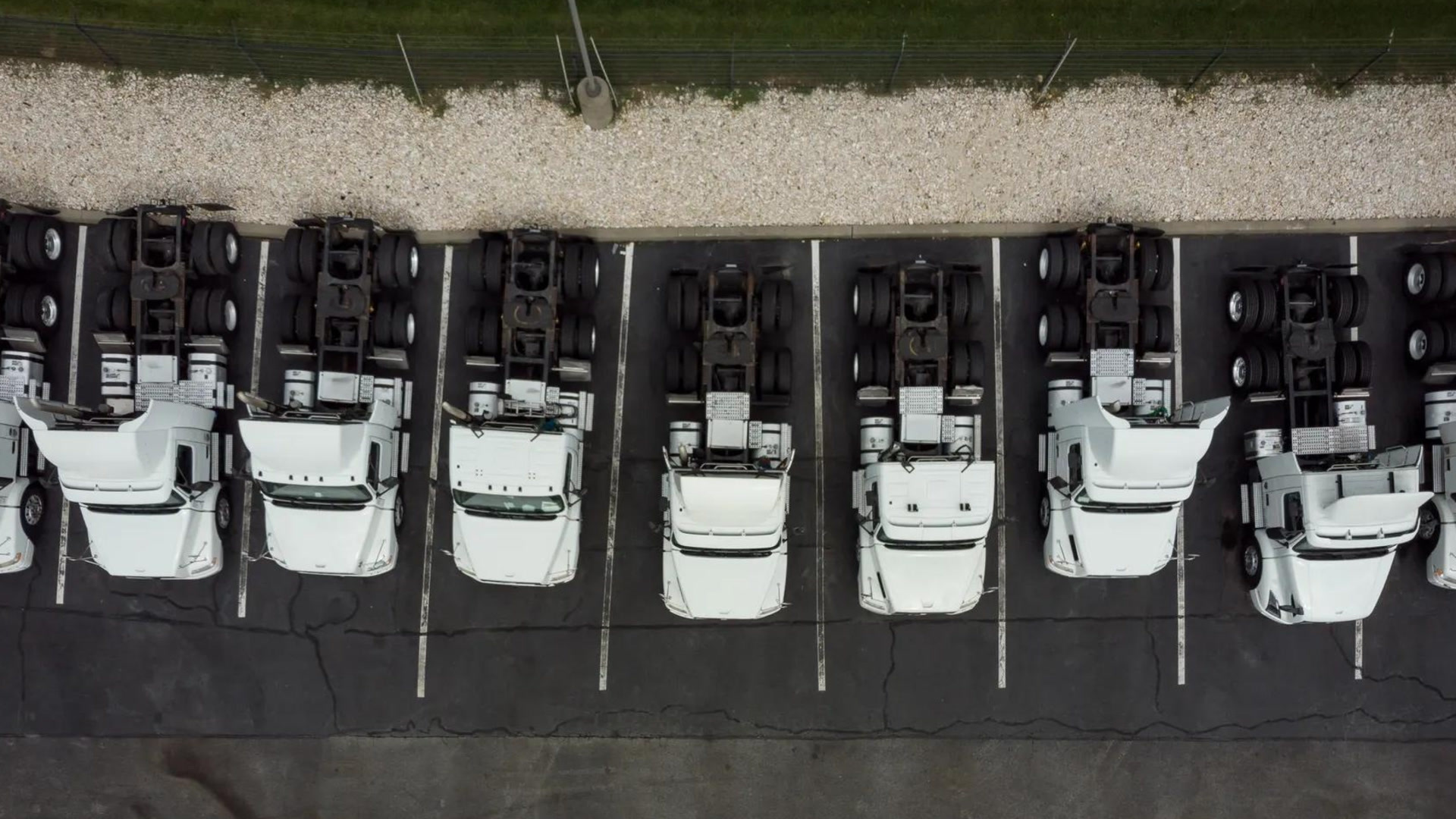
Most truck leasing fleets operate multiple vehicle brands. Yet, OEM-embedded telematics only tell part of the story. OEM portals provide single-brand visibility with no cross-fleet comparison or third-party integrations which is a critical barrier for mixed-fleet lessors. This siloed approach leads to reactive maintenance practices with significant downtime costs and a direct and significant hit to lease revenue. Lacking unified insights, lessors are forced to manage maintenance and utilization with fragmented tools, amplifying risk for avoidable breakdowns and shrinking margins.
Having OEM data silos means logins to multiple portals, limited views and no control over data history when vehicles change hands. With the inability to integrate essential solutions — like dash cameras or collision detection systems — and with maintenance records tied to specific OEM relationships rather than the asset itself, lessors face higher downtime, lowered productivity and lost opportunities to protect residual values.
Proactive health monitoring in action
To outperform the market, you must shift your operational mindset from "knowing something broke" to "knowing something is about to break." This distinction is at the heart of proactive vehicle health monitoring. At the core of this shift is real-time Diagnostic Trouble Code (DTC) data. When you capture and analyze DTC data across your entire fleet you transform predictive maintenance scheduling into a central command center for vehicle health. Instead of waiting for a lessee to call with a broken-down truck on the side of the highway, your maintenance teams can schedule service before a minor fault leads to a serious failure.
Cross-fleet visibility makes this possible. You no longer need a separate login for every OEM in your yard. By combining utilization data and vehicle health data in one place you empower your team to make smart routing and maintenance decisions much faster.
The business case: Uptime, residual value and retention
The financial argument for independent operational intelligence centers on three data-backed metrics: uptime, residual value and customer retention.
Trend report: Balancing rapid market growth with operational excellence
| Trend | Key statistic | Impact on lessors |
|---|---|---|
| Market growth | USD 150.92B in 2026 (7.52% CAGR) | Higher revenue potential, but tighter margins demand efficiency. |
| Downtime cost | $448-$760/day/vehicle | Direct hit to lease revenue; predictive tools mitigate. |
| Predictive ROI | 12-18 months for large fleets; 25% cost savings | Faster payback for uptime-focused strategies. |
| Reliability gains | 70% fewer breakdowns | Better retention and resale values. |
Uptime is directly tied to revenue. Every day a truck is offline for maintenance or unexpected breakdowns the downtime cost represents a significant and immediate reduction in lease revenue.
Residual value is increasingly influenced by the quality of a vehicle’s maintenance record. Well-maintained trucks with proactive independently documented histories consistently command higher resale values, helping lessors combat depreciation and capitalize on strong secondary markets. Top performers, like Shaziman Transport, use telematics data to provide a verifiable history for every asset, directly protecting and maximizing the long-term value of their fleet.
Customer retention has always depended on reliability and uptime, but by 2026, expectations have evolved. Today’s clients not only demand vehicles that stay on the road — they expect full data transparency, proactive predictive maintenance and consistently low downtime as standard elements of their leasing experience. These comprehensive components of the uptime advantage have become essential, not optional. Fleets that deliver on all fronts build lasting trust, combat churn and secure longer, more profitable customer relationships by demonstrating total commitment to operational excellence.
Implementing an independent telematics strategy
How do leading lessors actually escape data silos and secure the uptime advantage? They turn to independent telematics strategies featuring these core requirements and resulting advantages:
| Brand-agnostic hardware | Lessor-controlled data history | Software integrations | A scalable platform |
|---|---|---|---|
| Telematics devices that work seamlessly across all OEM brands in your fleet. This standardizes your data collection and eliminates blind spots. | Vehicle data must follow the asset itself, not the OEM relationship. Ensures you maintain full ownership of your maintenance records from procurement to resale. | Your platform should easily accommodate add-on solutions. Whether you want to add advanced cameras, collision detection systems or digital damage assessment tools, your telematics system must play well with others. | You need a system that grows alongside your fleet without imposing massive switching costs or hardware overhauls as you acquire new vehicle brands. |
Insights in action: The new industry benchmark
Companies like NationaLease set the pace. By utilizing dedicated maintenance centers, real-time DTC reporting and comprehensive fleet utilization reports they ensure their vehicles deliver maximum value to their customers.
“Over the years, the Geotab team and their products have grown with us and our customers in maximizing our efficiency around truck performance, driver management and overall risk management. We are now able to make real-time decisions and drive accountability standards with data we never had before,” says Dean Vicha, President of NationaLease.
Enterprise Fleet Management uses real-world telematics data to inform their long-term strategy. Comprehensive telematics allows them to accurately identify electrification opportunities, uncover millions in potential cost savings and reduce emissions, all while continuing to deliver industry-leading service to their customers. This approach underscores how advanced analytics, unified data and proactive planning are now essential for any fleet operation aiming to maximize efficiency and remain competitive in a rapidly evolving industry.
Secure your competitive edge
The uptime advantage is not about having the newest or the biggest fleet on the lot. It is about knowing the absolute most about the vehicles you already manage. As 2026 raises the bar on customer expectations and demands stricter margin discipline, independent telematics has become the defining capability of market-leading lessors. You cannot afford to let your vehicle data remain trapped in siloed OEM portals.
Take control of your mixed-fleet data and start predicting maintenance before it impacts your bottom line. Learn how Geotab gives truck lessors a powerful cross-fleet uptime advantage and discover the operational intelligence you need to lead the market. Download our comprehensive eBook, Drive truck leasing success with telematics: The fleet manager’s roadmap to profitability.
Subscribe to get industry tips and insights
Christine is the Content Manager for the Commercial sector
Table of Contents
Subscribe to get industry tips and insights
Related posts


Top seven best fleet fuel cards: How to choose the right one for your business?
October 1, 2026
7 minute read


Fleet maintenance software for small business: 8 top tools and guide
September 29, 2026
7 minute read

Four ways to transform garbage fleet efficiency with data and video tools
September 28, 2026
4 minute read