Fleet operations: Key components, benefits and challenges
Fleet operations keep vehicles safe, control costs and help daily workflows run smoothly.

By Geotab Team
Jan 7, 2026
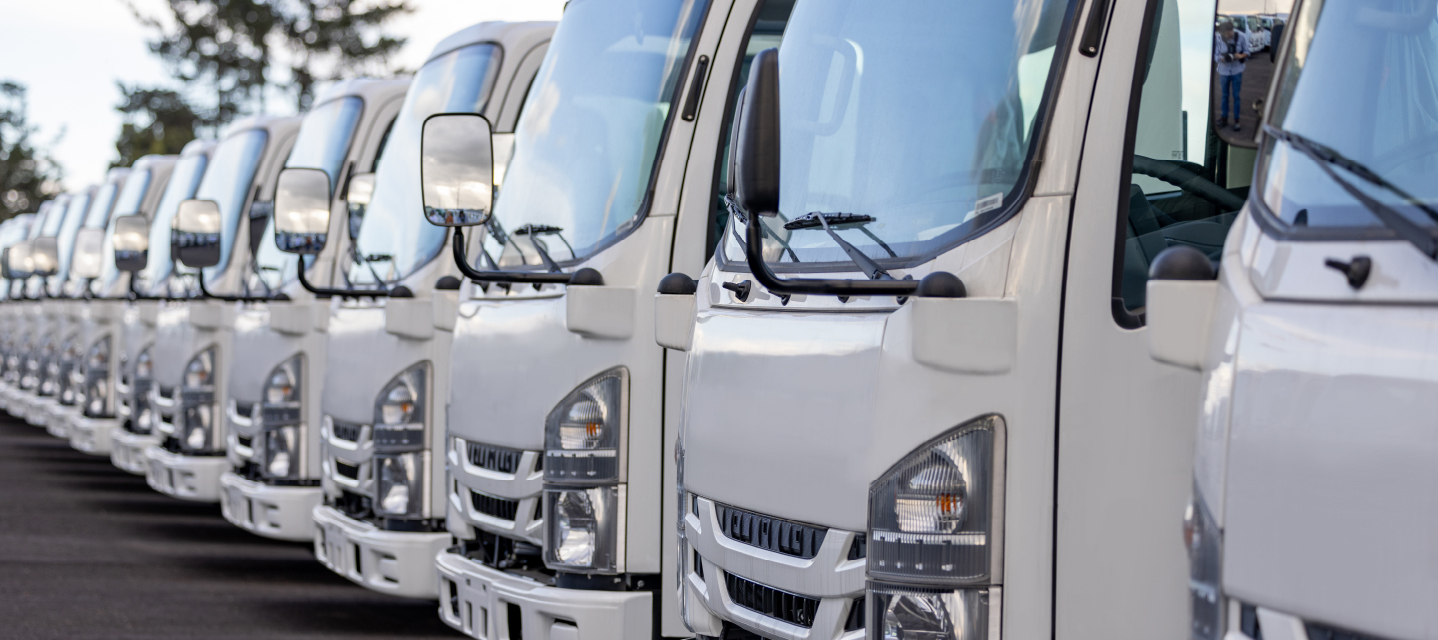
Reliable fleet operations help teams avoid unexpected issues and reduce stress. Clear fleet management processes give fleet leaders the support they need to stay compliant and focus on their drivers.
When supported by telematics, fleets gain clearer visibility into vehicle health, driver behavior and day-to-day performance, which helps them respond faster and operate with more confidence.
In this guide, we break down the key components of fleet operations, the benefits of a connected approach and the challenges fleet leaders face today. You will also learn which tools support better coordination across teams and how to choose software that helps your operation grow.
What are fleet operations?
Fleet operations refer to the coordination of people, processes and technology needed to manage a company’s vehicles safely and efficiently.
This includes everything from daily driver activity to long-term planning and resource allocation. Strong fleet operations give organizations the ability to keep vehicles running reliably while maintaining compliance and reducing risk.
Today’s fleets rely on data to support these responsibilities. For example, connected tools help fleet managers:
- Monitor performance
- Understand how assets are being used
- Identify opportunities to improve
When teams have accurate information and consistent processes at their disposal, they can make decisions that support safer driving, lower costs and more dependable operations.
Key components of fleet operations
Effective fleet operations rely on several core components that work together to keep vehicles and drivers productive. These components include:
Fleet management systems (FMS)
An FMS brings core fleet functions into one platform and gives teams live vehicle insights and daily activity. This supports better planning and helps fleets manage growing demands in truck fleet operations that rely on tight schedules.
Built-in fleet data analytics highlight patterns, such as frequent idle times or repeated maintenance issues, helping teams identify areas where performance can improve.
Driver management
Fleets track behavior, training needs and safety performance to support more consistent driving habits and reduce incident risk.
Vehicle maintenance and lifecycle management also play a major role by helping fleets stay ahead of repairs, manage downtime and plan replacements with accurate data.
Fuel and operating cost tracking
This gives fleets clearer insight into expenses and highlights inefficiencies. Safety and compliance monitoring ties everything together by ensuring vehicles and drivers meet regulatory requirements and follow internal protocols.
When all these components operate together, fleets can maintain reliable performance and adapt to changing conditions with ease.
Benefits of fleet management operations
Strong fleet management operations help organizations work more efficiently and make decisions with greater confidence.
When fleets use connected tools and consistent processes, they gain a clearer view of costs, safety and performance. These insights make it easier to optimize resources and support long-term growth.
Cost savings through data-driven insights
Data-driven fleet management reporting gives leaders the information they need to understand operating costs and spot inefficiencies. With accurate data on fuel use, idling, routing and maintenance, teams can identify the root cause of high expenses and take action before issues grow.
This leads to more predictable budgeting and helps fleets get the most value from their vehicles.
Reporting tools also simplify how teams monitor trends over time. By comparing historical and current performance data, managers can pinpoint changes in performance and adjust strategies early. These insights support more precise planning and help avoid unnecessary spending.
Improved safety and compliance
Well-managed fleet operations strengthen safety by giving teams visibility into insights like:
- Driver behavior
- Vehicle condition
- Regulatory requirements
Telematics highlights unsafe habits, alerts managers to issues that need attention and gives drivers timely feedback that supports safer decisions on the road. This reduces fleet risk and creates a more consistent driving environment.
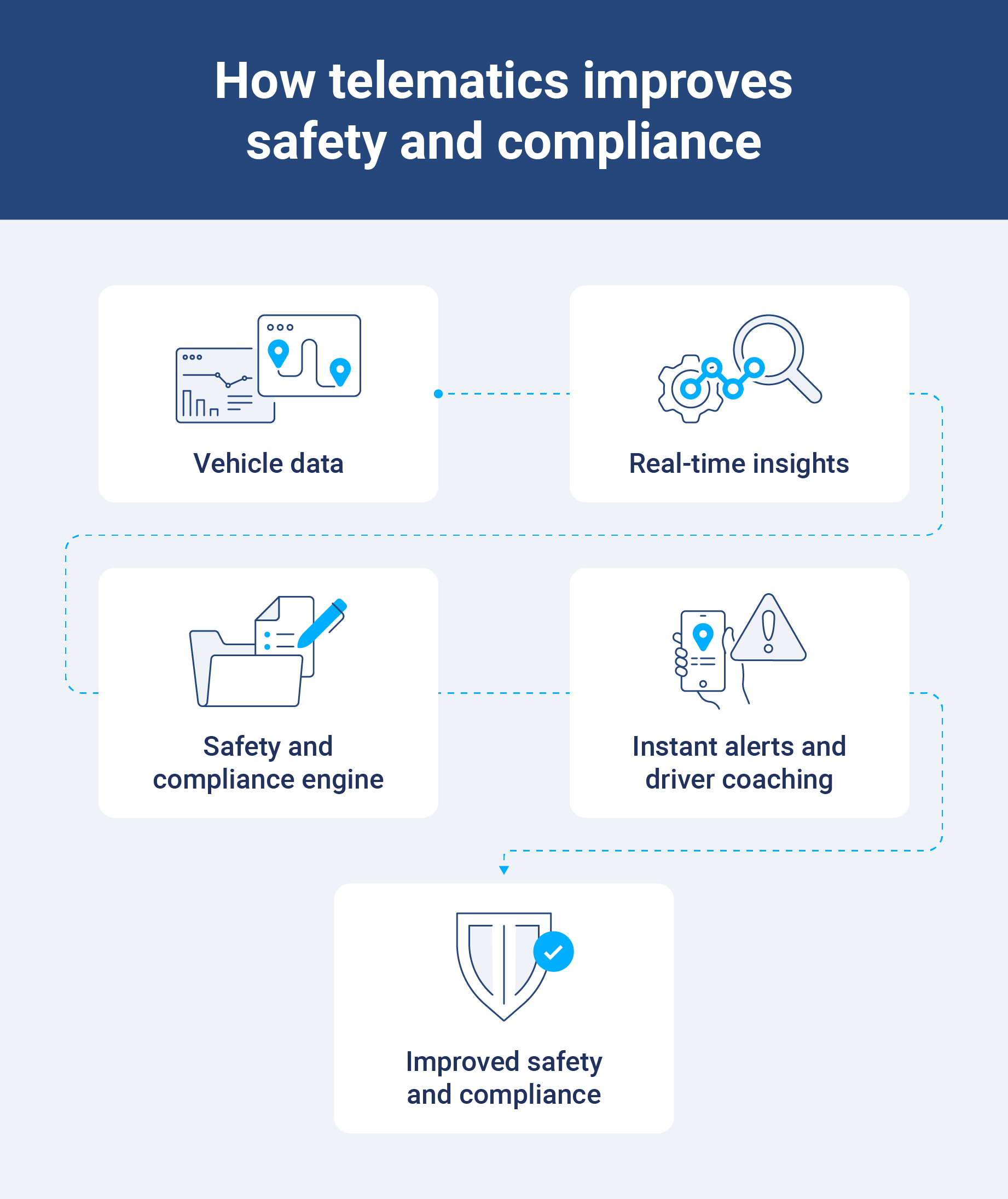
Compliance also becomes easier when fleets have centralized data. Automated logs and maintenance records help teams stay aligned with regulations and reduce administrative workload.
Reduced downtime
Proactive maintenance, reliable scheduling and access to vehicle data help fleets cut unplanned downtime.
These features alert teams to early signs of wear, allowing them to repair issues before they lead to breakdowns. This keeps vehicles available when needed and avoids the disruptions caused by unexpected repairs.
Fleet operations teams can better schedule maintenance when service intervals are based on actual usage rather than estimates, keeping assets in good condition and ensuring repairs are completed on time.
Higher productivity and customer satisfaction
When fleet operations run efficiently, daily workflows move faster and teams can respond to customer needs with fewer delays.
AI in fleet management enhances this process by analyzing large sets of performance data and identifying opportunities to speed up tasks like:
- Routing
- Dispatch
- Scheduling
This improves how quickly fleets deliver services and helps them meet customer expectations more consistently.
Better visibility also supports more reliable communication with customers. When teams understand where their vehicles are and how they are performing, they can provide accurate updates and stronger service.
Tips for effective fleet operations
Improving fleet operations starts with consistent processes and reliable data that help teams make informed decisions. When fleets understand their performance and use the right tools, they can support more predictable operations.
Here are some tips for effective fleet operations:
- Assess current fleet performance: Begin by reviewing how vehicles and drivers are operating today. Examine metrics such as fuel consumption and fleet maintenance history to identify gaps.
- Adopt telematics and connected tools: Telematics provides insight into vehicle location, asset health and driver behavior, giving fleets the information they need to take action quickly. Connected tools also highlight patterns over time, which helps teams plan routes and monitor workloads.
- Train your teams: Consistent training ensures drivers and staff understand expectations and follow established procedures. Standardized processes for inspections and communication make daily operations more predictable and easier to manage.
- Monitor KPIs and adjust strategy: Tracking key performance indicators helps fleets understand whether their strategies are working. Metrics related to fuel, safety, fleet maintenance and productivity show where adjustments may be needed. Regular reviews also help identify trends early so leaders can adapt before issues impact operations.
Drive smarter with connected fleet operations
Connected systems bring your fleet data into one place so teams can see what is happening and respond sooner. With a platform like Geotab, fleets can monitor performance, simplify daily workflows and support stronger decision-making through reliable insights.
To keep improving your fleet operations, explore Geotab’s fleet management solutions or dive deeper into our resources on fleet maintenance and safety. These tools can help you choose the right next step for your organization.
Subscribe to get industry tips and insights
Frequently Asked Questions
A fleet operations lead oversees the daily performance of a company’s vehicles and equipment. Unlike a fleet manager, who focuses on strategy and planning, the operations lead coordinates processes, monitors data and ensures teams meet safety and compliance requirements.
The four pillars of fleet success include:
- Safety
- Productivity
- Compliance
- Cost control
Together, these areas help fleets reduce fleet risk and maintain reliable operations. Strong fleet performance relies on consistent processes and data-driven insights across all four areas.
You can improve route planning by using connected data to analyze trip patterns, identify delays and understand real-world conditions.
Route optimization tools help you balance workloads and plan more efficient travel paths. Regularly reviewing performance metrics also ensures your strategies adapt as conditions change.
Useful driver-focused telematics features include:
- GPS visibility
- Automatic safety event detection
- Behavior analytics
- Dashcams
These tools help managers identify when coaching is needed and give drivers real-time feedback that supports safer habits on the road.
The Geotab Team write about company news.
Table of Contents
Subscribe to get industry tips and insights
Related posts

Beyond the hype: Real AI priorities for field service leaders
March 26, 2026
6 minute read

Unified data: The key to fleet liability reduction for government agencies
March 19, 2026
9 minute read


Building a proactive government fleet safety program with data and AI
March 9, 2026
5 minute read

Building resilient school bus operations through four student transportation trends
February 24, 2026
6 minute read
Telematics trends for 2026: What is changing and how fleets can respond
January 30, 2026
6 minute read