How fleet telematics helps protect police officers and build community trust
Every complaint, every patrol gap and every collision comes with tough questions. Fleet telematics gives police departments data-backed answers.

By Geotab Team
May 11, 2026
Key Insights
- Telematics enables police departments to resolve citizen complaints with objective, verifiable vehicle data instead of conflicting accounts.
- Fleet data can help promote equitable patrol coverage, strengthening trust with community stakeholders and city leadership.
- Accelerometer-based collision detection sends instant alerts to dispatch, improving officer safety and emergency response times.
- Connected fleet data supports budget accountability by enabling departments to right-size vehicles, reduce idling and demonstrate responsible use of taxpayer resources.
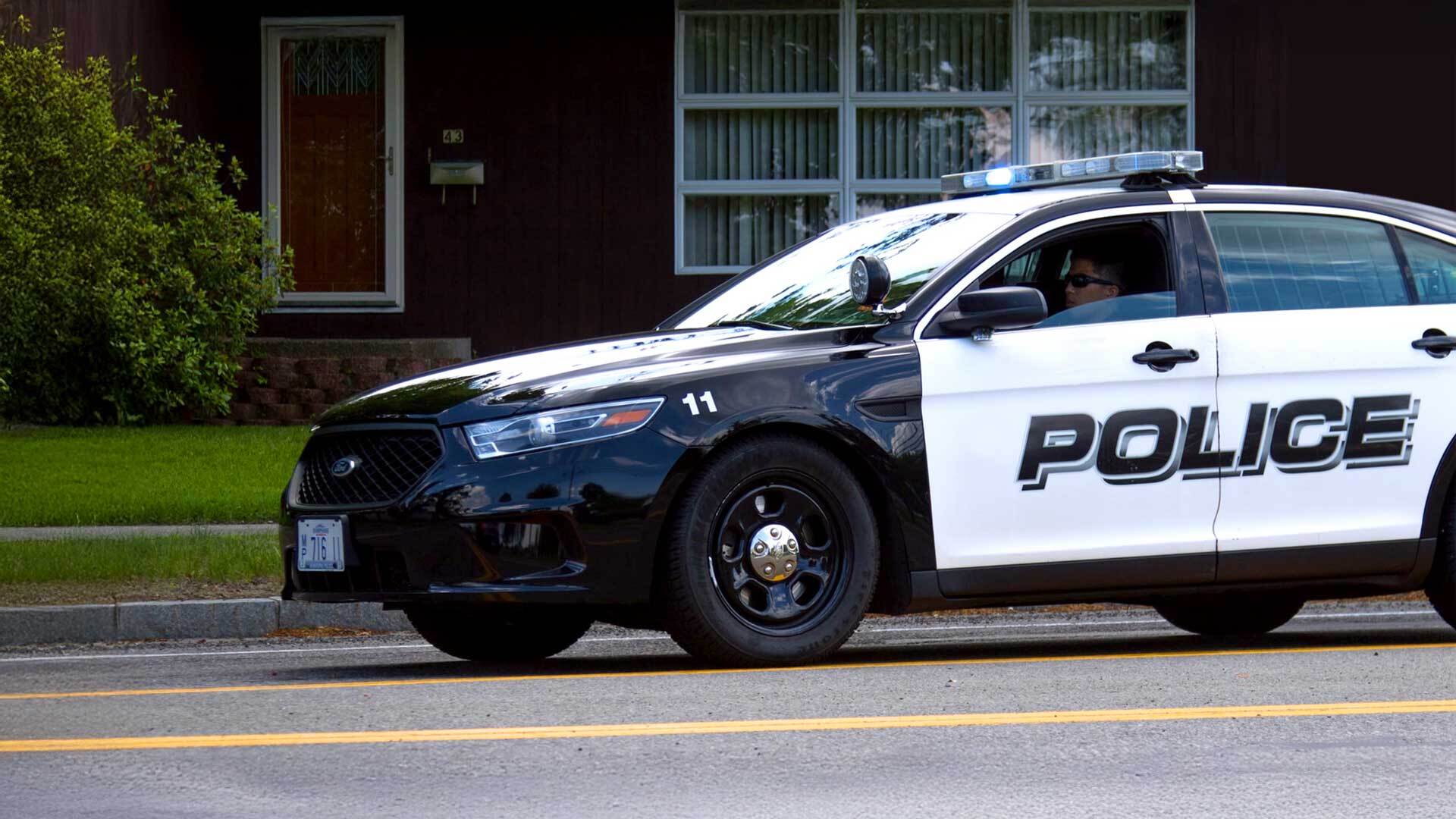
Every shift generates questions that fleet managers struggle to answer without data. A citizen calls to report an officer speeding through a residential street — was the officer responding to a priority call, or is this a pattern that needs correction? A city council member asks why three patrol SUVs sat idle for a full quarter while the department requested funding for replacements. A supervisor needs to know whether a vehicle involved in a minor collision had its emergency lights activated at the time of impact. Without connected fleet data, each of these scenarios relies on secondhand accounts, manual logs and best guesses.
Telematics — the integration of GPS tracking, vehicle diagnostics and real-time data analytics — gives police departments the tools to answer these questions with objective, verifiable evidence. In this post, we explore key takeaways from our latest video and show how public safety agencies are using fleet data to strengthen officer safety, improve operational efficiency and build lasting community trust.
How fleet data helps resolve citizen complaints
When an officer responds to a priority call and drives above the posted speed limit or brakes hard approaching an intersection, the decision is often justified — but without data, there is no way to prove it after the fact. If a citizen later files a complaint, the investigation can become one person's account against another, and even officers who followed protocol may have no objective evidence to back them up.
Telematics changes this dynamic. With vehicle data capturing speed, acceleration, braking events, GPS coordinates and auxiliary inputs — including whether emergency lights and sirens were activated through IOX-AUXM — supervisors can reconstruct a complete picture of what actually happened during an incident. If a complaint is valid, the department can take corrective action quickly. If the data shows the officer acted appropriately, the department can close the case with confidence and share verifiable evidence with the complainant.
This data-driven approach to complaint resolution can reduce the time investigators spend on he-said-she-said disputes and reinforce the department's commitment to accountability.
How fleet data strengthens transparency and accountability
Public trust in law enforcement depends on consistent accountability, responsiveness and a willingness to back up decisions with evidence. Departments that can show (not just tell) the public how their fleet operates are better positioned to build and sustain community confidence.
Fleet telematics provides that proof. Patrol data, trip timestamps, route histories and driving behavior reports create an auditable record that departments can reference during budget reviews, public safety board meetings and community engagement sessions. When questions arise about whether patrol coverage is equitable, whether vehicles are being used responsibly or whether officers are following department driving policies, the data helps with answering those questions objectively.
For police chiefs and public safety directors, this level of visibility also gives leaders data-backed reporting capabilities for city councils and oversight boards. Instead of defending decisions with anecdotal summaries, police chiefs can present dashboards and trend reports grounded in real fleet performance data — evidence that speaks for itself.
How telematics strengthens officer safety after a collision
Vehicle collisions remain a leading cause of line-of-duty injuries. When a collision occurs, the speed of the department's response can mean the difference between a close call and a critical incident.
Telematics systems equipped with accelerometer-based collision detection can send immediate alerts to dispatch and supervisors. This means emergency support can be routed to the exact GPS location of the vehicle, without waiting for an officer to radio in.
Beyond incident response, departments can use historical collision and driving behavior data to identify patterns that contribute to elevated risk and implement targeted training or route adjustments to reduce future incidents.
Proving patrol coverage with verifiable data
One of the most common questions departments face from community stakeholders is whether patrol resources are distributed fairly. Are certain neighborhoods receiving more coverage than others? Are patrol units spending their time where the data says they should?
Telematics enables route analysis and geographic visualization — through built-in reporting and integrations with GIS platforms — that lets departments see exactly where patrol vehicles are spending their time. This verifiable data can be used to optimize patrol strategies, justify resource allocation decisions to city leadership and show community members that coverage decisions are data-informed and defensible.
When departments can back up their patrol strategies with objective geographic data, it strengthens their credibility and reinforces community confidence in how public safety resources are deployed.
Right-sizing fleets and reducing unnecessary idling
Police fleets are expensive to operate and maintain, and taxpayers expect their investment to be used responsibly. Fleet utilization data from telematics gives departments a clear view of which vehicles are being used, how often, and for how long, enabling smarter decisions about fleet size and vehicle replacement cycles.
Idling is another area where telematics delivers quick wins. Many patrol vehicles idle for extended periods during surveillance, paperwork or downtime between calls. While some idling is operationally necessary, telematics data can help departments distinguish necessary idling from waste — and set policies that reduce fuel costs and vehicle wear without compromising operational readiness.
Public sector fleets that actively monitor and manage idling can reduce fuel waste significantly — savings that can go directly back into the department's operating budget.
How AI-enabled telematics helps law enforcement make smarter decisions
The volume of data generated by a connected police fleet is enormous. Without the right tools, the insights buried in that data can go unused. That is where AI and machine learning come in.
AI-powered fleet management platforms can surface critical insights automatically — helping departments predict collision risk, identify vehicle component issues before they cause a breakdown and spot underused assets that inflate fleet costs.
For police departments operating under tight budgets and high public scrutiny, the ability to act on fleet data in near real time is a significant operational advantage.
Building trust through better fleet management
Public safety is a mission built on trust — trust between officers and the communities they serve, trust between departments and the city leaders who fund them and trust in the data that drives daily decisions. Fleet telematics gives police departments the evidence-based foundation they need to strengthen that trust at every level.
Geotab's platform — trusted by more than 3,000 public sector customers, FedRAMP authorized and processing over 100 billion data points daily — is purpose-built for agencies that need this kind of accountability at scale. From resolving citizen complaints with objective vehicle data to demonstrating data-informed patrol coverage, reducing fleet costs and using AI to make smarter operational decisions, Geotab gives law enforcement the tools to back up their mission with evidence the public can trust.
Watch the full video
Watch this video to discover how your department can use fleet data to improve safety, efficiency and public confidence.
Subscribe to get industry tips and insights
Frequently Asked Questions
Fleet telematics creates an objective, auditable record of vehicle activity — including patrol routes, driving behavior and emergency response data. Departments can use this evidence to resolve citizen complaints transparently, demonstrate that patrol coverage decisions are informed by data and report on fleet operations to city councils and oversight boards. When communities can see that decisions are backed by verifiable evidence rather than subjective accounts, trust strengthens over time.
Geotab's connected fleet platform provides utilization data that shows which vehicles are being used, how often and for how long — making it easier to right-size the fleet and avoid maintaining vehicles the department does not need. Telematics data also identifies unnecessary idling, enabling departments to set policies that reduce fuel waste and vehicle wear. With AI-powered analytics, agencies can predict maintenance needs before breakdowns occur, avoiding costly emergency repairs and extending vehicle lifecycles.
Data-driven policing means using connected fleet data — GPS locations, trip histories, driving behavior reports and diagnostic alerts — to inform daily operational decisions rather than relying on manual logs or anecdotal evidence. This approach helps departments maintain accountability by creating a verifiable record of how taxpayer-funded resources are used. Supervisors can identify trends, flag exceptions and generate reports that demonstrate responsible fleet management to city leadership and the public.
The Geotab Team write about company news.
Table of Contents
- How fleet data helps resolve citizen complaints
- How fleet data strengthens transparency and accountability
- How telematics strengthens officer safety after a collision
- Proving patrol coverage with verifiable data
- Right-sizing fleets and reducing unnecessary idling
- How AI-enabled telematics helps law enforcement make smarter decisions
- Building trust through better fleet management
Subscribe to get industry tips and insights
Related posts
How private haulers can help prepare their fleets for new waste management contracts
October 23, 2026
4 minute read

Top seven best fleet fuel cards: How to choose the right one for your business?
October 1, 2026
7 minute read
Four ways to transform garbage fleet efficiency with data and video tools
September 28, 2026
4 minute read
Why the OEM versus device-level telematics debate misses the point for mixed-fleet operators
September 25, 2026
2 minute read