Snow plow safety: focus on the moments that matter
Snow plow safety takes more than basic cameras. Discover how your public works fleet can use smarter video tools to help protect drivers, vehicles and community trust.

By Nicki Schill
Oct 6, 2026
Key Insights
- Snow plow crews face risks on every front: long storm shifts behind the wheel of heavy equipment, tight working conditions near traffic and fixed hazards and public scrutiny when something goes wrong. Focused video review matters more than extra footage for snow plow safety.
- In-cab coaching helps operators self-correct in real time, before a risky moment turns into an incident, a complaint or a claim.
- When video and telematics context live in one place, public works teams can respond to collisions, citizen complaints and liability questions with confidence.
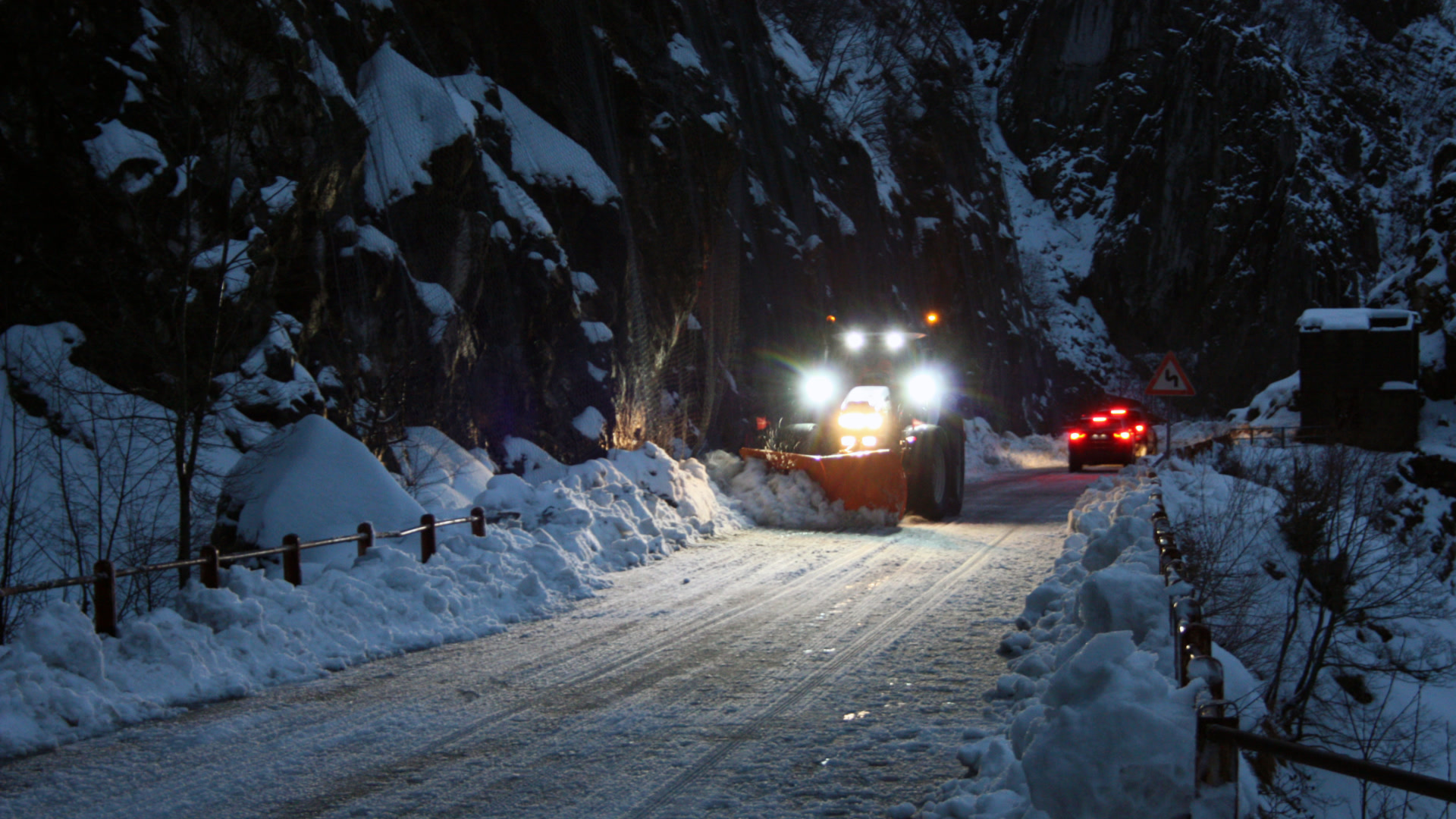
A harsh winter storm can keep road maintenance teams behind the wheel for hours, working through slick roads and stretches of pavement that all look the same. During those shifts, snow plow safety may come down to a handful of critical moments, like a glance at a phone, a sip of coffee at the wrong time or a following distance that closes too much.
These moments in the cab can put both your team and the public at risk. And in addition to protecting people, your department must also meet its Levels of Service (LOS) and Minimum Maintenance Standards (MMS). Video adds context if an incident happens, and operational records help you document your work against those requirements. But recording operations throughout an entire storm can leave you with hours of video, making it important to have tools that coach drivers in the moment and help your team quickly find events that need a closer look. That's focus over footage, and it's the idea behind Geotab's unified video approach.
The pressure behind snow plow safety
Plows often work in close quarters with moving traffic, pedestrians and fixed hazards like guardrails, hydrants and parked vehicles, sometimes in poor visibility. Long routes, early starts and overnight shifts can add fatigue and distraction to the mix. That’s why snow plow driver safety deserves its own strategy.
A natural response might be to add more cameras and more alerts. But extra notifications can compete for your drivers’ attention, and operators who field excessive or unnecessary alerts could start tuning them out.
Coaching that keeps drivers focused in the cab
The best incident is the one that never happens, and that's where timely, reliable in-cab coaching comes in. With Geotab's GO Focus Plus, drivers get instant voice alerts when behaviors like tailgating, harsh braking or eating are detected behind the wheel. When plow operators on icy roads get prompts in the moment, they have more time to correct before a small lapse turns into a collision, a complaint or a claim.
Long-tenured or unionized crews may also be wary of being watched, so it helps to be direct: coaching exists to support drivers. For departments that want real-time coaching without a camera pointed at the driver, GO Focus Plus Road-Only has no driver-facing lens and still provides alerts for hazardous behaviors like tailgating or swerving.
Review the moments that matter first
While in-cab coaching can help reduce risk, the events that still happen need a fast, fair review. Snow plow cameras record a great deal during a storm, so your team needs a way to know where to look first. Smart Sequence™ pulls out the most critical moment in each clip, so your team can see what happened without having to scrub through irrelevant footage. Magnitude Ranking works alongside it, scoring events by severity so the highest-risk moments surface first for review.
But safety-event review is one half of the picture. The other half is the operational record: where each plow went, which routes were completed and how much material went down. The Geotab Public Works solution brings that record together, including integrations with spreader controllers, so your team can show what service was performed alongside what happened on the road. The operational record helps document your service delivery, and prioritized video review adds the context if something goes wrong.
For your public works department, the payoff of a streamlined review process goes beyond time saved. During peak operations, such as a storm event where every available hour matters, a manager who isn't buried in footage can stay focused on running the response rather than catching up on review afterward. That kind of focus also supports the trust your department has built with the community. Residents notice when service is consistent and when concerns are addressed quickly.
How coaching, video and data work together
Each piece plays a role in one connected workflow:
- In-cab coaching prompts the driver in the moment, giving them more time to respond before an incident occurs.
- When an event does trigger, video captures it alongside telematics data like speed, location and direction of travel.
- Smart Sequence highlights the key moment and Magnitude Ranking sorts events by severity.
- Managers review the highest-risk events first, then follow up with a coaching conversation or, when needed, respond to a complaint or claim with the full picture.
Each step feeds the next. Better coaching can result in fewer serious events, and fewer serious events mean a shorter, sharper review list.
Stand behind your drivers and your department
Even well-coached crews get calls. A resident reports that a plow clipped a mailbox, or a claim arrives from a stormy night. Video paired with telematics data shows what led up to the moment, and operational records fill in the rest of the story: when the route was serviced, how often and to what standard. Together, they help your department respond to a complaint or claim with records that demonstrate your service to the community. That promotes public works compliance, protects operators from unfair blame and safeguards your credibility with residents and council.
Focus is the real snow plow safety upgrade
The storm ends and the roads clear. What happens next is where a safety program either builds momentum or resets to zero. The events your team reviewed and coached on this week become material for your next pre-season meeting, where a real example from your own streets teaches more than any generic training slide. After a winter or two, that habit shapes how your operators drive and how your managers spend their time.
Steady, visible attention to safety is what residents remember. When a plow shows up quickly and a concern gets a straight answer, your community sees a department that looks out for its people and its neighbors. That's the trust worth protecting, and it gets built one storm at a time.
Ready to give your crews and your review team a clearer view of winter operations? Read our ebook to see how Geotab's unified video and safety approach works in practice.
Subscribe to get industry tips and insights
Frequently Asked Questions
Public works vehicles face a mix of risks tied to their operating environments: collisions with fixed objects such as guardrails or hydrants, backing incidents, close calls with pedestrians and cyclists and weather-related events such as slide-outs during winter storms. Snow plow safety in particular depends on visibility, following distance and driver alertness during long or overnight shifts.
In-cab coaching gives operators a voice prompt right when it counts, so they can adjust on their own without waiting for a conversation with a supervisor. That keeps the emphasis on helping drivers improve. For departments that prioritize driver privacy, Geotab also offers a road-only camera option that delivers ADAS-based coaching, supporting snow plow driver safety without in-cab video.
Yes. Video paired with telematics data gives departments the context to understand what happened, and operational records from Geotab’s Public Works solution help show what service was performed and when. Together, they support public works compliance and fair resolution of complaints and claims. They can also show that a driver wasn't at fault, helping protect both the operator and the department's reputation.
Video intelligence keeps its attention on driver and public safety. Winter operations also call for tools built for materials management, like tracking salt, brine and sand usage across a season, and for route management. Geotab's post on analyzing materials usage shows how departments can use that data to plan smarter for the next winter. Strong public works safety and dependable service delivery go hand in hand, and residents notice both.
Nicki Schill is a Marketing Manager, Public Sector Communications for Geotab.
Table of Contents
Subscribe to get industry tips and insights
Related posts
How private haulers can help prepare their fleets for new waste management contracts
October 23, 2026
4 minute read
Top seven best fleet fuel cards: How to choose the right one for your business?
October 1, 2026
7 minute read
Four ways to transform garbage fleet efficiency with data and video tools
September 28, 2026
4 minute read

6 benefits of an open, AI-powered fleet data platform
September 17, 2026
8 minute read

Field service GPS fleet tracking: what mid-market fleet managers need to know
September 15, 2026
4 minute read