A new world in off-road data
Most fleet platforms read construction equipment the same way they read highway trucks. For excavators, scissor lifts and telehandlers, that shortcut is expensive

Jun 25, 2026

Key Insights
- Most fleet platforms apply on-road logic to off-road assets, producing utilization errors as high as 90% for machine types like excavators, scissor lifts and telehandlers
- Accurate construction equipment tracking requires machine-specific data models: a scissor lift working with the engine off looks idle to most platforms, putting a $1.5M gap into a $10M capital plan
- When the data foundation is right, construction fleet executives can redeploy assets, plan capital and schedule maintenance without reconciling reports or second-guessing the numbers
Tracking construction equipment has never been more complex. A single project might involve dozens of machine types from half a dozen OEMs, spread across multiple jobsites. Teams need to make capital and operational calls faster than ever before. Meanwhile, the financial stakes have climbed. Margins are tighter. Asset costs are higher. Investors and ownership groups are asking harder questions about utilization, lifecycle costs and return on deployed capital.
Most fleet management platforms weren't built for this environment. And the gap between what today's construction executives need from their data and what their platforms actually deliver is real. For some machine types, the margin of error on utilization runs as high as 90% — logging a working scissor lift as idle or an idle excavator as productive.
But technology is catching up to needs. A new generation of off-road construction telematics capability is here and it's built around how construction equipment actually works, not adapted from how highway trucks behave. For the fleet leaders at the head of the curve, the operational and financial implications are significant. For those who don't, the gap keeps compounding.
Off-road data has always played by different rules
Off-road equipment has always generated plenty of data, but construction equipment tracking platforms have never been able to effectively interpret it until recently.
A scissor lift, a telehandler and an excavator all produce streams of operational signals during every shift. But those signals are proprietary, manufacturer-specific and structurally different from anything an on-road vehicle produces. Two scissor lifts performing the same task on the same jobsite can generate entirely different outputs. Different units, different protocols, different definitions of what working looks like at the data layer.
Most fleet platforms handle this by treating off-road assets the same way they treat trucks: engine on equals productive time. It's a logical shortcut for a platform built around highway vehicles, but on a construction site, it produces results that look right on a dashboard while quietly generating decisions that are off. The signals exist. The problem is what the platform does with them.
This isn't a new problem. What's new are the solutions engineered from the ground up, with machine-specific logic and information architecture built around how off-road assets actually work, not adapted from on-road logic. The difference between a scissor lift that's elevated and loaded versus one sitting with the engine running is the kind of distinction that gets lost in a system not built to ask the right questions. That distinction, multiplied across a mixed fleet, is where the financial gap either narrows or widens.
A scissor lift that's elevated and loaded is working. One sitting with the engine running is not. Most platforms can't tell the difference. If your construction equipment tracking system is misreporting off-road asset utilization by, say an average of 15%, that could be costing you $1.5M in lost productivity on a $10M fleet.
What true productivity actually looks like in practice
Here's a scenario most construction fleet management teams will recognize. A telehandler logs six hours of engine runtime. The platform marks it as utilized. A week later, a project manager reviewing timesheets notices the machine was idle for more than half those hours: engine on, boom stationary, no load on the forks. The utilization number was technically accurate, but the interpretation was wrong.
Every machine type needs its own measuring stick
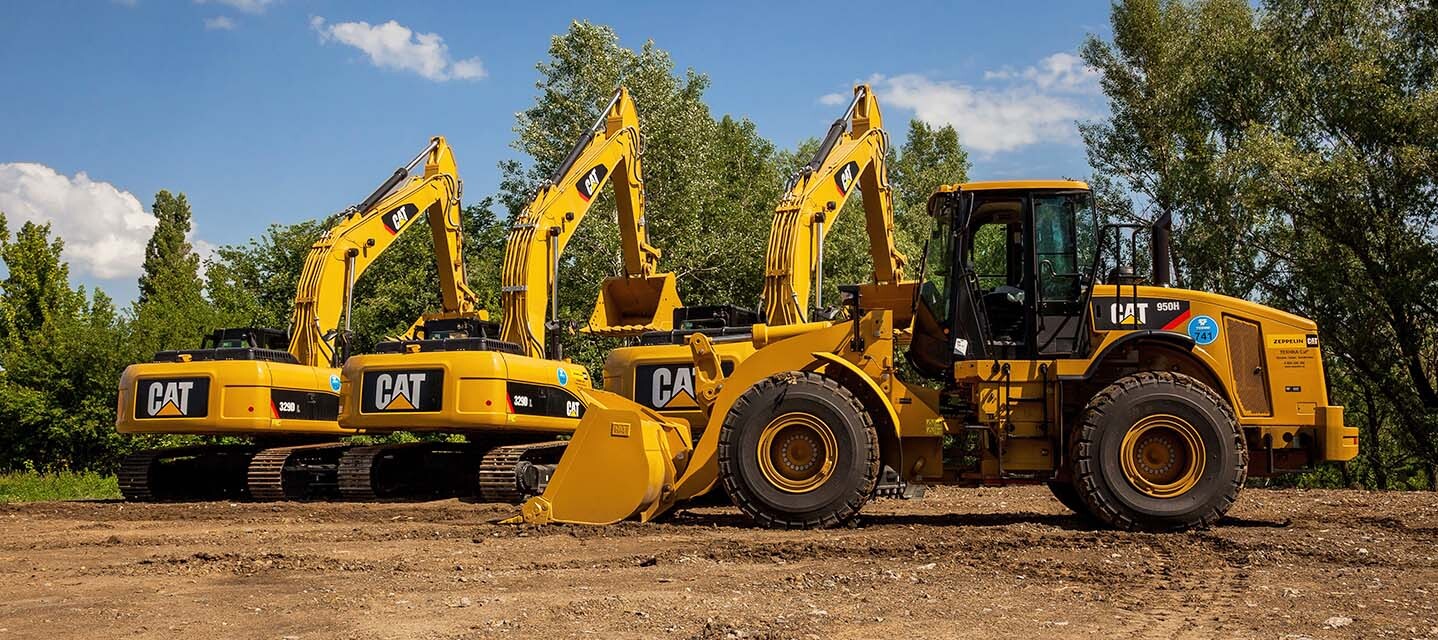
For a telehandler, productivity means the fork is loaded and materials are moving. For an RT scissor lift, the engine might be off for most of a shift while the platform is elevated and workers are active overhead. A machine that looks idle by powertrain logic is actually doing exactly what it was deployed to do. For an excavator, engine load percentage means something entirely different than it does on a haul truck.
When a platform interprets each machine type through its own lens, capturing the right signals and applying the right logic, the picture that emerges is fundamentally different. Utilization numbers become credible. Assets that looked productive turn out to be underused. Assets that appeared idle turn out to be carrying the jobsite. The data stops being something teams validate by walking the jobsite and starts being something they can act on directly from the platform.
For executives managing capital-intensive fleets, the difference is not academic. At that scale, every capital allocation decision is built on a foundation with an error baked in.
What unified construction equipment tracking looks like when the foundation is right
Accurate machine-level data solves one part of the problem. But many mid-to-large construction fleets compound it by running on-road and off-road assets through separate platforms — maintenance data in a third system, financial reporting downstream of all of them. Every decision triggers a reconciliation cycle: pulling reports, resolving discrepancies and making assumptions about why the numbers don't match.
Unifying that data is the obvious fix, but the sequence matters. Without machine normalization first, centralizing data doesn't solve the problem; it puts the errors in one place and makes them easier to act on incorrectly at scale.
The right order: machine-specific logic comes first. Signals normalized, proprietary protocols decoded, each asset type measured by the work it actually performs. Then unification delivers something real.
What a unified operating picture actually enables
When the foundation is right, an operations manager can pull up one map and see a service truck routing to a stranded excavator in real time, with no custom integration required. Both assets are in the same platform, described in the same language. Rental companies can flag out-of-contract use automatically.
For fleets running Komatsu excavators alongside John Deere scrapers and Cat haul trucks, mixed-fleet telematics systems are the difference between one operating picture and three. OEMs gain field data that sharpens product development and parts forecasting.
The result is a coherent operating picture that teams can coordinate from, not just more assets on a screen.
Data you can build a construction asset management strategy on
Hesitation is one of the most underrated costs in heavy equipment fleet management. When executives don't trust their data, decisions slow down. Asset redeployment that should take hours takes days. Maintenance gets deferred because no one can tell if the fault data reflects a real problem or a platform misread. Capital plans get built on estimates the platform can't validate.
When the data is right, decision velocity changes
An ops lead can redeploy an underutilized machine to a higher-priority site without a manual audit first. A CFO can enter a capital planning cycle with fleet utilization data that withstands scrutiny. A rental company can align service intervals to actual mechanical wear, not default calendar schedules, and extend asset lifecycle without guesswork.
This is the practical value of getting data collection right. The payoff is the organizational confidence based on decision-grade data. In a market where faster, better decisions compound over time into real competitive differentiation, that confidence is the asset.
The signals exist. Geotab Build reads them.
The problem has never been what data off-road assets produce — it's what platforms do with those signals. That distinction is where the financial gap either closes or compounds.
Geotab Build is engineered to close the gap. Built from the ground up for construction fleets — not adapted from on-road logic — it reads what most platforms miss: boom position on a telehandler, platform load on a scissor lift, engine load percentage on an excavator.
To quantify what inaccurate fleet data costs at your scale, download The data trust gap: The cost of inferred off-road data.
Subscribe to get industry tips and insights
Frequently Asked Questions
Construction equipment tracking uses telematics devices to monitor the location, utilization and operational status of off-road assets like excavators, telehandlers and scissor lifts. Unlike on-road vehicle tracking, effective construction equipment tracking requires machine-specific data models that interpret proprietary OEM signals — not just engine runtime — to accurately measure whether an asset is productive.
GPS tracking for construction equipment shows where your assets are, but it can't tell you what they are doing. A telehandler parked with the engine running looks identical to one actively moving materials. Construction fleets need data that captures machine-specific signals — boom position, load status, engine load percentage — to distinguish productive time from idle time. Without that layer, utilization figures are unreliable and capital decisions built on them carry hidden risk.
Significant. A 15% misread rate across a mixed fleet puts a $1.5M gap into a $10M capital plan. When platforms apply on-road logic to off-road assets, utilization errors can reach 90% for certain machine types. Those errors flow directly into asset redeployment decisions, maintenance scheduling and capital expenditure planning, compounding over time into real financial exposure.
Unified fleet data means on-road vehicles and off-road equipment are managed through a single platform, described in the same data language. But unification only delivers value when the underlying data is accurate. If machine-specific interpretation is wrong, centralizing it just makes errors easier to act on at scale. The right sequence is machine-level accuracy first, then a unified operating picture across the full fleet.
Senior Data Scientist
Table of Contents
Subscribe to get industry tips and insights
Related posts

How fleet data gets you from what happened to what to do next
October 27, 2026
4 minute read

Unlocking more jobs per day: How smart dispatch management improves tech performance
October 13, 2026
3 minute read

Field service GPS fleet tracking: what mid-market fleet managers need to know
September 15, 2026
4 minute read
Best construction fleet management software: Features, platforms and buying tips
September 9, 2026
7 minute read
How video telematics helps drivers trust the safety program
August 27, 2026
4 minute read