The safest mile in field service is the one nobody drives
The dispatch decisions your team makes every day have safety implications that rarely get tracked. Learn how eliminating unnecessary driving is a valuable safety strategy.

By Geotab Team
Jul 22, 2026
Key Insights
- Every routing decision dispatchers make is also a safety decision. Most field service fleet safety programs never account for it.
- Unnecessary miles create safety exposure. The more time technicians spend on the road, the more opportunity they have to experience conditions that lead to near misses and collisions.
- Route optimization reduces total fleet mileage by 15-30%, cutting both unnecessary miles and the safety exposure they create, while opening capacity for more jobs per technician.
Ask a fleet manager about their safety strategy and you’ll likely hear about all the things they’re doing to influence technician driving behavior. Driver scorecards, dash cams and targeted coaching can effectively reduce incidents. But these tools all address risk after the vehicle is already on the road. A more fundamental strategy rarely enters the conversation: reducing unnecessary miles from the start.
In field service, fleet operations personnel make the dispatch decisions that determine total mileage driven. They see unnecessary driving miles show up as rising fuel costs and scheduling chaos. What’s less obvious is that every dispatched vehicle also creates safety exposure.
When you consider how fleet safety is measured, the value of reducing unnecessary miles is hard to ignore. The more time technicians spend on the road, the more opportunity they have to experience the conditions that lead to near misses and collisions. Despite this obvious fact, “drive safe” continues to dominate the conversation while “drive less” seldom comes up. In field service, every dispatched vehicle is also a customer interaction, which is exactly what makes reducing unnecessary miles worth paying attention to.
Reduce unnecessary miles to reduce exposure
Raw collision totals don’t provide an accurate view of fleet safety. A field service organization operating 100 vehicles across multiple territories will naturally experience more exposure events than a fleet operating 35 local service vehicles. This is why fleet safety is typically measured as incidents per 100,000 miles driven. Mileage helps normalize incident rates based on how much driving a fleet does.
What are exposure hours?
Exposure hours are the total time fleet vehicles spend on the road. The more hours logged, the greater the opportunity for an incident through traffic, weather, fatigue or distraction.
Traditional fleet safety programs focus on keeping the incidents low while the miles driven stays fixed. If teams observe the number of incidents increasing, they naturally turn up the dial on safety interventions, like driver coaching. Reducing total mileage as a safety lever rarely features in how fleet safety programs are designed, but here are just some of the ways to think about it:
- Fewer hours spent navigating heavy traffic or driving in severe weather
- Fewer intersections crossed and left turns made in busy traffic
- Fewer opportunities for technician distraction or fatigue to set in
- Fewer technicians rushing across town to recover lost time in their schedules
Geotab’s routing solution reduces total fleet mileage by 15-30% for field service fleets, and because safety is measured as incidents per 100,000 miles driven, fewer miles means a measurably lower exposure rate, regardless of driver behavior.
Every dispatched vehicle is an exposure event
Dispatch decisions in field service can either increase or reduce safety exposure, including which technicians are sent to calls, where those calls are located and how routes are structured overall.

- What’s the risk? Two fleet vans are doing what could have been achieved by one. This increases overall exposure.
- What’s the fix? Consolidate the calls into a single route and eliminate an unnecessary trip.
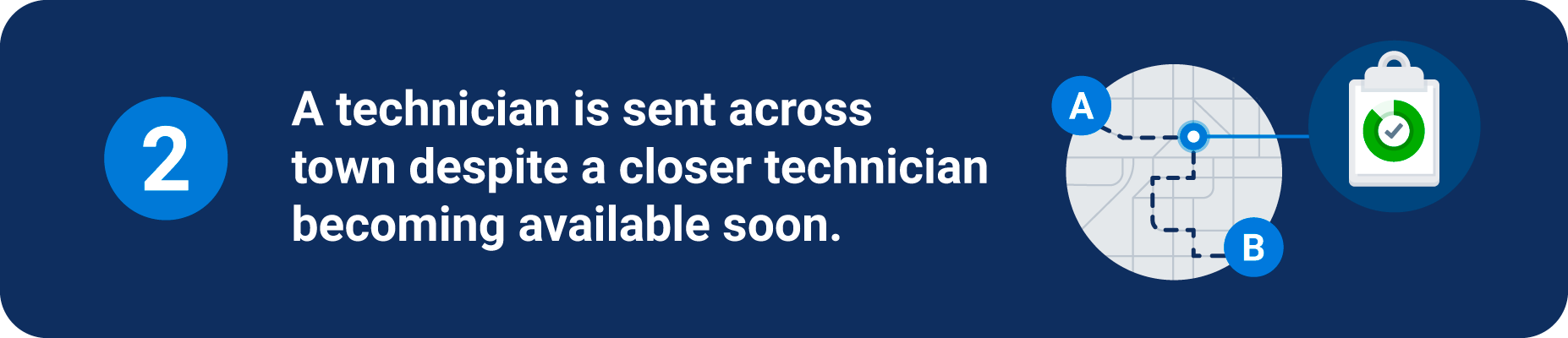
- What’s the risk? The technician spends time navigating traffic, crossing busy intersections and recovering lost time later in the day.
- What’s the fix? Optimize schedules around geography and technician proximity to reduce unnecessary miles.

- What’s the risk? A separate low-priority dispatch creates an exposure event that may not have been necessary that day.
- What’s the fix? Batch the call with work scheduled for the next day in the same area and eliminate a standalone trip.
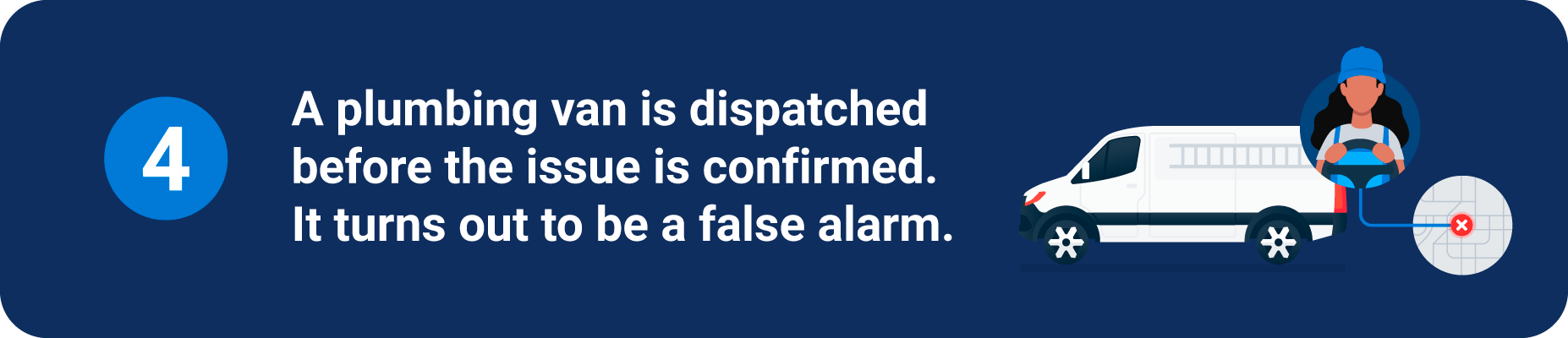
- What’s the risk? The technician logged miles on the road responding to a service call that never required dispatch in the first place.
- What’s the fix? Confirm the issue remotely before dispatching the vehicle. The safest exposure event is often the one that never occurs.
These dispatch decisions often go untracked by fleet safety managers. Yet the consequences of these routing decisions can still show up on incident reports.
Make routing both a safety and revenue decision
The four scenarios above aren't edge cases. They're the daily default in most field service operations. Route optimization reduces total fleet exposure by eliminating unnecessary trips, and the operational impact extends further than safety alone. Fewer unnecessary dispatches means more available capacity and more capacity means more revenue per technician per day.
Use Geotab's routing ROI calculator to see how many miles — and how much revenue — your current routing decisions are leaving on the table.
Subscribe to get industry tips and insights
Frequently Asked Questions
Every mile a vehicle spends on the road is an exposure event. Route optimization reduces total mileage by clustering jobs geographically, eliminating unnecessary dispatches and consolidating standalone trips. Fewer miles means fewer exposure events, regardless of driver behavior.
Fleet safety exposure refers to the total time and distance vehicles spend on the road. Because larger fleets naturally log more miles and more incidents, safety is typically measured as incidents per 100,000 miles driven rather than raw collision totals. Reducing mileage directly improves this rate.
Driver safety programs address risk after the vehicle is already on the road. Route optimization addresses risk upstream by reducing the total number of miles driven. Most field service organizations invest heavily in the former and overlook the latter.
Four common patterns: sending two technicians to the same area for calls that could be consolidated; dispatching a technician across town when a closer resource is available; sending a vehicle for a non-urgent call that could be batched with nearby work; and dispatching before a service issue is confirmed on-site.
Geotab Routing and Optimization identifies average mileage reductions of 15-30% for field service fleets through geographic job clustering, elimination of cross-territory dispatches and consolidation of standalone trips.
The Geotab Team write about company news.
Table of Contents
Subscribe to get industry tips and insights
Related posts


Top seven best fleet fuel cards: How to choose the right one for your business?
October 1, 2026
7 minute read


Fleet maintenance software for small business: 8 top tools and guide
September 29, 2026
7 minute read

Lone worker safety for utility fleets: A checklist for the sites beyond cellular reach
August 24, 2026
3 minute read
Three steps to help defend your waste fleet against garbage truck collision claims
August 18, 2026
3 minute read